What Is The Best Month To Visit Berat?
The best month to visit Berat, Albania: a month-by-month look at weather, crowds, festivals and river conditions in the City of a Thousand Windows.
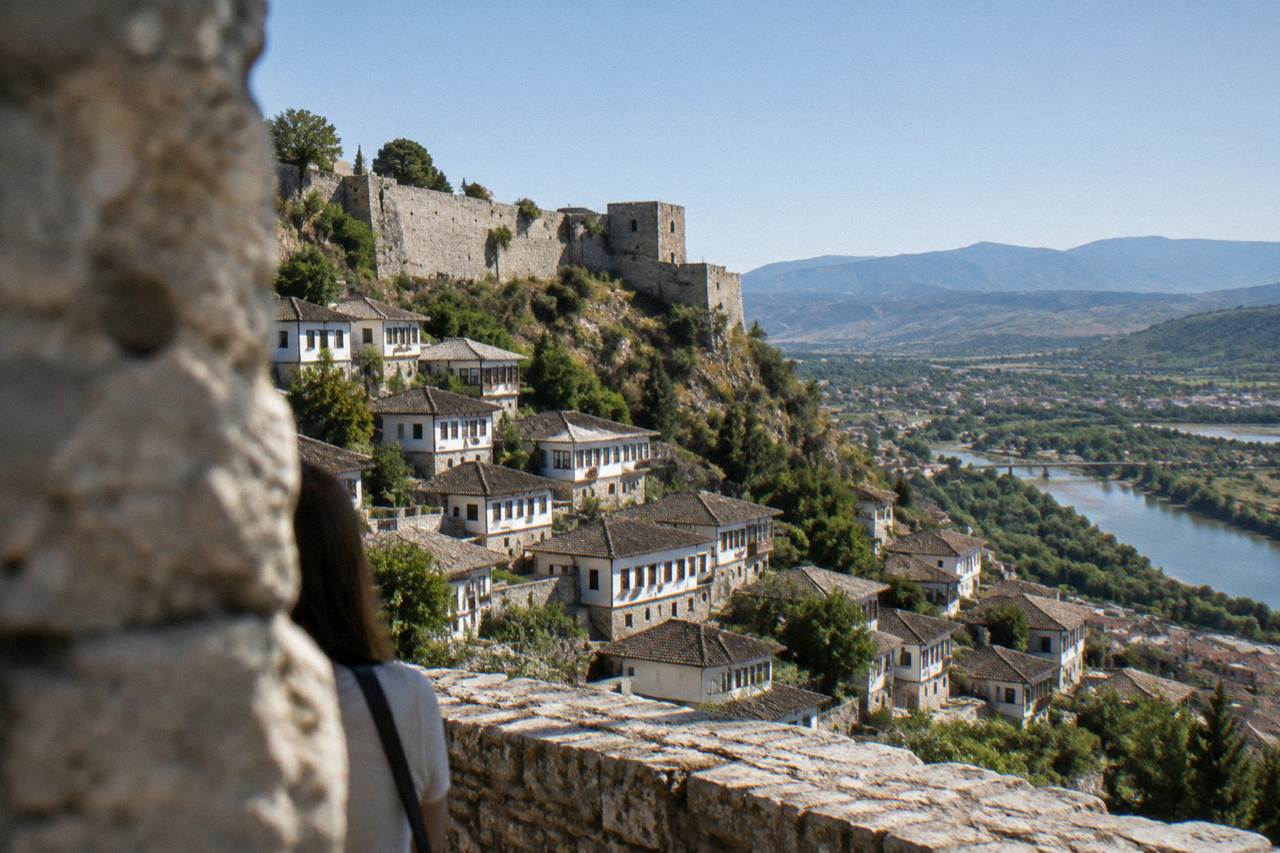
Berat, the UNESCO World Heritage Ottoman-era hill town in central Albania, does not have a bad month so much as a set of trade-offs: heat against festival energy, quiet streets against shorter museum hours, river levels against rafting calendars. The town sits on the Osum River with its white-windowed Mangalem and Gorica quarters facing each other across the water, and almost everything worth doing here happens outdoors, on stone, on foot. That makes the choice of month matter more than in a city built around indoor attractions. This page walks through the full year and names the months that win.
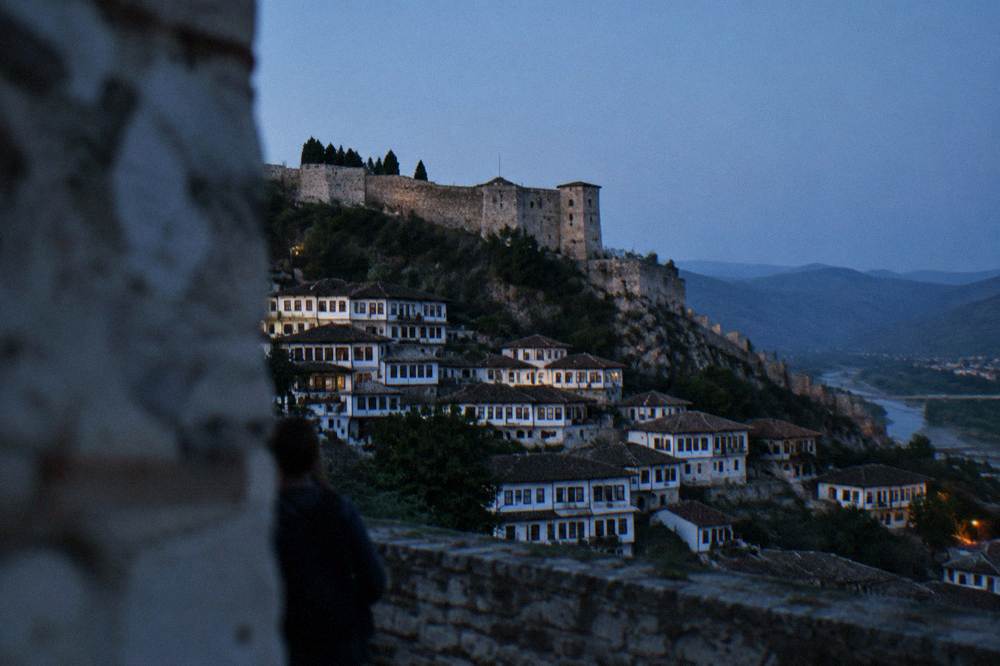
What Is The Best Month To Visit Berat?
The best month to visit Berat is May, with October a very close second and arguably the better choice for wine lovers. In May the hills around town are green, the museums are on their long summer opening hours, the Osum river is at its most exciting for rafting, and the summer crowds have not yet arrived. In October the light is golden, the Wine & Stories of Berat festival runs from 2 to 4 October, and temperatures are comfortable for climbing to the castle.
Both months sit in the shoulder season, which in an old town of cobbled lanes and steep climbs is where you want to be. Berat's main experiences, walking Mangalem, crossing to Gorica, hiking up to the castle walls with their 24 defensive towers, are physical and mostly unshaded. The people who enjoy Berat least are the ones who arrive in the peak of summer heat and discover that the walk up to the castle is a long, exposed one. The people who enjoy it most arrive when the air is mild enough that the town invites you to keep wandering.
There is also a practical reason to prefer the shoulder months that has nothing to do with weather: the museums. The Onufri Iconographic Museum and the Ethnographic Museum inside and below the castle both run longer summer hours from 1 May to 30 September, so May and October both overlap with, or sit adjacent to, the generous season. In the winter season the museums close earlier and list no Monday hours at all. If your trip is short, and most are, you do not want a closed museum in the middle of it. For help sizing the trip itself, see how many days to spend in Berat.
Which Months Have The Best Weather In Berat?
Berat has hot, dry summers and wetter winters, and the best weather for visiting sits at either end of the hot stretch: May and late September through October. No official station climate normals exist for Berat, so no month can honestly be labelled the warmest or driest, but the pattern itself is consistent. Summer heat can top 40C, and on 20 July 2026 local media reported the year's highest readings in Berat, with shade values near 42C.
That single July 2026 data point is worth taking seriously, because it was not an anomaly in a mild summer. It was the hottest day of the year and it happened here, in the inland plain where the sea breeze never reaches. Berat is not a coastal town; there is no beach an hour's stroll away to retreat to. What there is, is stone, and stone holds heat late into a July evening.
The wetter half of the year runs roughly November through January, when rainfall peaks and the days shorten. A rainy day in Berat is not a disaster, the museums and the old houses are genuinely good, but three of them in a row will eat an itinerary built around the castle, the Gorica quarter and the river bank. The winter months also bring the reduced museum schedule: Tuesday to Saturday 9:00 to 16:00, Sunday 10:00 to 15:00, with no Monday hours listed on the official page.
Spring is the most underrated window. April can still throw a wet week, but by May the Tomorr massif above town, whose highest point reaches 2,416 metres, has usually shaken off its snow line and the whole landscape reads green. For travellers weighing the whole country's calendar rather than just this town's, the best month to go to Albania follows a similar shoulder-season logic, with the coast adding its own high-season pull that Berat never has.
How Do The Months Of The Year Compare For A Visit?
October is the strongest single month for a first visit, because it combines the Wine & Stories of Berat festival from 2 to 4 October, comfortable walking temperatures, thin crowds and full summer museum hours through the month's early stretch. May is the green alternative. July and August are the busiest and hottest. November to February is quiet, wetter and runs on the short museum schedule, while March and April form the warm-up act.
The table below is the honest trade-off summary for the year. It deliberately avoids monthly temperature and rainfall figures, because no official station normals exist for Berat and secondary climate-site tables do not agree. What it can state with confidence is the texture of each month: what opens, what closes, what the river is doing and what the calendar holds.
| Month | What works in your favour | What to plan around |
|---|---|---|
| January | Lowest prices, near-empty lanes, snow views on Tomorr | Shortest days, rain peak, museums on winter hours |
| February | Very quiet, occasional bright cold days | Rainiest stretch of the year; rafting only begins late in the month at best |
| March | Spring light returns, Osum river high from snowmelt, rafting season starting | Changeable weather, shoulder-season greyness |
| April | Green hills, rafting at its best, longer museum hours from 1 May just ahead | Showers still common; check whether Easter week fills guesthouses |
| May | Long museum hours, green landscape, comfortable walking, thin crowds | River activity bookings fill weekends |
| June | Warm without peak heat, long evenings, full summer schedule everywhere | Bookings for canyon trips and guesthouses start tightening |
| July | Everything open, tubing season on the canyon, maximum daylight | Peak heat that can top 40C, peak crowds, peak prices |
| August | Festival energy, tubing at full swing, Bektashi pilgrimage colour on Tomorr | The hottest, busiest, loudest month of the year |
| September | Heat easing, high-season crowds leaving, river still runnable for tubing | Late-month rain possible |
| October | Wine & Stories festival 2-4 Oct, golden light, thin crowds, long museum hours until the 30th | The month ends; the first week of November flips museums to winter hours |
| November | Quiet, atmospheric, cheap | Rain returns in earnest, museums drop to winter hours on the 1st |
| December | Fireside guesthouse mood, Christmas quiet | Short days, wet weather, reduced schedules |
The row that surprises people is August. It is the month of the annual Bektashi pilgrimage to the tomb of Abaz Ali on Mount Tomorr, which in 2026 ran from 18 to 25 August with police managing traffic around the Kulmak Tekke. It is a remarkable thing to witness from a distance and a real reason some travellers choose the month deliberately. It is also, reliably, the most crowded and hottest stretch of the Berat year, so it rewards a specific interest rather than a general first visit.
For the month-by-month question applied to spring specifically, whether April is a good time to visit Albania covers the country-wide picture, of which Berat is one inland chapter.
Whichever month you pick, the practical move is the same: lock the castle walk, one canyon or winery half-day and one slow food evening into the plan early, because those are the three experiences that sell out or fill up first once a season turns busy.
Is Summer Too Hot For Sightseeing In Berat?
Yes, July and August are usually too hot for classic sightseeing in Berat unless you restructure the day around the heat. The walk up to the castle is exposed, the white stone amplifies the sun, and summer heat can top 40C. Locals shift their lives early and late; visitors who insist on a midday castle climb in August often regret it. The fix is simple: castle before 11:00, a long lunch, museums in the middle of the day, and the Gorica river bank at dusk.
The one thing high summer does better than any other month is the canyon. The Osum Canyons near Çorovodë, a protected natural monument in the Skrapar district, run their tubing season in the warmer months when the river settles to calmer levels, while rafting belongs to the spring snowmelt, roughly March to early June depending on water. A tubing day on cold river water is one of the few activities that genuinely improves in August. The canyon rim itself, including viewpoints such as Vrima e Nuses and the Old Italian Bridge, charges no entrance fee, though the paid activities are separate.
Getting there from Berat is straightforward: the drive to the Çorovodë area runs one to one and a half hours on fully paved road, with gravel tracks only deeper into the canyon country. Families weighing the summer window against the school calendar can make July work with the early-and-late structure above, but they should build in a real midday pause, either a museum or a shaded lunch, rather than pushing through the hottest hours on foot.
If a summer visit is already fixed, pairing the town with a canyon day balances the heat. The Berat: Osumi Canyon, Bogova Waterfall, & Rakia Village Tour is built exactly for that mix of stone, water and village life.
Booking that kind of canyon day a few days ahead matters more in July and August than at any other point in the year, because the tubing operators run set departures and the summer slots go first.
What About Winter In Berat?
Winter in Berat, roughly November through February, is a low season with real mood and real limitations: rain peaks in this stretch, the museums drop to the shorter Tuesday-to-Sunday winter schedule from 1 November, and the castle walk is best saved for dry afternoons. It is the cheapest and emptiest time in the old town, and for travellers who like their heritage sites without crowds, it has an honest appeal. Just do not build a winter week around outdoor plans.
The museums themselves are a strong winter anchor. The Onufri Iconographic Museum holds an individual ticket at 400 lek, the Ethnographic Museum at 300 lek, and the Ethnographic reopened on 30 May 2026 after more than three years of restoration with around 1,300 objects on display, so the indoor offering has rarely been stronger. Onufri has been drawing record crowds through 2026, which tells you something about how the summer months feel inside its halls.
A winter visit also rewards a slower food rhythm: long lunches of tavë kosi, byrek from a bakery, and raki in a guesthouse dining room are exactly what the season is for. The cold half of the year is when the traditional Albanian food question answers itself, table by table, and Berat's home kitchens are among the best places in the country to ask it.
How Do Festivals And Events Shape The Calendar?
Two dated anchors matter most: the Wine & Stories of Berat festival, which runs 2 to 4 October 2026, and the Bektashi pilgrimage to Mount Tomorr, held annually in August, 18 to 25 in 2026. October's festival brings Albanian and Kosovo wineries, music and judged tastings to the town and turns a quiet shoulder month into the single best week of the year for wine-minded visitors. August's pilgrimage is a national event in the mountains above town, atmospheric but accompanied by peak heat and traffic management on the access roads.
The October festival is the closest thing Berat has to a signature event, and it lands in the month that was already winning on weather and light. The festival's wine contest is judged by international oenologists, and the surrounding programme reaches cheese, olive oil and fig traditions, so it functions as a food festival as much as a wine one. Anyone curious about the national festival landscape can start with the famous festival in Albania, of which this is one prominent entry.
October is also when the local wine story is easiest to taste in context. The Berat region grows native Shesh i Zi and Shesh i Bardhë grapes alongside the local white Puls, and Cobo Winery in the area makes a traditional-method sparkling Puls aged on its lees. A festival-week visit can pair the old town with a cellar afternoon, and the tastings come with olives, cheese and the other small plates the region lays alongside its wines.
For visitors arriving from the coast or the capital rather than staying in town, the day-trip format is the natural October move. The Berat UNESCO heritage day tour with local food covers the castle, the old quarters and a traditional meal in one escorted day, and its heritage-plus-food shape fits the festival season's mood better than a standard sightseeing loop. You can also Check availability once your dates are set.
Festival week itself is the one stretch of October when guesthouses in Mangalem and Gorica fill noticeably ahead of time, so if the festival is your reason for coming, book the bed first and the activities second.
What Should You Pack For The Winning Months?
For May and October in Berat, pack for mild days and cool evenings: layers, a light rain shell, comfortable shoes with real grip for the stone lanes and the castle slope, and a refillable bottle. October evenings in an old stone town cool faster than visitors expect, and May mornings can start crisp before warming quickly. Sun protection matters in both months, because the castle walk is unshaded even when the air feels gentle.
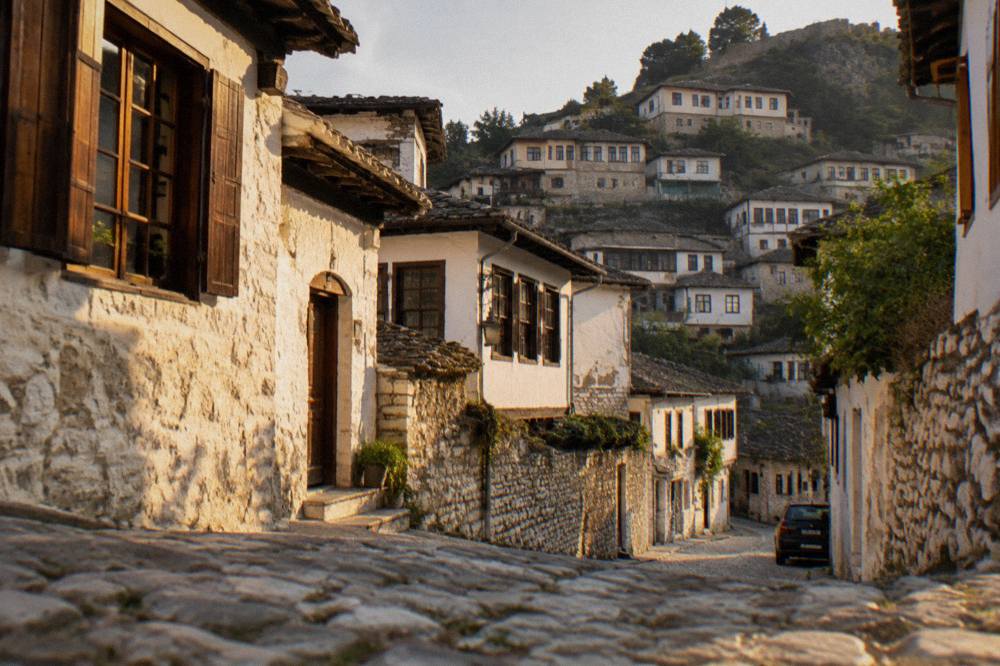
Footwear deserves its own sentence. The kalldrëm, the cobbled lanes of Mangalem and Gorica, is polished by centuries of feet and becomes slick after rain. In the wetter months the same lanes demand the same shoes, so the packing advice barely changes across the year: grip first, everything else second.
Money-wise, bring lek thinking rather than card thinking. The Albanian lek is the currency, roughly 92 lek to the euro, and the old town remains largely cash territory even as cards gain ground in bigger businesses. Museum tickets and small guesthouse extras are cash matters, and this Berat Travel Guide site covers the detail in its money pages.
Whatever the month, the town rewards the same habit: walk early, eat long, and let the middle of the day belong to shade. If your dates are flexible, aim for May for the green hills and the spring river, or the first week of October for the festival, the golden light and the last of the long museum hours.
Common Questions About The Best Month To Visit Berat
What is the best month to visit Berat?
May is the best month overall: green landscape, long museum hours, comfortable walking weather and thin crowds. October is a close second and better for wine lovers thanks to the Wine & Stories of Berat festival from 2 to 4 October.
Is Berat too hot in summer?
July and August can be, with summer heat capable of topping 40C in the inland plain. Restructure the day around it: castle before 11:00, long lunch, museums midday, river bank at dusk, or trade a town day for tubing on the Osum canyons.
When is the Wine & Stories of Berat festival?
The 2026 edition runs from 2 to 4 October, with Albanian and Kosovo wineries, music, culinary events and a judged wine contest. The 2025 edition ran 3 to 5 October, so early October is the reliable window.
What is the rainy season in Berat?
Rainfall peaks in the November-to-January stretch, and winters are wetter than summers. There are no official station climate normals for Berat, so plan on the qualitative pattern: hot dry summers, wet winters, and pack a rain shell from late autumn through winter.
Are Berat's museums open all year?
Yes, but the schedule shifts. From 1 May to 30 September both the Onufri and Ethnographic museums run long summer hours; from 1 November to 30 April they open Tuesday to Saturday 9:00 to 16:00 and Sunday 10:00 to 15:00, and the official page lists no Monday hours in that season, so plan museum days Tuesday to Sunday.
When can you go rafting near Berat?
Rafting on the Osum canyons belongs to the spring snowmelt, roughly March to early June depending on water levels. Tubing takes over in the warmer months when the river runs calmer, so spring visitors get the big water and summer visitors get the float.