How Many Days Should I Spend In Berat?
How many days should you spend in Berat, Albania? A practical breakdown of one, two, three and four day stays in the UNESCO old town, with pacing, museums and excursion options.
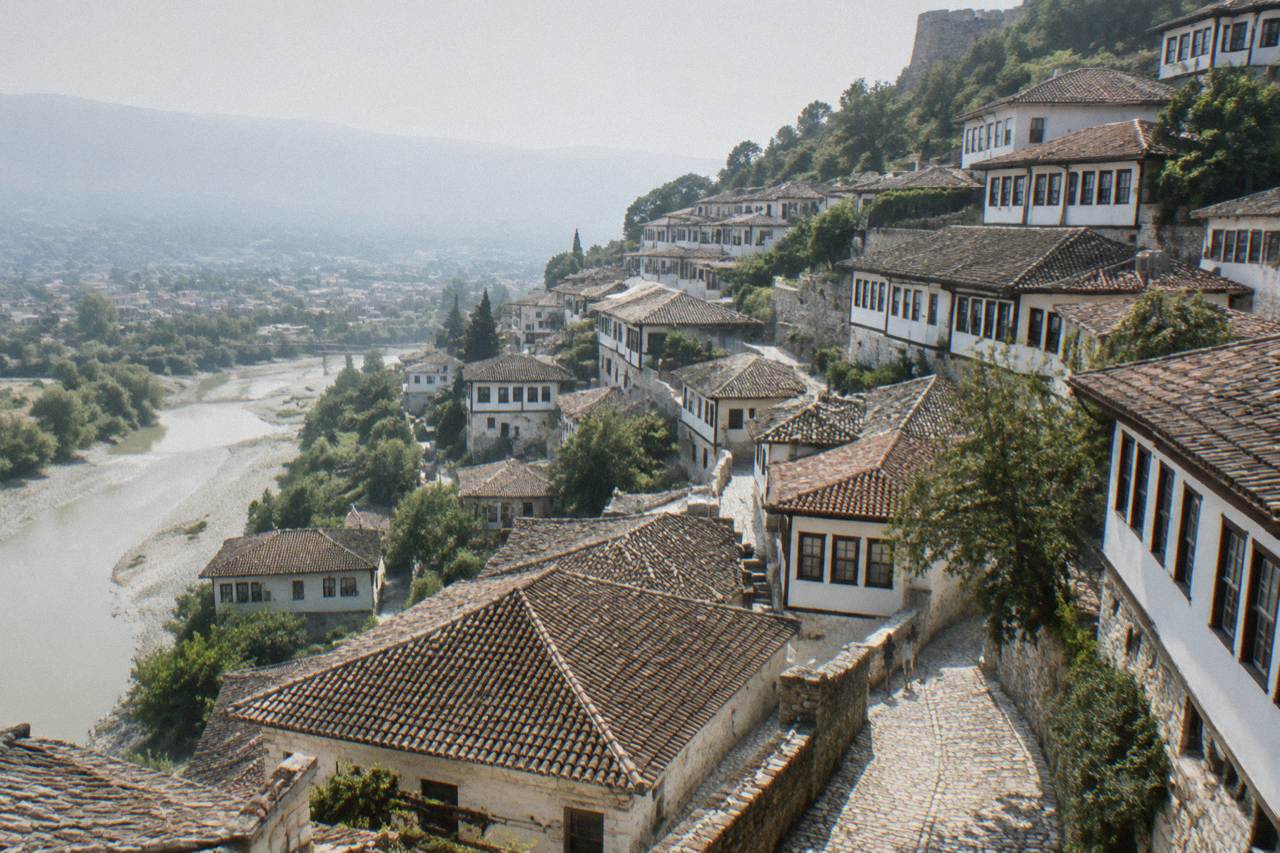
Berat joined the UNESCO World Heritage List in 2008, when the committee extended the Historic Centres of Gjirokastra to include this Ottoman-era hill town on the Osum River in central Albania, and the wording it chose, a rare example of a well-preserved Ottoman town, is exactly why the length-of-stay question is worth asking properly. The old core is compact enough that you can walk from the castle gate to the far bank of the Gorica quarter in well under an hour, yet layered enough that a large share of one-day visitors leave feeling they viewed the town through a window rather than lived in it. This page works out how many days Berat genuinely needs, what each additional night buys, and the point at which a longer stop stops paying for itself.
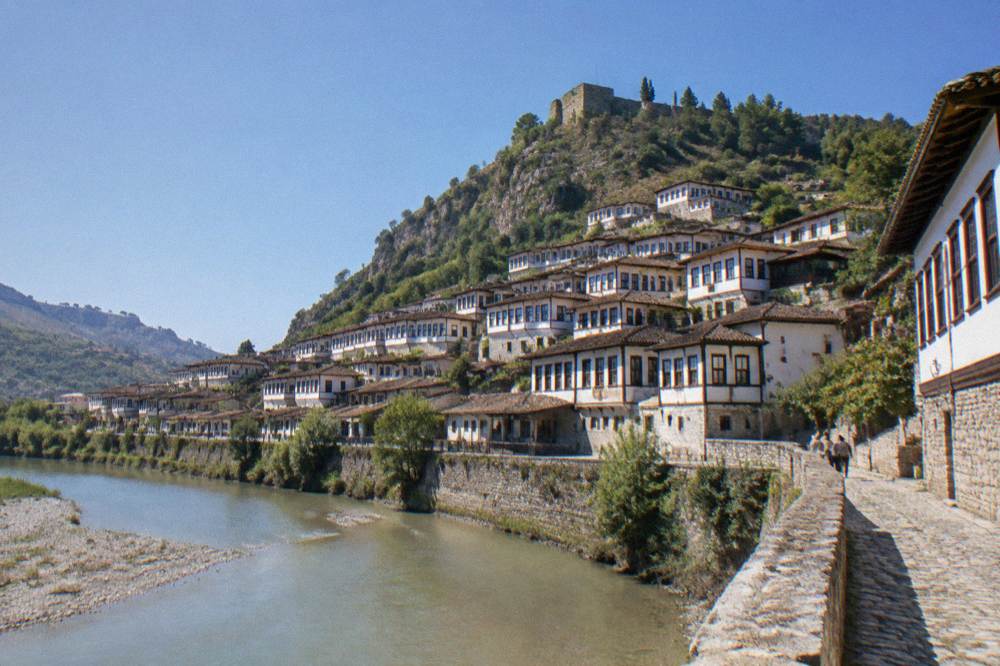
How Many Days Should I Spend In Berat?
Two nights, which gives you one full day plus a half day on each end, is the right answer for most travellers: enough time to climb the castle, visit both museums, cross to Gorica, and eat two unhurried dinners. One night works if Berat is a single stop on a wider Albania route. Three nights is the sensible ceiling for the town itself; beyond that you are really buying excursions to the Osumi Canyon, Mount Tomorr or Apollonia, not more Berat.
The common mistake is treating Berat as a half-day photo stop between Tirana and Gjirokastra. The town's two faces, the walled Kala quarter above and the stacked windows of Mangalem below, photograph well from the Gorica bank in ten minutes, but the substance of the place, the churches inside the castle, the museum collections, the river walks at dusk, needs a slower clock. Whether that slower clock is worth a second night depends mostly on whether you plan to sleep inside the old town or day-trip in and out, a trade-off covered in detail in is Berat worth the detour.
This Berat Travel Guide treats two nights as the default recommendation rather than a compromise. The reasoning is arithmetic as much as sentiment. The castle alone, with the Onufri Museum inside it and the walk back down through Mangalem, absorbs a morning. The Gorica side, the museums at street level and the boulevard absorb another half day. That is a full day and a half before you have considered a single meal at leisure or a single hour of the evening light that gives the town its nickname.
| Stay length | What fits comfortably | What you sacrifice |
|---|---|---|
| 1 night (1 full day + 2 half days) | Castle and Onufri Museum, Mangalem lanes, Gorica Bridge, one good dinner | The Ethnographic Museum, any winery, any canyon trip, evening pace |
| 2 nights (2 full days) | Everything above plus the Ethnographic Museum, Gorica quarter at walking pace, a winery afternoon | Only the far excursions, Tomorr and Apollonia |
| 3 nights (3 full days) | The full town plus one big excursion day, canyon rafting or a winery region tour | Nothing inside Berat; day three is really an excursion |
| 4+ nights | Festival visits, two excursions, heat-avoidance summer pacing | Momentum, unless a specific reason anchors you |
Can You See Berat In One Day?
Yes, one long day covers the core of Berat: the castle walls and Onufri Museum in the morning, the lanes of Mangalem at midday, the Gorica Bridge and the far bank in the afternoon, and the boulevard at dusk. What a single day cannot absorb is the reopened Ethnographic Museum at leisure, a winery in the surrounding hills, or the Osumi Canyon, each of which needs a second day. Arrive on the earliest bus and the day works.
The one-day plan is realistic because Berat has no train connection of any kind; visitors arrive by road, and the frequent buses and shared minivans from Tirana's South-North terminal run roughly hourly from early morning to late afternoon, taking around two and a half hours, with the fare paid in cash, a few hundred lek. There is no direct airport service, so the practical earliest arrival from a morning flight is early afternoon, which is why serious one-day visitors either come the night before or treat the day as dawn-to-dusk.
Spend the morning high. The castle quarter is a lived-in neighbourhood, not a monument: its walls carry 24 defensive towers, roughly 42 churches once stood inside, and about eight survive, including the Red Mosque, among the earliest Islamic buildings in the fortress. The Onufri Museum sits inside the walls and holds the town's celebrated icon collection. Come down through Mangalem for lunch, cross the bridge to Gorica in the afternoon, and finish on the boulevard when the windows facing the hill catch the low sun.
If even one day is too much commitment, the town still repays an evening. Several operators run afternoon-to-night excursions from the capital built around the illuminated old town, and the roster below includes the pick of them alongside a canyon adventure and a full day-trip from Vlora.
What Does A Second Day In Berat Add?
A second day converts a checklist into a stay: the Ethnographic Museum, which reopened in May 2026 after three years of restoration, the Gorica quarter at genuine walking pace, a winery visit in the hills south of town, and an unhurried dinner instead of a race to the last bus. It also moves your castle and Mangalem hours off the day-trip schedule, into the quiet early morning and late afternoon when the light is best. If Berat is your only stop beyond Tirana, take the second day.
The single biggest argument for night two is timing. Day-trippers arrive mid-morning and leave mid-afternoon, so the castle path, the museum queue and the Mangalem lanes carry their heaviest load exactly when a one-day visitor is standing in them. Overnighters get the castle at opening and the riverbank at dusk, which are the two hours the town saves its best face for. The two-day Berat itinerary on this site is built around exactly that split.
The second day is also when the food and wine region comes into reach. Berat sits in one of Albania's most storied wine pockets: the native Shesh grapes, red and white, dominate central Albania, and the local white variety Puls is being revived by family producers around town, including a traditional-method sparkling wine aged on its lees. A tasting afternoon in the hills is a half-day outing, impossible on a one-day clock, natural on a two-day one.
For travellers who must sleep in Tirana, there is still a route to Berat's evening face: the Berat night city tour from Tirana pairs a guided walk through the lit old quarter with a photography focus, Check availability if an evening visit fits your route better than an overnight.
| Block | Day 1 of a two-night stay | Day 2 of a two-night stay |
|---|---|---|
| Morning | Castle quarter, Onufri Museum, walk down through Mangalem | Gorica quarter streets and the far bank of the Osum |
| Midday | Lunch in Mangalem, the thousand-windows view from below | Ethnographic Museum, then lunch toward the boulevard |
| Afternoon | Gorica Bridge, Gorica lanes, river promenade | Winery visit in the hills south of town |
| Evening | Dinner in the old town, windows lit across the river | Slow dinner, last riverside walk, no bus to catch |
Is Three Days In Berat Too Many?
Three days is the sensible maximum for the town plus one big excursion. Treat day three as an excursion day rather than more Berat: rafting the Osumi Canyon in spring snowmelt, floating it in summer, hiking toward Bogovë waterfall, or touring a second winery. If no excursion appeals, a third day inside the town itself begins to thin out, and most travellers are better moving on toward Gjirokastra or the coast.
The canyon is the classic third-day purchase. The Osumi Canyon near Çorovodë is protected as a natural monument, there is no entrance fee to view it from the rim, and operators run rafting trips in spring, roughly March to early June depending on water, switching to calmer tubing through summer and autumn. The drive out from Berat runs about an hour to an hour and a half on fully paved road. A combined canyon and waterfall outing, with a Bogovë forest walk that is short and gentle, fills a day without any self-driving, which matters because rural Albanian roads reward local drivers.
If water levels or season rule out the canyon, the winery region expands instead. Beyond the best-known producers, smaller family wineries around Roshnik pour the local varieties alongside olives and cheese, and a guided outing with transfers spares you the mountain roads and the raki. That is the difference between a rushed tasting and the afternoon that justifies the third night: someone else drives, and you are back for dinner on the boulevard.
The honest caveat is that three full days inside the town proper, with no excursion, is more Berat than most itineraries need. The castle rewards a second slow pass, and Gorica rewards getting lost once, but by the middle of day three the town has given you what it has. Booking one anchored excursion is the standard fix, and the box below is the site's featured evening option for travellers who want the night-time old town handled end to end.
What Pace Should You Plan For Each Day?
Plan one anchor sight per half day and walk everywhere: the geography paces you, because the castle sits above the old town, the museums sit inside and below it, and Mangalem and Gorica simply face each other across the river. Reserve the steepest block, the climb to the castle and the Onufri Museum, for the morning, when summer heat in Berat can top 40 °C and the cobbled path is kindest. Afternoons belong to the river, the far bank and the shade.
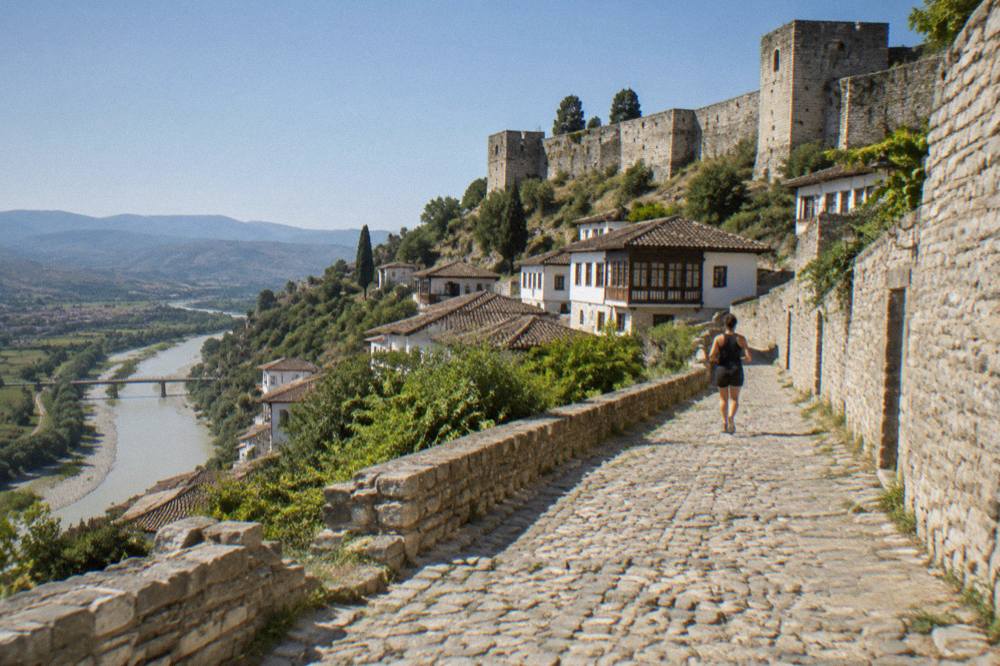
The climb itself is the one physical commitment in the whole stay, and its timing shapes the day more than any museum schedule. The gradient and the cobbles are the reason the castle walk-up time question is one of the most asked about the town; whatever your pace, do it before the midday sun, then let the descent through Mangalem be your sightseeing. In July and August, treat midday as a long lunch indoors, a habit the locals follow for good reason.
Both town museums sit under the Berat Museum Center, with straightforward hours and modest tickets, payable in lek at the door or online through the national e-ticketing system launched in late 2025. Note the seasonal split: summer opening runs to early evening, winter hours are shorter and the museums close on Mondays for part of the week. Check the current schedule before you plan a museum around a late-afternoon arrival.
| Museum | Individual ticket | Reduced and youth tickets | Hours |
|---|---|---|---|
| Onufri Iconographic Museum (inside the castle) | 400 ALL | Reduced 200 ALL; ages 12-18 and students 120 ALL; under 12 free | 1 May to 30 Sep, 9:00-18:00 daily |
| Ethnographic Museum (old town) | 300 ALL | Reduced 150 ALL; ages 12-18 and students 90 ALL; under 12 free | Nov to Apr, Tue-Sat 9:00-16:00, Sun 10:00-15:00 |
| Onufri audio guide | 500 ALL | Same ticket, add-on at the desk | Same hours as the museum |
When Should You Add A Fourth Day?
Add a fourth day only for a specific anchor: the Wine and Stories festival in early October, the late-August pilgrimage season on Mount Tomorr, a second excursion such as Apollonia, or plain heat avoidance in July and August when midday Berat empties and everything worth doing happens before ten and after five. Without one of those reasons, a fourth day is usually a sign you have fallen for a guesthouse, which happens, but it is not an itinerary.
The festival is the strongest of the four anchors. Wine and Stories of Berat runs across the first October weekend, pours from producers across Albania and Kosovo, and adds cheese, olive oil and jam programs around the tastings, so a stay built around it comfortably justifies four nights. The pilgrimage to the tomb of Abaz Ali on Mount Tomorr draws hundreds of thousands of Bektashi faithful each August; it is a genuine spectacle, but the mountain roads carry heavy traffic that week and quiet is not what you get. Either way, timing matters more than duration, and the best month to visit Berat question is the natural companion to this one.
The other honest reason to stretch is your wider route. Berat sits roughly in the middle of the country, and travellers combining it with Gjirokastra, the Riviera or the archaeological sites of Apollonia and Byllis often find that an extra Berat night simplifies the whole road plan. If you are sizing the national trip rather than the town, the how many days in Albania is enough breakdown covers the full-country arithmetic.
So: two nights as the default, a third when an excursion earns it, a fourth only with a date or a reason attached. Berat rewards the traveller who arrives with a loose plan and lets the town's rhythm take over, and it quietly punishes the one who tries to compress it into a photo stop. Choose the stay length that lets you walk up once in the cool and cross the bridge once at dusk; everything else arranges itself around those two walks.
Common Questions About Days In Berat
How many days should I spend in Berat?
Two nights is the sweet spot for most travellers, giving one full day plus two half days for the castle, both museums, Mangalem and Gorica. Add a third night for a canyon or winery excursion, and a fourth only for a festival, a pilgrimage week or heat-avoidance pacing.
Is one day in Berat enough?
One long day covers the castle, the Onufri Museum, the Gorica Bridge and the two old quarters, arriving on an early bus from Tirana. It does not cover the Ethnographic Museum at leisure, a winery, or the Osumi Canyon.
Is Berat a good weekend trip?
Yes, and it is the most natural shape for a visit: arrive Friday evening or Saturday early, sleep two nights inside the old town, and leave Sunday afternoon. The bus from Tirana takes around two and a half hours, paid in cash.
Do you need a car to enjoy Berat?
No. The town itself is entirely walkable, canyon and winery excursions run with transfers from Berat, and the castle quarter now restricts vehicle access anyway. A car only earns its keep if you are linking Berat into a wider road trip.
What is the best month to visit Berat?
Spring and early autumn offer mild walking weather and reasonable crowds; July and August are hot enough that midday plans should move indoors. Early October adds the Wine and Stories festival to the calendar.