Is Berat, Albania Worth Visiting?
A direct answer on whether Berat, the UNESCO Ottoman hill town in central Albania, is worth your time, with verified costs, sights and honest downsides.
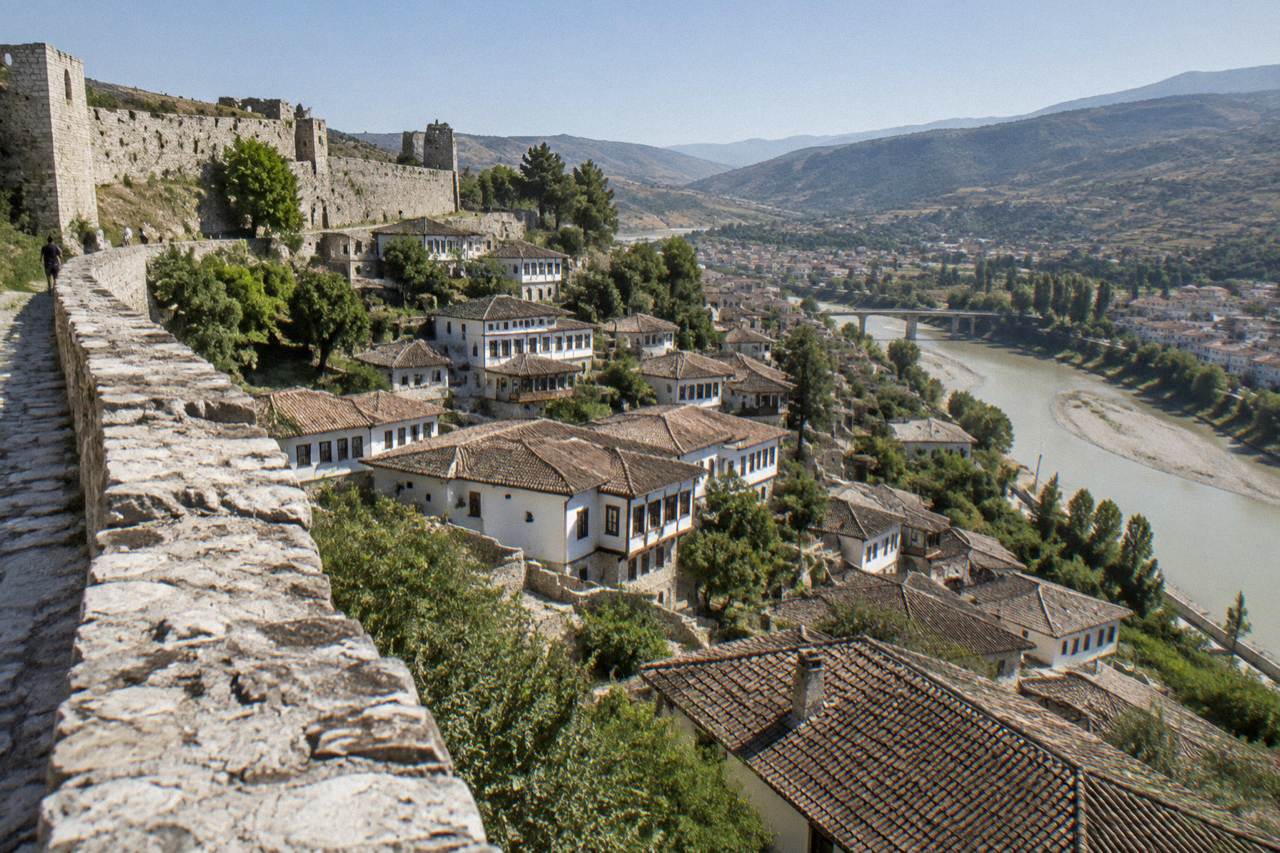
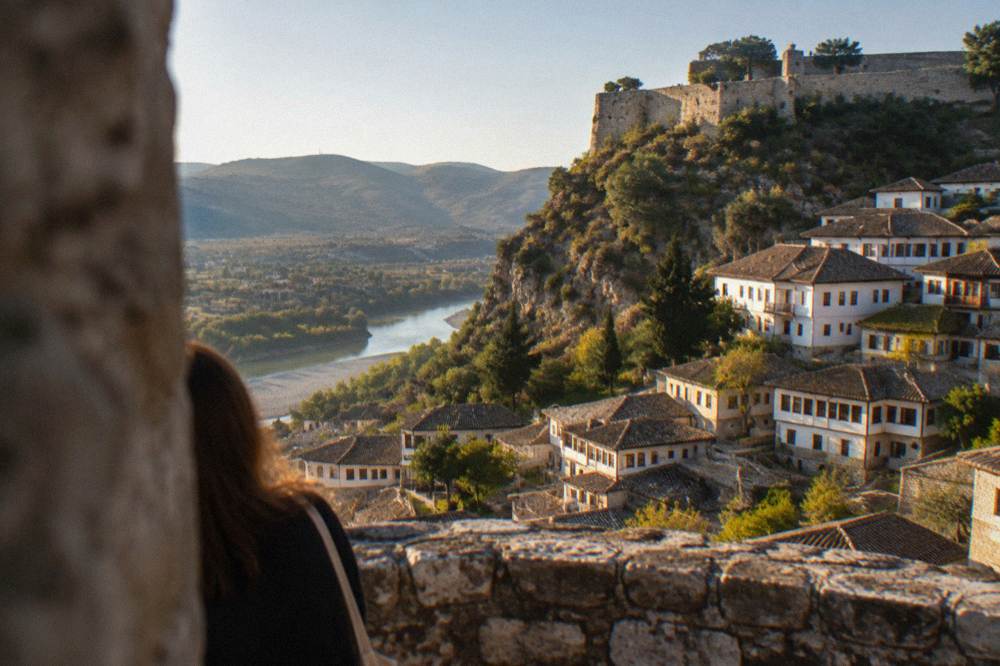
Berat sits on the Osum River in central Albania, a hill town of white Ottoman houses stacked so densely on the slopes that locals call it the city of a thousand windows. UNESCO added the city centre to its World Heritage List in 2008 as part of the Historic Centres of Berat and Gjirokastra, describing it as a rare example of a well-preserved Ottoman town. That verdict is the honest one: the old quarters of Mangalem and Gorica are lived in rather than staged, the castle quarter still holds working guesthouses inside its walls, and the whole core is small enough to walk end to end in under an hour. The question most travellers actually ask is narrower, though. Given limited days in Albania, does Berat earn a slot over the coast or Gjirokastra? The short answer is yes for most people, with a few caveats about summer heat, crowds in August and cash-only old town shops, all covered below.
Is Berat, Albania Worth Visiting?
Yes, for the large majority of travellers Berat is worth visiting: it holds one of the best preserved Ottoman old towns in the Balkans, the entry fees are modest at a few hundred lek per museum, and the core sights can be covered in a single full day. The value concentrates in one compact area. You are not travelling hours between scattered monuments. The castle, the Onufri Iconographic Museum, the Mangalem frontage on the river and the Gorica quarter across the old bridge all sit within a 20 minute walk of each other. What the town lacks is nightlife and a big attraction roster, so travellers chasing variety or beaches will find a day and a half plenty.
The strongest argument is authenticity. Berat is not a reconstructed museum piece. People live in the houses you photograph, a small number of guesthouses operate inside the castle walls, and a centuries-old building next to the Onufri Museum is being converted into an eight room family guesthouse under a national investment scheme. The counter-argument is equally real. August brings tour groups in numbers the old lanes were never built for, summer heat can top 40 °C, and outside the core the town quickly becomes ordinary Albanian suburbia. Balance those against your own tolerance and Berat almost always wins, provided you arrive with realistic expectations.
Most visitors settle on one night or two. If you are still shaping the route, the planning question of days in Berat has its own breakdown, and what Berat is famous for covers the thousand-windows story in more depth.
What Makes The Old Town Worth The Trip?
The old town's worth rests on three things you can verify with your own eyes: a castle quarter with 24 defensive towers that is still inhabited, roughly eight surviving churches inside the walls, and the twin Ottoman quarters of Mangalem and Gorica facing each other across the Osum. UNESCO inscribed the property under criteria three and four, and its character judgement, that Berat bears the imprint of an independent lifestyle linked to its handicraft and merchant functions, is visible in the workshop fronts and storehouses along the river. Nothing here is a theme park.
Start with the castle. The walk up from Mangalem takes most people well under an hour, a climb covered in detail in how long it takes to walk up to Berat Castle. There may be a small fee at the gate in daytime, so carry lek, and note that car access into the castle quarter is being restricted under a new municipal parking scheme, so plan to park below and walk. Inside, the Onufri Iconographic Museum holds the town's most famous painted works, and the Ethnographic Museum across the river reopened on 30 May 2026 after three years of restoration with around 1,300 objects on display.
The guide-led option suits anyone short on time or arriving without a car. The Premium Berat UNESCO tour with castle and lake covers the castle, the old town and a stop at Belsh Lake in one organised day, with an expert walking the history rather than leaving you to guess at it. Check availability if that format fits your plans. Independent travellers can skip it and simply walk, but the castle's story, from its 24 towers to the churches and the Red Mosque among the fortress's earliest Islamic buildings, lands far better with a guide.
What Does A Trip To Berat Actually Cost?
Berat is a low-cost destination by European standards: the two main museums charge 400 and 300 lek, meals are cheap by European standards, and guesthouse rooms are affordable, though prices vary. The currency is the Albanian lek, roughly 92 to the euro, and the old town remains largely cash territory, so withdraw before dinner rather than after. Museum tickets can also be bought online through the national e-Albania portal, launched for heritage sites in November 2025.
The table below pulls together the figures that matter for a one or two day stay. Every number comes from current listings or the official museum site rather than folklore.
| Item | Typical figure | What to know |
|---|---|---|
| Onufri Iconographic Museum ticket | 400 ALL | Audio guide 500 ALL, reduced 200 ALL, under 12s free |
| Ethnographic Museum ticket | 300 ALL | Reduced 150 ALL, students and ages 12 to 18 pay 90 ALL |
| Cappuccino | cheap by European standards | Espresso also cheap, pay in cash in lek |
| Castle grounds | small daytime fee may apply | Carry lek; pedestrian access outside staffed hours |
Two money notes save headaches. Cards are accepted at some hotels and larger venues, but Mangalem's guesthouses, cafes and shops mostly want cash, and ATM fees on foreign cards can run several hundred lek a withdrawal. Euros are informally accepted at some tourist businesses, but change usually comes back in lek and the rate is worse, so pay in lek wherever possible. The broader picture, including how Albania prices compare with neighbours, is covered in whether Albania is cheap or expensive.
When Is The Best Time To Visit Berat?
Spring and early autumn are the best times to visit Berat: the summer months are hot and dry with temperatures that can top 40 °C, while winters are wetter and quieter, and August adds peak crowds on top of the heat. No official station climate normals were published for the town, so treat any precise monthly figures you see elsewhere with suspicion. What is certain from recent reporting is the pattern: July 2026 brought the hottest day of the year, with the highest readings recorded in Berat itself.
| Season | Character | Best for |
|---|---|---|
| Spring | Mild, green hills, melting snow on Tomorr feeding the Osum | Rafting season, walking the castle without heat |
| Early summer | Warming and dry, river still runnable into mid June | Canyon trips before water levels drop |
| July and August | Hot and dry, peak crowds in the old lanes | Wine festival planning, evening-only sightseeing |
| September and October | Cooling, harvest activity, fewer groups | Winery visits, comfortable walking |
| November to March | Wetter and quiet, museums on winter hours | Low prices, photography in soft light |
Timing has one further hook: the Wine and Stories of Berat festival runs over three days at the start of October, with tastings from Albanian and Kosovo wineries judged by international oenologists. If wine is your reason for coming, build the trip around those dates. Month-by-month detail lives in the best month to visit Berat.
What Can You Do Beyond The Castle Walls?
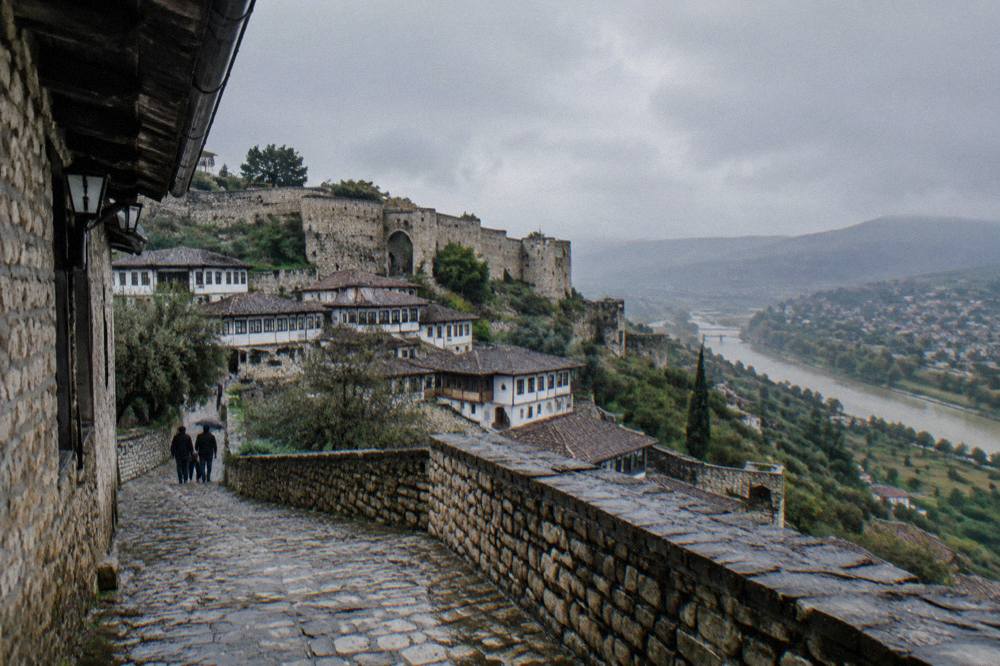
Beyond the castle, Berat's worthwhile add-ons are winery visits in the surrounding hills, canyon and waterfall trips in Skrapar, and a walk across the Gorica Bridge into the quieter Gorica quarter, all of them reachable without an overnight stay elsewhere. The canyon country starts near Çorovodë, roughly an hour to an hour and a half away on fully paved roads, where the Osum has cut a gorge protected as a natural monument. Rim viewpoints such as the Bride's Hole carry no entrance fee, and the walk to Bogovë waterfall is a short forest trail of roughly 30 to 60 minutes return.
The activity season follows the water. Operators run rafting in spring, roughly March to May or early June depending on snowmelt, then switch to tubing through summer and autumn when the river calms. The Bigazi Waterfall canyoning adventure from Berat is the fullest day option for confident swimmers, while shorter tubing trips suit families and anyone who mainly wants to float. Closer to town, the winery circuit in the hills around Roshnik pours indigenous grapes such as Shesh i Zi and the local white Puls, often with olives, cheese and raki on the table.
That mix is why Berat holds attention longer than its size suggests. A traveller interested in wine, a hiker angling for Tomorr and a photographer chasing the thousand windows at golden hour all get a genuine itinerary out of the same base. What none of them should expect is a resort: evenings are quiet, the dining scene is small, and the town rewards slow mornings over packed schedules.
Is Berat Better Than Albania's Other Old Towns?
Berat stands with Gjirokastra as one of Albania's two UNESCO-listed old towns, and it is the softer, more lived-in of the pair: where Gjirokastra's stone houses feel fortress-like, Berat's white Ottoman rows feel domestic, and only Berat's figures are verified here, so treat any comparison as character rather than data. Nothing in this build's research measured Gjirokastra's museums or prices, so no number is claimed for it. What can be said is that the two share World Heritage status as one property, inscribed in 2005 and extended to include Berat's centre in 2008, and that travellers with time usually see both.
The choice matters most for short trips. Berat wins on river scenery, the inhabited castle and winery access; Gjirokastra wins on drama and on proximity to the south. The trade-offs are laid out in Gjirokastra or Berat compared, and the wider question of Albania's prettiest town sometimes crowns other candidates entirely. On Berat Travel Guide the bias is declared: this town earns its listing, but it earns it quietly.
For American readers weighing the practical side, entry is visa-free for up to a year, a detail expanded in whether Albania is friendly to Americans. Albania is not in the European Union or the Schengen area, so days spent here do not count toward a Schengen 90 day allowance, a point that genuinely matters on long Balkan routes.
Common Questions About Berat
Is Berat, Albania worth visiting?
Yes. Berat holds a UNESCO-listed Ottoman old town that is still lived in, museums charging a few hundred lek, and canyon and winery trips within an hour of the centre. One or two days covers most travellers' needs, and the costs are low by European standards.
How many days do you need in Berat?
Most travellers need one full day and one night, adding a second day for a winery or canyon trip. The castle, both museums and the two old quarters fit comfortably into a single day of steady walking.
Is Berat expensive to visit?
No. Museum tickets run 400 and 300 lek, and guesthouse rooms remain affordable by European standards, with cash in lek typically accepted. Bring cash, since much of the old town does not take cards.
Is Berat safe for tourists?
Yes. The UK foreign office advises against no part of Albania, and violent crime targeting visitors is rare. Ordinary city precautions apply at night, and the main hazards are heat in summer and uneven stone cobbles on the castle path.
What is Berat famous for?
Berat is famous for its white Ottoman houses stacked above the Osum River, the so-called city of a thousand windows, and for its hilltop castle quarter that people still live inside. Its museums hold the iconographic works of Onufri and a reopened ethnographic collection.
Do you need a car to visit Berat?
No. Buses and furgons run from Tirana's South-North terminal in roughly two and a half hours, and the old town itself is entirely walkable. A car only adds value for winery circuits and canyon trips at your own pace, and castle parking is now restricted, so on foot is often easier anyway.