What Is An Albanian Breakfast?
What Albanians actually eat for breakfast, from byrek at a bakery counter to guesthouse tables in Berat, with reported prices and what to do once the coffee is finished.
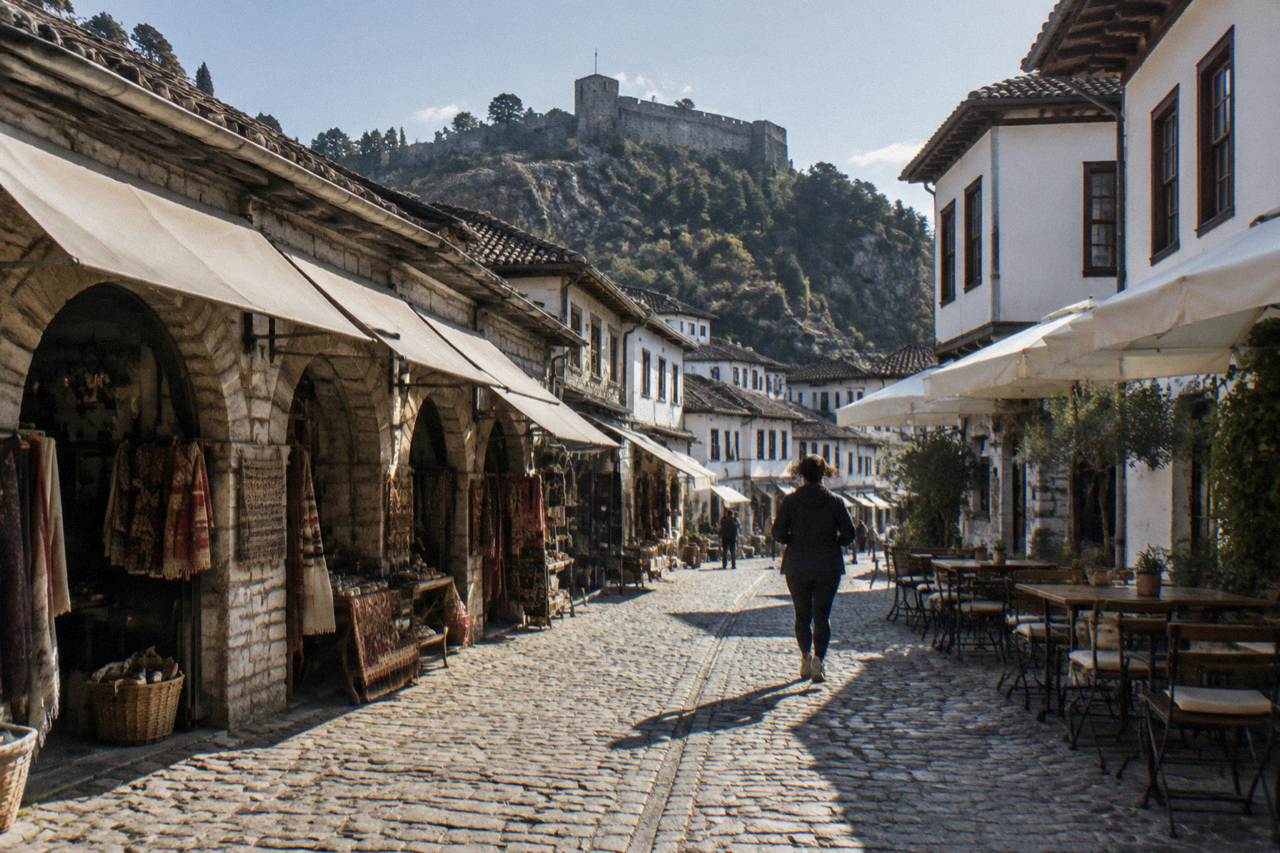
Breakfast in Berat, the UNESCO World Heritage Ottoman hill town on the Osum River in central Albania, is not the cooked spread many visitors expect. It is a quick, savoury meal eaten standing at a bakery counter or a slow family table above the river, and the two versions tell you a lot about how the town works. The bakery opens before the tourists climb to the castle. The guesthouse terrace fills an hour later. By mid-morning the whole question of breakfast has given way to coffee on the boulevard, which in Berat is its own small institution. This page walks through what is actually on the table, what it costs, and how the morning meal fits into a day in the old town.
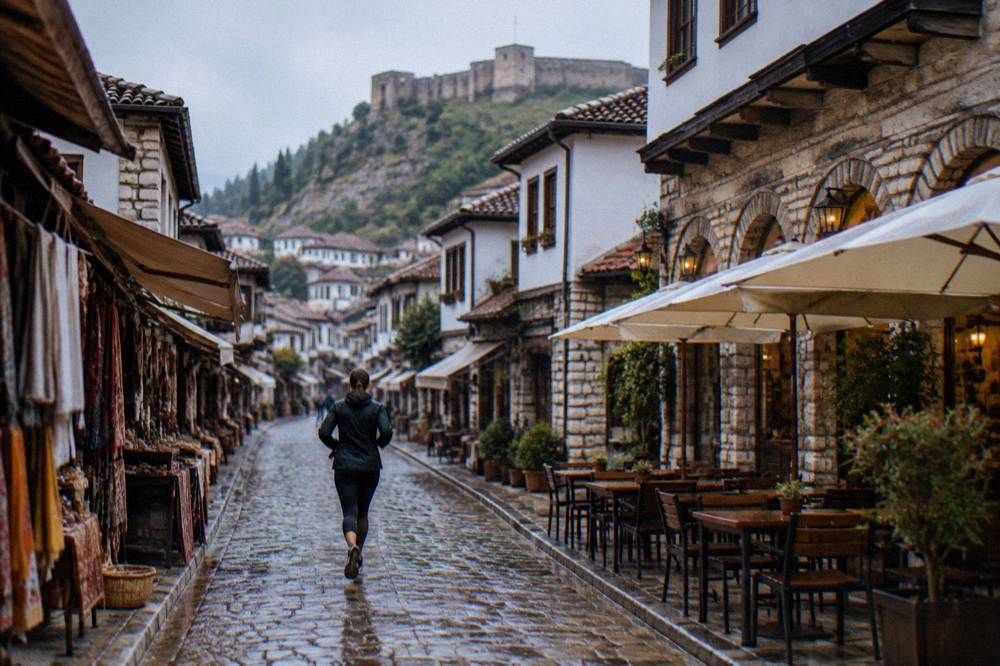
What Is An Albanian Breakfast?
An Albanian breakfast is a light, savoury morning meal built on byrek, a flaky filo pie filled with white cheese, spinach or minced meat, eaten warm from the bakery with strong coffee rather than with a cooked spread. Eggs, bread, cheese, olives, jam and honey appear mostly on guesthouse tables. In Berat, the UNESCO-listed Ottoman hill town in central Albania, the bakery is the real breakfast institution.
Byrek is the anchor. It comes out of the oven in the early morning, cut from a large round tray, and it costs a fraction of what a restaurant breakfast would anywhere in the region. Some people add a glass of dhallë, a thin salted yogurt drink, or a small cup of Turkish coffee. The pie is filling enough that many Albanians treat it as the whole meal and eat again properly at midday.
That midday meal, not breakfast, is where Albanian food culture concentrates. Lunch runs long, and dinner often starts late by northern European habits. Breakfast stays modest by design, and visitors who expect eggs, bacon and pancakes are usually surprised, then converted. For a fuller picture of the cuisine beyond the morning, see what traditional Albanian food really means, because several breakfast dishes reappear later in the day in bigger portions.
| Dish | What It Is | Where You Get It |
|---|---|---|
| Byrek | Warm filo pie with white cheese, spinach or meat | Bakery counters across Berat, from early morning |
| Qifqi | Berat's rice dumplings seasoned with mint and fennel | Old-town kitchens and family guesthouses |
| Japrak | Stuffed vine leaves with rice and herbs | Home kitchens, cooking classes, festival tables |
| Tavë kosi | Lamb baked with yogurt, egg and rice | Traditional restaurants in Mangalem and Gorica |
| Cheese, olives and honey plate | White cheese, local olives, fig jam or honey | Guesthouse breakfast tables |
Where Do Locals In Berat Eat Breakfast?
Most people in Berat eat breakfast away from home: a byrek and an espresso taken standing at a bakery counter on the way to work, or a slow coffee on Bulevardi Republika on weekends. Guesthouse and hotel breakfasts are largely for visitors and are served on terraces above the Osum River, mostly in the Mangalem and Gorica quarters.
The bakery routine is worth joining once, even for one morning. You point at the slice you want, pay a few coins, and eat it warm within a few steps of the tray, usually on the move. Nobody sits down for it, and nobody lingers. The bakeries in the new town serve the same pies as the ones hidden in the lanes of Mangalem, so the version nearest your guesthouse is almost always the right one.
The visitor version happens an hour later and higher up. Guesthouses in Mangalem, Gorica and inside the castle walls lay out bread, white cheese, olives, tomatoes, jam, honey and eggs on a terrace facing the stacked windows the town is famous for. Coffee comes in a small pot or a proper cup, and raki sometimes appears as a morning courtesy. Deciding whether Berat is worth visiting usually takes about one of these terraces and one slow hour above the river.
What Berat does not have is a dedicated breakfast-cafe scene in the international sense. Coffee houses open early and serve drinks, not meals, and most restaurants stay shut until the lunch hour. The absence is not a gap; it reflects the same rhythm you find across the country, where the bakery is breakfast and everything else waits for noon.
How Much Does Breakfast Cost In Berat?
Breakfast in Berat is cheap even by Albanian standards. 90. Tavë kosi at local restaurants is typically listed between 8 and 15 euros. The exchange rate runs at roughly 92 lek to the euro.
In practice a byrek and a coffee together cost less than a newspaper in most of western Europe. Visitors on a modest budget can eat well all day in Berat for what a single breakfast would cost in a capital city, and the lemonade-coloured raki behind the counter is sold by the shot at about 2 euros where it is poured at all. The town remains cash territory, especially in the old quarters, so carry lek rather than planning on cards.
For context on the wider picture of prices across the country, see whether Albania is cheap or expensive, because Berat sits on the affordable side of even Albanian destinations while coastal towns have risen faster.
| Item | Reported Price |
|---|---|
| Byrek with tea | Around 4 euros |
| Tavë kosi at a local restaurant | Typically 8-15 euros |
| Raki, one shot | About 2 euros |
Prices at specific bakeries and restaurants shift with the season and with the tourist months, so treat these as planning ranges and check the chalkboard or the counter. What stays constant is the ordering pattern: point, pay in cash, eat warm, move on.
Do Berat Guesthouses Include Breakfast?
Most guesthouses in Berat include breakfast in the room rate, served on a terrace or in a family dining room rather than as a buffet. The spread is usually bread, white cheese, olives, jam, honey, eggs, tomatoes and coffee or tea, with raki offered as a morning courtesy. It is a home table, generous and unhurried, not a hotel service line.
This is one of the quiet advantages of staying inside the old town instead of commuting in. The family that runs the guesthouse often makes the byrek or the qifqi themselves, and the honey and the fig jam come from relatives in the surrounding villages. Breakfast runs as long as you want it to, and the host will usually draw you a map of the day over the coffee pot.
Staying inside the castle walls takes the arrangement one step further, with a handful of guesthouses operating inside the Kala and a centuries-old building next to the Onufri Museum converting into an eight-room family guesthouse. Vehicle access into the castle quarter is being restricted, with barriers and a smart parking system limiting traffic, so the walk up after breakfast is part of the deal for everyone.
If a guesthouse breakfast is not included, it is almost always available for a small extra charge, and the bakeries below make the fallback trivially easy. Between the two options nobody in Berat goes hungry before noon.
What Makes Breakfast In Berat Different?
Berat's difference is qifqi, the rice dumplings seasoned with mint and fennel that are found almost nowhere else in Albania, plus a dense concentration of family kitchens inside a UNESCO-listed Ottoman town. A Slow Food community is headquartered here and works to keep traditional recipes such as japrak in circulation, so the old town's breakfast table leans local by default rather than by exception.
Qifqi is the dish to ask for by name. The dumplings are pressed in a ridged pan, served at room temperature, and eaten as a snack or a breakfast alongside whatever else is on the table. Visitors encounter them in guesthouses and in family-run kitchens before they ever see them on a printed menu, and the recipe is the kind of thing handed down rather than taught.
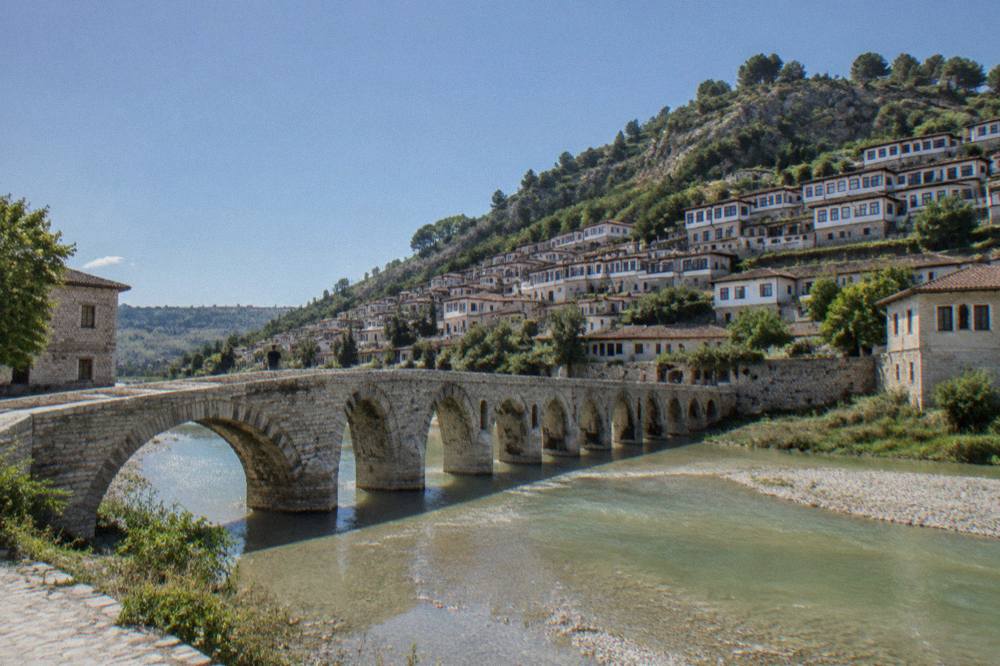
Behind the food sits a town that takes its heritage seriously. Berat forms half of a World Heritage property with Gjirokastra, inscribed as a rare example of a well-preserved Ottoman town, and the same families who restore houses also keep the old recipes alive. For timing a visit around the food calendar, Albania's famous festivals are worth a look, because Berat's own autumn wine event belongs on that list.
What Can You Do After Breakfast In Berat?
After breakfast, most visitors walk uphill to Berat Castle, cross the Gorica Bridge to the Gorica quarter, or book a canyon or lake trip that leaves in the morning. The Osum Canyons near Çorovodë, protected as a natural monument, sit roughly an hour to an hour and a half from town on paved roads, and operators run tubing and rafting trips that depart from Berat.
The morning timing matters more than most visitors expect. Canyon trips and lake day trips collect passengers early, the castle climb is far better done before the summer heat, which can top 40 °C, and the old town's restaurants do not open until lunch anyway. A guesthouse breakfast at eight leaves a workable morning: castle until eleven, bridge and Gorica until noon, then lunch on the Mangalem side.
The Original Osumi Canyon River Tubing Tour is the natural first pick for the day-trip half of that plan, floating the canyons with equipment and guidance included. Check availability before locking the rest of the morning, since departures pair with the meeting point in town. For everything else in the town itself, the Berat Travel Guide site walks every quarter, museum and viewpoint in detail, which is the practical way to fill the hours between breakfast and dinner.
Day-trippers coming up from the coast or down from Tirana tend to do the same morning in reverse, starting with the castle before the crowds and eating a late lunch on the way out. That pattern works because the town is compact; the bakery, the castle gate and the riverbank sit within fifteen minutes of each other on foot.
Is A Big Cooked Breakfast Easy To Find In Berat?
A full cooked breakfast is the exception rather than the rule. Bakeries sell byrek from early morning, most restaurants do not open a breakfast service at all, and the reliable places for a big sit-down morning meal are guesthouses and small hotels, where breakfast is usually included in the rate. A handful of old-town kitchens open from mid-morning onward.
Visitors who need a substantial plate before a day of walking should simply book a guesthouse that serves breakfast and say so when booking. Hosts are flexible, and eggs cooked to order are a smaller ask than a menu would suggest. What the town cannot easily provide is the international cafe breakfast, the all-day eggs-and-pancakes format, because demand has never supported it.
The compromise that works for most people is the two-part morning: byrek and espresso at a counter at eight, then a proper long lunch at one, when tavë kosi and the rest of the regional kitchen come out. Lunch in Berat is a bigger and better meal than any breakfast could be, and eating lightly in the morning leaves room for it.
Common Questions About Albanian Breakfast
What is an Albanian breakfast?
A light, savoury meal centred on byrek, a warm filo pie with cheese, spinach or meat, taken with coffee, often standing at a bakery counter. Guesthouse tables add eggs, white cheese, olives, jam and honey for visitors.
Is breakfast included in Albanian guesthouses?
Usually yes, especially in Berat's old town, where the spread is served family-style and is part of the room rate. Confirm at booking if it matters to your plans.
What is qifqi?
Berat's rice dumplings, pressed in a ridged pan and seasoned with mint and fennel. They are a local specialty eaten as a snack or alongside breakfast, and they are rarely found outside the region.
What time do people eat breakfast in Albania?
Early and fast, typically on the way to work, between seven and nine. The long meal of the day is lunch, which usually starts after one in the afternoon.
Is coffee part of an Albanian breakfast?
Coffee is the fixed point of the morning, whether as a quick espresso at a bakery counter or a long cup on the boulevard. In Berat the two versions rarely overlap in the same customer.
Can you get raki at breakfast in Berat?
Hosts sometimes offer a small shot as a morning courtesy, especially at guesthouse tables. It is a gesture of welcome rather than an expectation, and declining is perfectly normal.