Is Albania Cheap Or Expensive?
Is Albania cheap or expensive? A 2026 cost breakdown for Berat, the UNESCO hill town in central Albania: meals, museums, guesthouses, buses and tours, and where the money actually goes.
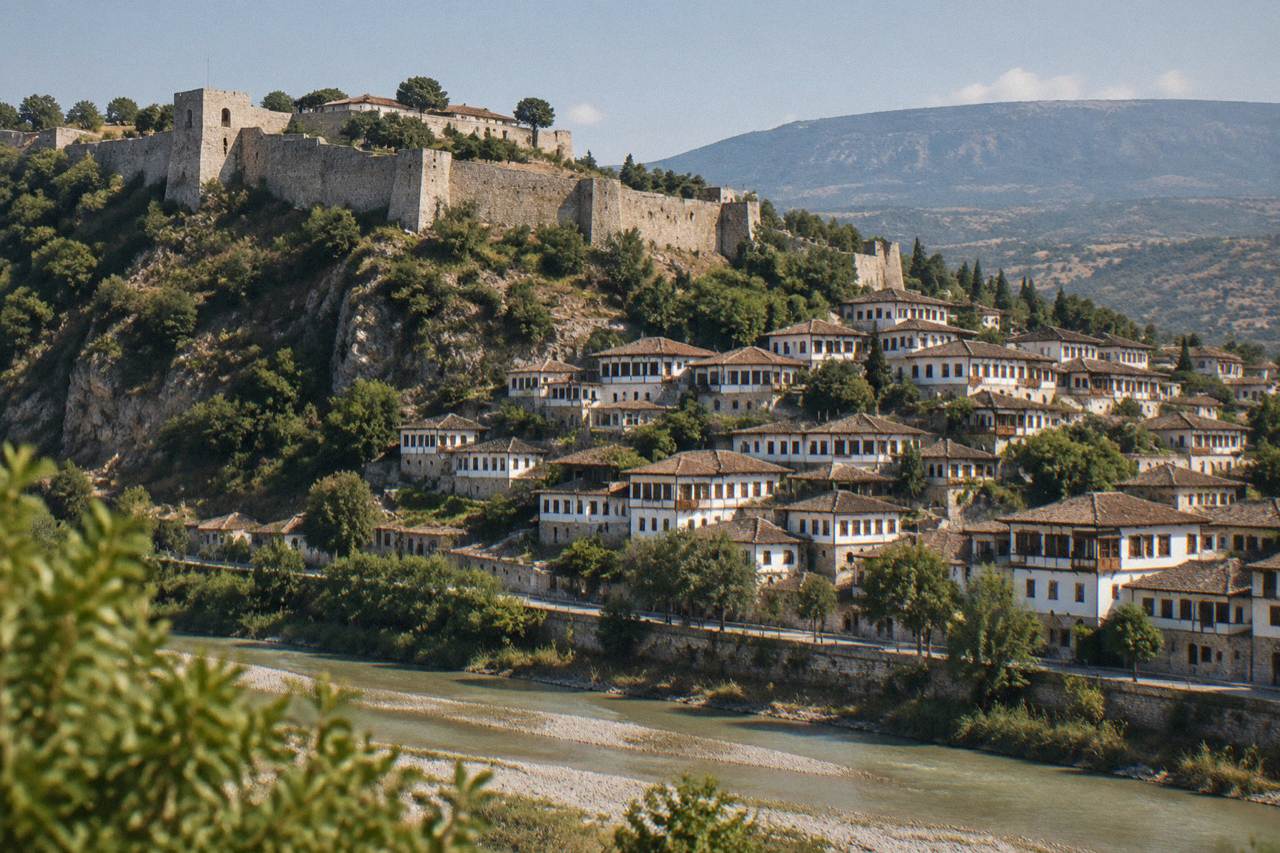
Berat, a UNESCO World Heritage Ottoman-era hill town in central Albania stretched along the Osum River, still serves a full restaurant lunch for about the price of a takeaway coffee in most of Western Europe. Eating out in Berat is cheap by European standards, and you will mostly pay in cash in lek. Those numbers are the short answer to a question that gets asked more every year, because Albania's reputation for being the Balkans' bargain has started to collide with its tourism boom. The honest picture is more interesting than a yes or a no: the country is cheap, parts of it are getting less so, and Berat sits firmly at the affordable end of that divide.
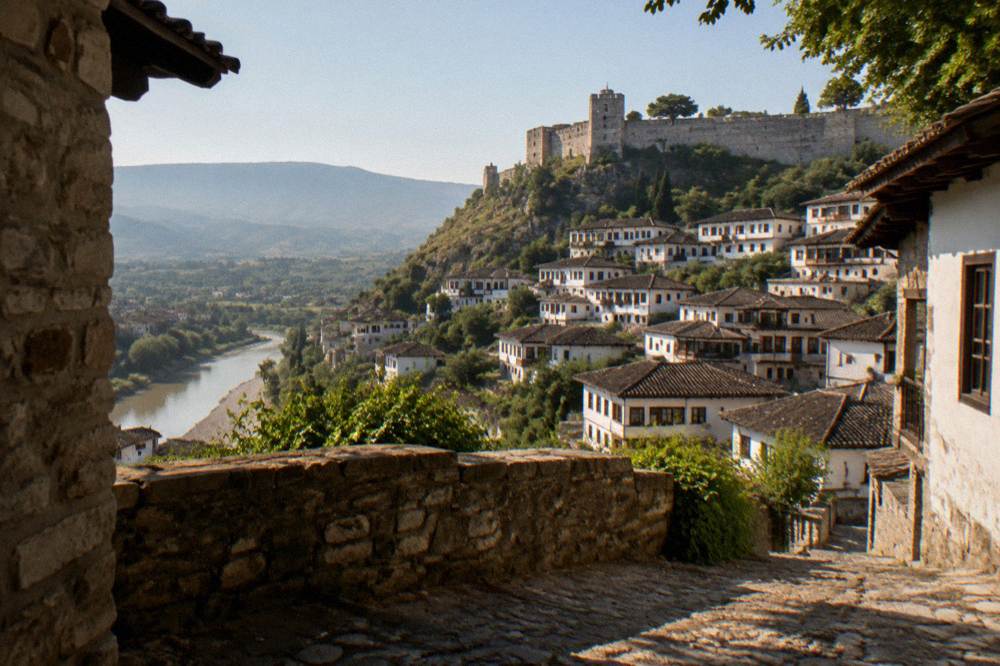
Is Albania Cheap Or Expensive?
Albania remains inexpensive by the standards of most of Europe, and Berat is one of its better value towns. Berat is cheap by European standards, so carry cash in lek.3 percent lifted accommodation and services only modestly. The real costs are coastal peak-season hotels and imported habits, not the town itself.
The currency is the Albanian lek, written ALL, and you will need it. Roughly 92 lek makes one euro at the official rate, and old-town Berat is largely cash territory: guesthouses, small restaurants and market stalls all prefer notes. Euros are sometimes accepted informally by tourism businesses, but the change comes back in lek and the effective rate is usually worse, so paying in the local currency is the cheaper habit.
What makes the country feel cheap is not any single price. It is the stacking of small ones. Museums charge a few hundred lek, buses between cities cost a few hundred more, and the two historic quarters, Mangalem and Gorica, face each other across the river with nothing between them but a walkable old bridge. In a town where the main attraction is the architecture itself, the biggest line in most budgets is not sightseeing but where you sleep and what you book.
That said, the question deserves nuance rather than nostalgia. Albania's tourism-linked sectors drove about 54 percent of the country's price rises recorded in December 2025, and accommodation and services rose 6.5 percent across that year. The direction of travel is upward, which is exactly why whether Berat is worth visiting is a fair question to weigh against its costs, and why this Berat Travel Guide prefers quoting sourced figures over repeating the folklore of "Europe's last bargain".
What Does A Day In Berat Actually Cost?
Day to day, Berat is cheap. The two main museums charge 400 lek and 300 lek. Because the old town is compact and entirely walkable, daily spending is mostly food, tickets and the odd coffee, so many travellers get by on far less than they would in Croatia or Greece.
The everyday figures below come from 2026 price reports and the museums' own official listing; they are typical values rather than guarantees, and individual restaurants vary around them.
| What you are paying for | Typical price in Berat |
|---|---|
| Onufri Iconographic Museum ticket | 400 ALL |
| Ethnographic Museum ticket | 300 ALL |
| Onufri audio guide | 500 ALL |
A few notes make that table more useful than it first looks. The Onufri Museum, inside the castle walls, and the Ethnographic Museum, in a grand Ottoman house in Mangalem, are the two paid museums most visitors actually enter, and both are covered by the same ticket office hours: 9:00 to 18:00 in summer, and a shorter Tuesday-to-Sunday schedule in winter. Children under 12 enter both free, and reduced rates apply for students and ages 12 to 18 with documentation. Getting to the castle on foot costs nothing, though there may be a small fee at the gate in daytime hours, so bring lek.
Food spending depends on how you eat. Local guides quote traditional meals in a rough band from about 3 to 15 euros depending on the venue, with byrek and tea at the bottom of that range and restaurant plates of tavë kosi, lamb baked under a yogurt and egg crust, in the middle. A shot of raki, the local spirit that arrives unasked at the end of many meals, is quoted around 2 euros where it is charged at all. Eating where locals eat, which in Berat is rarely more than two streets from where you are standing, keeps the food bill low without any effort.
Where Does Albania Stay Cheap And Where Does It Not?
Albania stays cheap where life is local and gets expensive where tourism concentrates. Old-town Berat remains largely cash territory where lek goes far, standalone ATMs charge roughly 500 to 800 lek per foreign-card withdrawal, and the coast, not the hill towns, saw the sharp rises, with Riviera hotels quoted at 80 to 250 euros or more at peak. Away from the August coast, prices stay gentle.
The geography of the price rise matters more than the average. Reporting on the 2025 and 2026 seasons describes modest increases in Berat and Gjirokastra but sharply higher coastal prices, especially along the Riviera in July and August. The practical translation is simple: the months and places that everyone photographs at sunset are the months and places that cost the most, and the inland UNESCO towns are where the same holiday budget buys noticeably more.
Payment habits are the second lever. Cards are accepted at some hotels and larger businesses, but a traveller who assumes card coverage everywhere will run into the cash reality of Mangalem's lanes within a day. Bank-branch ATMs are the safer withdrawal choice, since standalone machines commonly charge foreign cards 500 to 800 lek a time, a fee that quietly eats a cheap meal if you withdraw small amounts often. There is no Berat tourist tax or visitor levy of the kind other European heritage towns charge, so the price of the town itself is genuinely just what you eat, sleep and book.
For coastal visitors, the cost question usually arrives as a day-trip decision. The Berat UNESCO City, Castle and Mangalem day trip from Tirana, Durres or Golem bundles the castle, the old quarter and round-trip transport into a single booking, which is often cheaper in money and always cheaper in hassle than renting a car for the day, and it can be held with free cancellation through the operator's live listing Check availability.
How Much Do Berat Tours And Experiences Cost?
Tour prices are the one part of a Berat trip that can add up, but this page deliberately shows no typed figures: every price, rating and duration renders live from the operator's listing, so nothing goes stale. Broadly, shared day trips from Tirana, Durres and Golem sit at the budget end, guided walks and tastings in the middle, and private full-day bookings at the top. A free, tip-based walk covers the basics for whatever you choose to tip.
The town's tour market has matured into three clear tiers, and knowing which tier you are shopping in saves more money than any single hack. At the bottom sit the shared day trips from the Tirana area and the coast, which stack a whole coach of travellers into one departure and price accordingly. In the middle are the small-group experiences, food walks, wine tastings and cooking classes, where the price reflects a guide, a vehicle and a table. At the top are private tours, which buy flexibility and a car to yourself.
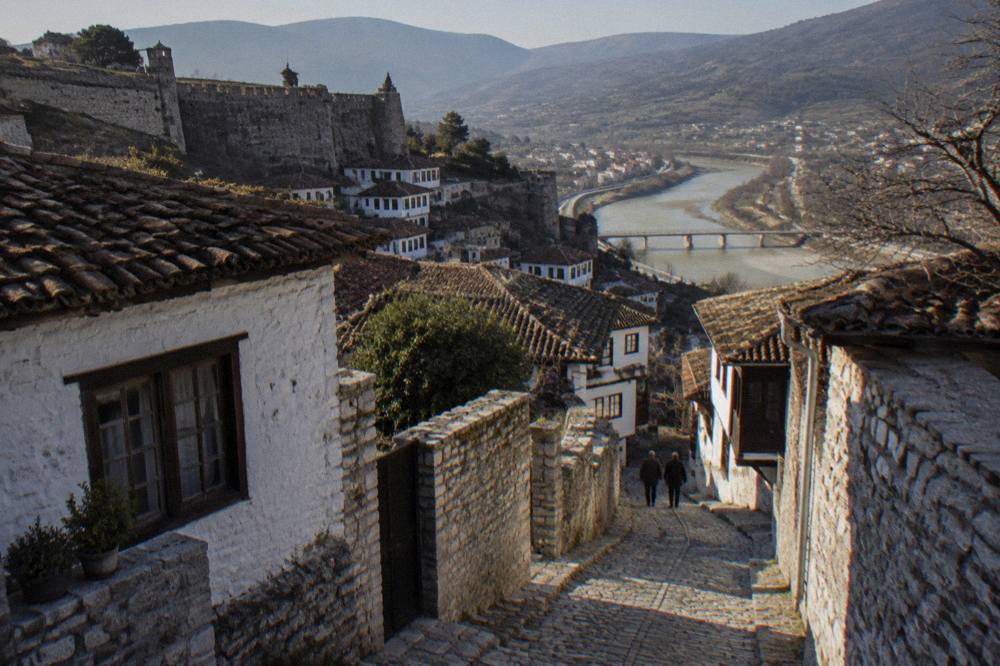
The free tier deserves a special mention, because it is genuinely free rather than discounted. GuruWalk lists several tip-based walking tours of Berat led by local guides, including a well-reviewed Old Town history, art and culture walk; the price is zero and the guide is tipped at the end for whatever the walk felt worth. For a first evening in town, it is the cheapest possible orientation, and it costs less than the espresso you will drink on it.
The wine tier is where Berat quietly outperforms its price class. The Berat Guided Winery Tour with Transfers and Tastings is a good example of the format: transfers out to a family winery in the surrounding hills, a tasting of local varieties such as Shesh i Zi and the rare Berat-area white Puls, and snacks along the way. The figure is on the live listing rather than repeated here, but this style of half-day experience is priced far below the equivalent in most wine regions, and the vineyards around Roshnik have invested in tasting rooms in the last two seasons.
Is Berat Cheaper Than The Albanian Coast?
Berat and Gjirokastra are the value end of Albania, and the coast is the expensive end. Guesthouse and hotel prices in Berat are cheap by European standards, paid in cash in lek, while Riviera hotels run 80 to 250 euros or more at the summer peak. The gap between the hill towns and the coast is the single biggest cost difference in the country.
Accommodation is the line that moves most, so it is worth seeing the current ranges side by side.
| Where you sleep in Berat | Typical nightly rate in 2026 listings |
|---|---|
| Typical guesthouse | cheap by European standards |
| Average hotel | a wide range depending on season, higher in high season |
Two caveats keep that table honest. High season in Berat, roughly July and August, pushes rates toward the top of those ranges and above them, exactly when the coast is at its most expensive, so the money saved by choosing the hill town is largest precisely when most people travel. And the character of what you buy differs: the guesthouses inside the castle walls and the restored Ottoman houses of Gorica are the point of staying in Berat, not a compromise, which is why how many days to spend in Berat is worth deciding before you book rather than after.
The other comparison travellers ask for is timing. The town's climate runs hot and dry in summer and wetter in winter, and summer heat can top 40 °C, so the shoulder months deliver better walking weather and better rates together, a pairing laid out in the guide to the best month to visit Berat. Cheap, in other words, is not only a place but a calendar.
Why Is Berat Still Such Good Value?
Berat is cheap partly because demand still lags its quality. The Onufri Museum counted 58,912 visitors between January and July 2026, up 16 percent on the same period of 2025, healthy numbers for a town museum but tiny beside coastal resort traffic. With tourism-linked sectors driving about 54 percent of December 2025 price rises nationally, Berat has room before prices catch up with its looks.
There is a structural reason the town stays affordable that no aggregator mentions. A new 290-metre EU-funded bridge over the Osum, completed in 2025, diverts through traffic away from the historic centre, part of a wider plan to protect the World Heritage property by managing cars and development pressure rather than monetising the view. The same logic applies to prices: the town is being positioned as a heritage destination rather than a resort strip, and heritage destinations in Albania still cost lek, not euros.
Supply is the second quiet factor. Guesthouses keep opening, including a conversion of a centuries-old building inside the castle walls into an eight-room family guesthouse, which adds beds exactly where demand is growing instead of letting scarcity push rates up. Meanwhile the question of which is better, Gjirokaster or Berat is answered by budget more often than travellers expect, since the two towns price similarly and the coast does not.
How Can You Keep Costs Down In Berat?
Keeping costs down in Berat is mostly timing and payment habits. Visit the Onufri or the Ethnographic Museum on a free day, 18 April, 18 May, 21 May or 29 September, arrive outside the July and August peak, pay in lek rather than euros, withdraw from bank ATMs rather than standalone machines, eat where byrek and tavë kosi are made for locals, and start with a free, tip-based walking tour before deciding what is worth paying for.
Most of the saving happens before you spend anything. Arriving by bus rather than rental car is the single biggest cut, with intercity buses from Tirana costing a few hundred lek in cash; the practicalities, including their reliability, are covered in the guide to how reliable buses in Albania are. Walking the whole town needs no plan and no ticket: Mangalem, Gorica, the castle approach and the riverbank all connect on foot in under an hour.
The rest is choosing what to pay for at all. The castle grounds are the town's headline free walk outside staffed hours, the riverside promenade costs nothing, and the layered views that made the town famous are earned by walking uphill rather than by paying an operator. Paid experiences then become deliberate choices: one winery afternoon, one cooking class, one day trip, each booked on a listing whose price is live rather than remembered. Approach the season with the same logic as the guide to the best month to go to Albania, spend on the two or three things that genuinely need a guide, and Berat stays one of the least expensive World Heritage towns you can visit.
Common Questions About Albanian Travel Costs
Is Albania cheap or expensive?
Cheap by most European standards, with expensive pockets. In Berat a restaurant meal and a cappuccino are cheap by European standards and you will need cash in lek, while coastal hotels cost more in the July and August peak. Inland heritage towns remain the affordable end of the country.
How much does a day in Berat cost?
With a cheap meal, an inexpensive coffee and both main museum tickets at 700 lek combined, a sightseeing day without a paid tour can land in the low thousands of lek before accommodation. Add a modestly priced guesthouse and a full day still costs less than a hotel room alone in much of Europe.
Do I need cash in Berat?
Yes, mostly. The old town and Mangalem are largely cash territory, so carry lek. Bank-branch ATMs are the safer option, since standalone machines commonly charge foreign cards 500 to 800 lek per withdrawal. Euros are sometimes accepted informally, but change comes back in lek and the effective rate is usually worse.
Are Berat's museums expensive?
No. The Onufri Iconographic Museum charges 400 lek, the Ethnographic Museum 300 lek, and the Onufri audio guide 500 lek. Children under 12 enter free, and reduced rates apply for students and ages 12 to 18 with documentation. The museums open free to everyone on 18 April, 18 May, 21 May and 29 September.
When is Berat cheapest to visit?
Outside July and August. Peak summer brings the highest guesthouse rates and heat that can top 40 °C, while the shoulder months combine milder walking weather with lower prices and thinner crowds. Timing the free museum days in April, May and late September stacks another saving on top.