Are There Any Areas To Avoid In Albania?
A plain answer for Berat and Albania: which areas genuinely call for caution, which warnings are routine, and how to stay safe in the City of a Thousand Windows.
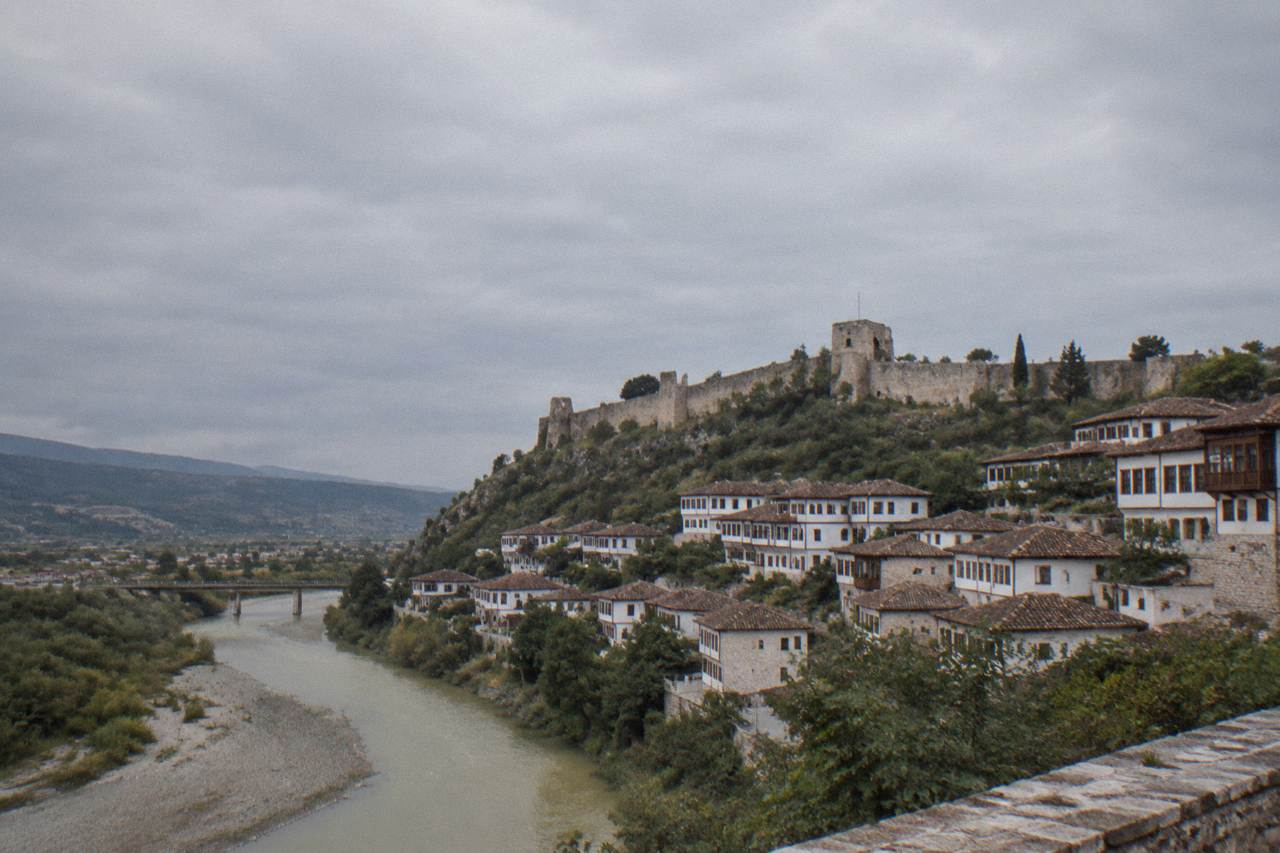
Berat, the UNESCO World Heritage Ottoman-era hill town in central Albania on the Osum River, is the kind of place where the main safety worry is the steep cobbled walk up to the castle, not the neighbourhood you chose. Travellers arrive having read alarming headlines about organised crime in Albania and then spend their trip drinking coffee on Bulevardi Republika wondering what the fuss was about. The honest answer about areas to avoid has two layers: there are very few places a visitor should genuinely steer clear of, and there are a handful of habits and regions, mostly tied to borders, mountain roads and late-night city scenes, that deserve more care than a headline can convey.
Are There Any Areas To Avoid In Albania?
No part of Albania is formally off limits to travellers, and no government currently advises against visiting any area of the country. The UK Foreign Office guidance carries no warning against travel to any part of Albania, and the US State Department holds the country at Level 2, which means exercising increased caution because of crime. For a visitor, that translates into normal urban caution at night, care with valuables and a healthy respect for mountain roads, rather than a map of forbidden zones.
The question behind the question is usually "am I going somewhere dangerous?" and the honest reporting answer is that Albania's reputation runs years behind its reality. The crime that drives the Level 2 advisory is overwhelmingly domestic and organised, concentrated in drug networks and fraud, not in incidents targeting tourists. A 2026 security report on the country noted overall crime rising about 17 percent between 2024 and 2025 while violent crime fell for a fifth straight year. Reports of crimes against foreign visitors remain rare enough that the UK guidance mentions them as an exception, not a pattern.
That said, "rare" is not "never", and the practical cautions are the ones you would apply in Tirana, Durrës or any Balkan capital: watch bags in crowds and on night buses, be sceptical of overly friendly strangers steering you toward a specific bar or taxi, and keep phones off café tables after dark. In Berat itself, the old quarters of Mangalem and Gorica are calm, walkable and busy with other visitors well into the evening, and the town's pace is closer to a provincial market town than a capital.
| Advisory source | What it actually says |
|---|---|
| UK Foreign Office (FCDO) | No advice against travel to any part of Albania; crime and violence exist but reports targeting foreigners are rare |
| US State Department | Level 2: Exercise Increased Caution due to crime; no regional restrictions listed |
For deeper planning, our companion piece on things to be careful of in Albania covers scams, strays and road habits in more detail than one page can.
Is Berat And Central Albania Safe To Walk Around?
Berat is one of the safest-feeling towns a first-time visitor to Albania can choose. The historic centre is small, pedestrian-friendly and lit in the evenings, and the two old quarters on either side of the Osum are working neighbourhoods where people sit outside until late in summer. The realistic cautions are physical rather than criminal: the climb to the castle is steep and cobbled, summer heat can top 40 degrees, and surfaces get slick after rain.
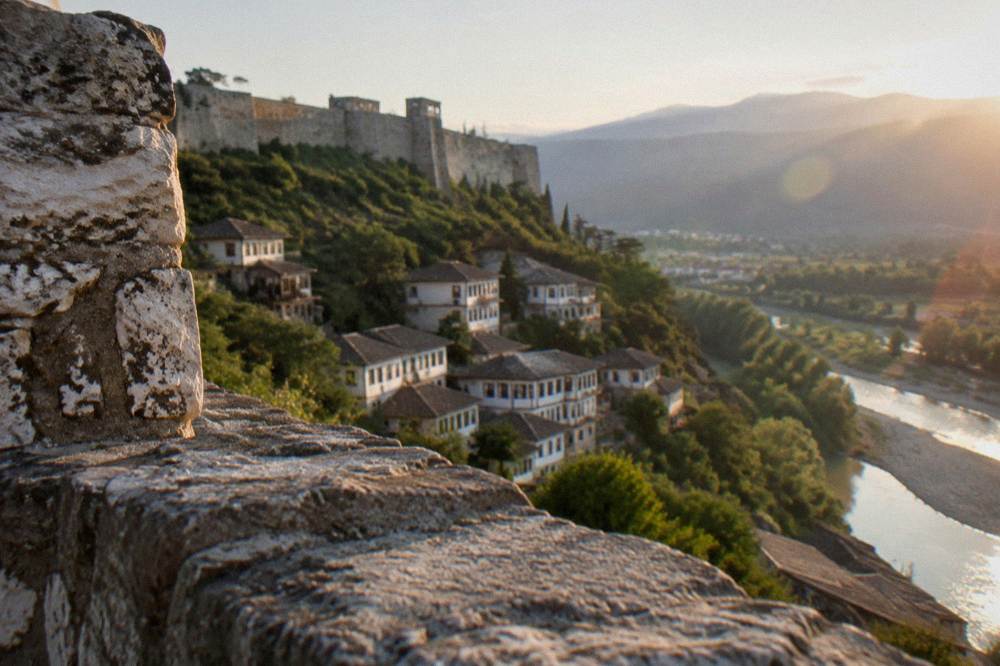
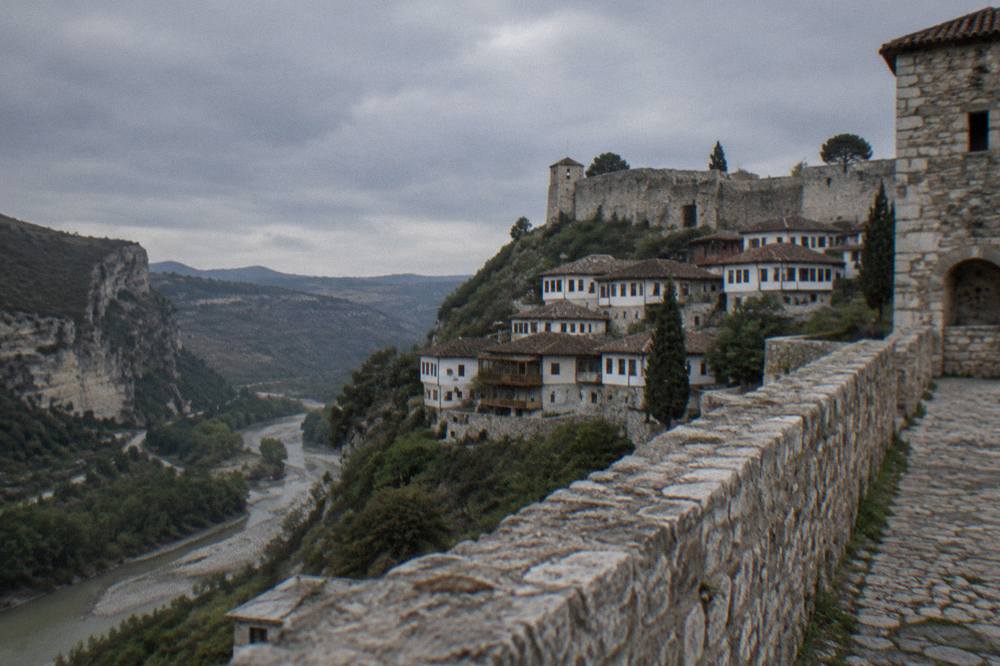
The castle quarter, the Kala, deserves a specific note because it is a lived-in neighbourhood rather than a monument. Car access into the castle quarter is being restricted; plan to park below and walk up. The practical effect for a visitor is positive: fewer cars on the narrow lanes, but also a need to park below and walk up if you are not staying inside the walls. Anyone with mobility concerns should plan for that climb rather than discover it at the gate.
Summer heat is the other real hazard. On 20 July 2026 Berat recorded the highest temperature readings in the country on the hottest day of the year, with shade values reported around 42 degrees. Hiking the castle walls or the Gorica side in the early afternoon of a July day is genuinely unpleasant and, for older visitors, riskier than any crime statistic. Do the uphill walking before noon, take the afternoon like a local, and carry water.
Berat's growth as a destination has not changed its character. The town's population was 62,232 at the 2023 census, and its prefecture recorded the smallest population decline of any declining prefecture in Albania between 2011 and 2023. This is a stable, lived-in town, and the presence of guesthouses inside the castle walls, including a new eight-room conversion next to the Onufri Museum, means there are people around at all hours.
If you are building a first itinerary, our guide to how many days to spend in Berat helps you pace the castle, the museums and the river without rushing the hill climbs.
Which Specific Places In Albania Call For Extra Care?
The areas that genuinely warrant caution are the mountainous border zones in the north and east, particularly around the Kosovo border, where infrastructure is thin and unexploded military material has historically been reported; remote river canyons entered without a guide; and the late-night zones of the big cities, mainly Tirana's outskirts, where opportunistic street crime concentrates after dark. None are tourist essentials, and none are near Berat.
The north of Albania, the Accursed Mountains around Theth and Valbona, is spectacular and increasingly popular, but it is serious hiking country. Trails are not always signed, weather turns fast, and mobile coverage drops in the valleys. The caution is not the people, who are famously hospitable, but the terrain: go with a guide or a well-researched route, and do not treat a day hike near the border like a stroll. Old military signs about unexploded ordnance near remote border areas should simply be obeyed, not photographed close up. The rest of the planning pages sit on Berat Travel Guide.
River country needs the same respect. The Osum Canyons near Çorovodë, a protected natural monument in the Skrapar region south of Berat, are a magnet for rafting and tubing, and the water is the hazard, not the neighbourhood. Operators run rafting trips in spring when snowmelt fills the canyon and shift to tubing as levels drop through summer and autumn; a February 2026 incident near the Blezënka Bridge, in which a 42-year-old local man drowned, underlines why swimming in a snowmelt canyon alone is never wise. Rim viewpoints such as Vrima e Nuses are free to visit and safe from the road, but going down to the water should happen with an operator.
City nightlife is the third genuine category. Tirana's central bars and Blloku are relaxed, but the late-night zone on the ring roads and around isolated clubs, anywhere a lone taxi ride ends far from other people, is where bag snatching and drdrink-spiking style scams reported across the Balkans tend to sit. The fix is boring and effective: keep your phone in a zipped pocket, agree the taxi price before you get in, and leave with the people you arrived with.
Visitors who prefer structure on the outdoor days can join a small-group excursion such as the Berat Castle and Old Town small-group tour, which pairs the castle walk with the lower town in one guided loop.
For a wider read on the country's friendliness toward visitors, our page on whether Albania is friendly to Americans collects the practical side of arriving, tipping and small talk without the myths.
What About Roads, Taxis And Handling Money In Albania?
The single biggest safety risk to a visitor in Albania is the road, not any neighbourhood. Rural and mountain roads mix pedestrians, livestock, aggressive overtaking and patchy surfaces, so night driving outside cities is best avoided. On money, use bank ATMs rather than standalone machines, count your change, and avoid informal street exchange kiosks; Berat police took eleven security measures against unlicensed currency exchangers in a single July 2026 operation.
Roads deserve their reputation. The drive from Tirana to Berat takes about two and a half hours and the main routes are reasonable, but the final stretches into the hills, the road toward Çorovodë or the switchbacks up Mount Tomorr, are winding, sometimes narrow and shared with everything from tractors to flocks. Drive in daylight, expect the unexpected on blind corners, and if a local overtakes you into a bend, let them go. A related note for Berat visitors specifically: the road up to the castle, the kalldrëm, has been under repair since April 2026 after damage to the cobbles, and the Berat-Ballaban road toward Tomorr was still finishing its asphalt, signage and barriers as of September 2026.
Money matters because cash still rules the old town. Cards are accepted at some hotels and larger restaurants, but Mangalem and the castle quarter remain largely cash territory in lek, the Albanian currency, which runs at roughly 92 lek to the euro. Foreign-card fees at Albanian ATMs commonly land in the 500 to 800 lek range per withdrawal, so taking out larger amounts less often beats drip withdrawals. The unlicensed-exchange problem is real enough that police in Berat seized millions of lek and thousands of euros in that July 2026 operation, so the rule is simple: change money in a bank or use an ATM, never a man with a stack of bills on the street.
| Everyday risk in Berat | The realistic caution | The simple fix |
|---|---|---|
| Cash-only guesthouses and cafés | Old town runs largely on lek; cards patchy | Withdraw from a bank ATM, carry small notes |
| Steep castle climb in summer heat | Uphill cobbles, midday temperatures that can pass 40 degrees | Walk up before noon, carry water |
| Standalone ATMs and street exchange | Fees of roughly 500 to 800 lek on foreign cards; unlicensed exchangers targeted by police | Use bank machines and bank counters only |
| Night driving in the hills | Winding roads, pedestrians, livestock, patchy surfaces | Finish drives in daylight |
Emergency numbers are worth saving before you need them: 112 is the general emergency number and works from any phone, including one without credit, with English often available, while 127 reaches an ambulance, 128 the fire service and 129 the police. Tap water divides opinion, with municipal supply in Berat described as generally treatable in some sources and bottled water recommended in others, so most visitors simply buy bottles, which cost very little.
The reassurance line that matters here: every transaction and tour booking on this site's featured roster comes with the operator's live listing, and cancellation terms are on that listing before you pay anything.
How To Enjoy Berat's Outdoor Side Without Extra Risk
The outdoor trips around Berat, canyon rafting, tubing, waterfall walks and mountain days, are the activities where planning replaces caution with fun. Go with licensed operators who supply equipment and guides, book the water activity that matches the season, spring rafting on snowmelt, summer tubing on calm water, and tell someone where you are going if you head for trails alone. The risks here are cold water, heat and footing, not people.
The Osum canyon season is a good example of how the right tour removes the risk. In spring, the snowmelt makes the canyon a genuine rafting run, and operators shift to tubing as levels drop toward midsummer; by late June the water is calmer, the air is hot and the swim stops are the point. A guided trip bundles the equipment, the transport from Berat, which is an hour or so on paved roads toward Çorovodë, and a crew who know which stretches are safe that week. This site's featured trip, the Berat Osumi Canyon seasonal adventure, runs exactly that format, rafting or tubing depending on the month, and you can Check availability on the operator's live listing for your dates.
The Bogove waterfall walk, in Tomorr Mountain National Park, is the gentle version: a short forest trail from Bogovë village to a falls and pool, easy enough that families do it, but still a trail, so shoes with grip beat flip-flops. On the mountain itself, note that Tomorr's peak stands 2,416 metres and the annual Bektashi pilgrimage to the Abbas Ali tomb fills the upper road in late August, roughly 18 to 25 August in 2026, when traffic restrictions around Kulmak Tekke are in force. Visiting the mountain in pilgrimage week is unforgettable but slow; outside it, the new road has cut the drive to the shrine dramatically, and a February 2026 fire that burned pine on the mountain is a reminder that dry-season open flames are taken seriously here.
Stray dogs are the one street-level nuisance worth naming, especially around the edges of town and on rural walks; give unfamiliar dogs space and do not run. Rabies vaccination is recommended for travellers spending long periods outdoors in the country, which tells you the official view of the risk level without dramatising it. For most visitors a friendly "no" and a wide berth settle the matter.
Berat rewards exactly the kind of trip this page has been describing: slow mornings, guided water days, cash in the pocket and no night driving. If you are weighing whether the country deserves its reputation at all, start with is Berat, Albania worth visiting, and if you are still comparing destinations, which is the best country to visit on the Balkans puts Albania next to its neighbours honestly. A final word on this site's own approach: the Berat Travel Guide exists to report the town and region as they are, cautions included, so that a first visit lands well.
Common Questions About Avoiding Areas In Albania
Are there any areas to avoid in Albania?
No area is formally off limits. Use extra care in remote northern and eastern border zones, on mountain roads at night, and in late-night club districts of the big cities. Berat and the main tourist towns need only ordinary caution.
Is Berat safe at night?
Yes. Mangalem, Gorica and the castle approach are calm and lit, with guesthouses and restaurants active into the evening. Take the usual care with bags and phones, and mind the steep, uneven cobbles on the walk up to the castle after dark.
Are taxis and public transport safe in Albania?
Yes, with normal habits. Buses and furgons between cities are widely used and inexpensive; agree taxi prices before setting off, or use a hotel-called car. The bigger risk is road traffic itself, so prefer daylight journeys on rural routes.
Is the water at Osumi Canyon dangerous?
The water is powerful in spring snowmelt and calm by midsummer, which is why rafting runs early and tubing later in the season. Go with an operator who supplies equipment and guides, and swim only where your guide says it is safe.
What should I be most careful of in Berat?
Physical hazards first: the steep castle climb, summer heat that can pass 40 degrees, and slick stone after rain. Then the everyday ones: cash-only businesses, bank ATMs over street exchange, and stray dogs on rural walks.
Do I need to worry about the police operations I read about?
No. The 2026 Berat operations, against unlicensed exchange and drug sales, involved no tourist victims and are ordinary policing. They are a reason to use banks and licensed services, not a reason to avoid the town.