What Is Not Polite In Albania?
A practical guide to Albanian etiquette for visitors to Berat and beyond: hospitality, toasting, dress, tipping and the small habits that read as rude.
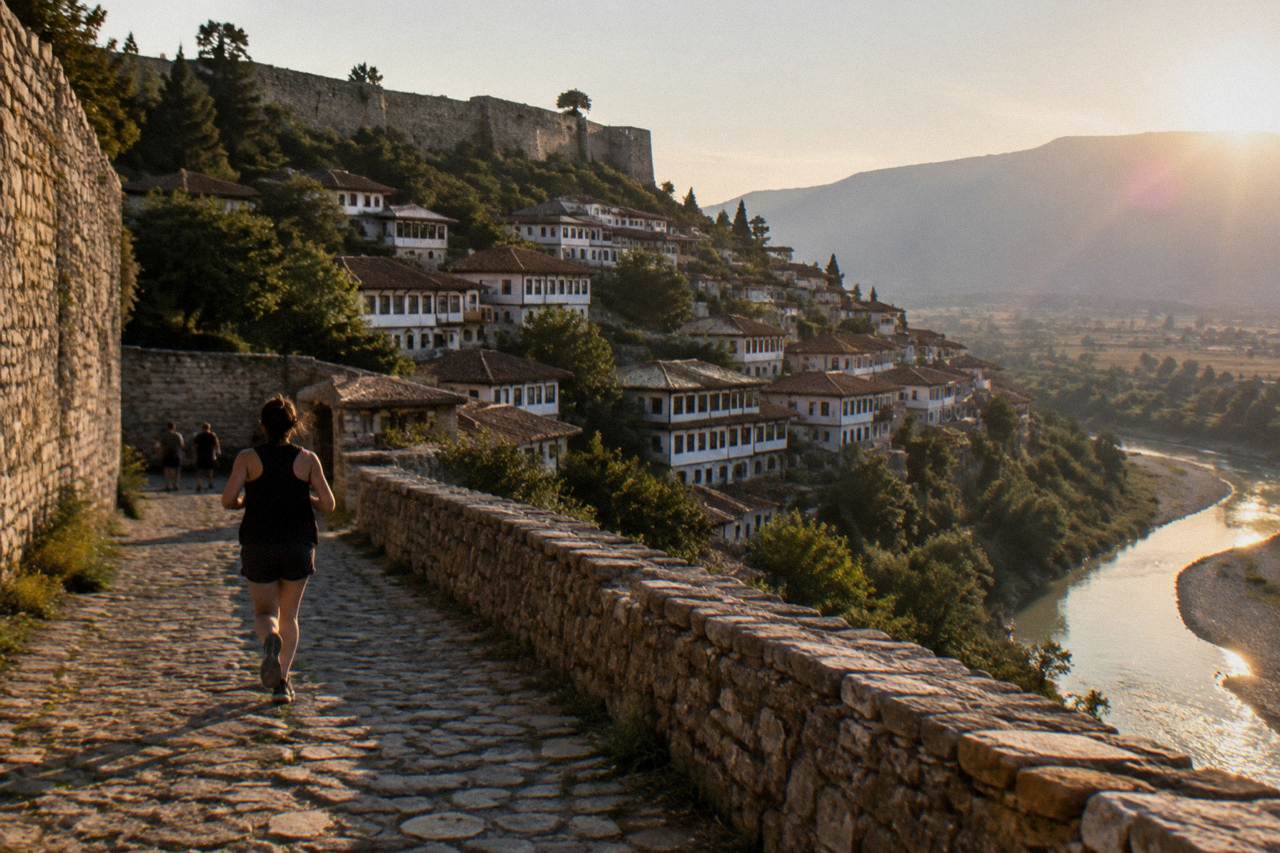
Berat, in central Albania, is a UNESCO World Heritage Ottoman-era town on the Osum River whose residents still live inside the historic scenery, and they will almost certainly offer you coffee within minutes of meeting you. Albanian hospitality is famously generous, which is exactly why a few small missteps stand out so sharply. This page covers what is not polite in Albania, from refusing an invitation too bluntly to toasting with the wrong hand, with specific notes for Berat's mosques, museums and lived-in old quarters.
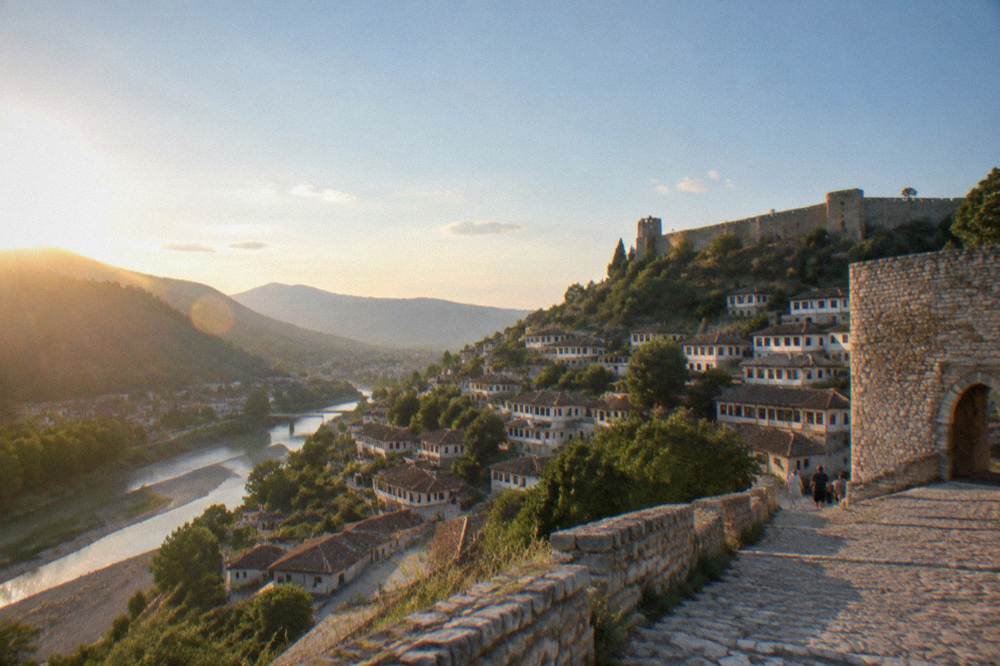
What Is Not Polite In Albania?
The clearest breaches of Albanian politeness are refusing offered food, coffee or rakija outright; pointing at people; entering a mosque or church in beachwear; photographing strangers without asking; toasting without eye contact; haggling hard in tiny family-run shops; and raising regional politics, religion or the communist past unprompted. None of these will get you thrown out. Most locals will smooth over the moment and stay warm, but they all register, and each one is easy to avoid.
Albanian society runs on a code the locals call besa, roughly honour plus hospitality plus keeping your word to guests. A stranger at the door is traditionally a gift, not an intrusion, and in Berat's Mangalem and Gorica quarters that attitude survives in daily life: shopkeepers greet you when you pass, grandmothers wave you toward the right lane up to the castle, and refusing a glass of anything can quietly wound. The etiquette that matters here is less a list of formal rules than a habit of noticing the person in front of you.
| Behaviour | How it reads locally | What to do instead |
|---|---|---|
| Declining coffee or food flatly | A rejection of welcome, not just the drink | Accept a small portion, or apologize warmly and explain |
| Wearing beachwear into a mosque or church | Disrespect toward the space | Cover shoulders and knees, carry a scarf |
| Photographing people without asking | Intrusive, especially elders | Ask with a gesture or a smile first |
| Toasting without looking the other person in the eye | Careless at best, unlucky at worst | Raise the glass, meet their eyes, say gëzuar |
| Hard bargaining in a family shop | An insult to their fairness | Pay the stated price in small shops, haggle only at markets |
| Pointing with a finger at a person | Rude in most of the Balkans | Gesture with an open hand instead |
A word on tone: Albanians separate you, the visitor, from any opinions they hold about governments, borders or history. Keep the separation intact. A question like "which is better, Greece or Albania?" asked in a bar in Berat may start a friendly argument, but raising it as an outsider with strong opinions of your own rarely lands well.
Hospitality, Invitations, And Guest Culture
Refusing an invitation outright is the single rudest thing you can do in Albania. If a family or guesthouse host offers coffee, sweets, a meal or a seat in the shade, the polite move is to accept at least a taste, thank them by name if you can, and stay a few minutes longer than feels natural to a northern European. Leaving immediately after eating, declining a toast, or wandering off mid-conversation all read as coldness, because the offer was the whole point.
The guest role in Albania carries an old weight. Under the traditional code of besa, a host is responsible for a guest's comfort and even safety, and the guest in return honours the host by accepting. Bread and salt appear across the Balkans as the basic symbols of that welcome, and in a Berat guesthouse breakfast the same idea shows up as homemade jam, byrek warm from the oven, and a small glass of raki set down beside your coffee before you have asked for anything. Saying "no, thank you" to all of it is technically allowed and socially odd.
If you are invited into a private home, a few habits matter. Take off your shoes if the family does, or ask with a gesture toward your footwear. Bring something small: fruit, sweets, or something for children if you know they exist. Do not praise a single object too extravagantly, because an Albanian host may genuinely try to give it to you, and accepting it can embarrass everyone. Compliment the food instead, and eat more of it than seems reasonable. That is the point.
Patience is politeness too. Albanian conversation runs long, farewells run longer, and a host walking you to the gate and standing there while you disappear down the lane is normal, not a cue to sprint off with a wave. For a sense of how warmly Americans in particular are received, see our page on whether Albania is friendly to Americans. The short answer is that friendliness is rarely the problem; the problem is knowing how to receive it, which is what the rest of this page is for.
Dining, Toasting, And Tipping
At the table, the impolite acts are eating before the eldest person starts, toasting without eye contact, leaving the table mid-toast, drinking alone while others are not served, and treating the waiter as invisible. Tipping is not obligatory but is appreciated; rounding up a bill or leaving a modest extra amount in lek is the local way, while arguing loudly over a small sum is genuinely rude. Rakija is offered as friendship, and a flat refusal stings more than a polite sip.
Toasting is the spine of an Albanian meal. The word is gëzuar, meaning roughly "to your joy," and the mechanics matter: lift the glass, look each person in the eye as you touch glasses, and never cross arms with someone else's reach if you can avoid it, since crossed glasses are read as bad luck in much of the Balkans. Wait for the toast before the first sip of anything alcoholic, and if a local offers you a toast, return it warmly rather than deflecting with a joke. The wider set of guides lives on Berat Travel Guide.
Drinking itself deserves a note. Home-distilled raki, grape or mulberry, is poured in small glasses and treated as a gesture, not a beverage to be drained on request after request. Our article on whether Albanians drink alcohol covers how normal moderate drinking is and how Muslim and Christian households alike keep the custom, so declining on religious grounds will not offend anyone either, as long as you decline softly rather than with a lecture.
Tipping sits somewhere between optional and expected depending on where you are. In a family restaurant, rounding the bill upward or leaving a few hundred lek is a kind gesture; in a slicker place on the new town boulevard, service charge habits drift toward European norms. Do not turn the tip into a spectacle, neither the theatrical refusal nor the flashy over-generosity. Quiet and proportionate is the polite register.
Guided experiences are a good place to watch the etiquette in action rather than guess at it. The Berat UNESCO Heritage and Belshi Lake day tour from Tirana pairs the old quarters with a lake stop and a local guide, which means you see how residents actually greet, serve and farewell each other, Check availability on the operator's live listing before you commit. Two similar day formats are the Tirana, Durres, Golem UNESCO and Belshi Lake day tour and the Durres and Golem heritage day tour to Mangalem, both of which drop you into the same courteous rhythm of coffee, guiding and long goodbyes.
Dress, Homes, And Sacred Spaces
Dressing carelessly for sacred or semi-sacred spaces is the fastest way to look rude in Berat. Shorts and bare shoulders are fine on the boulevard in summer heat, but not inside the King Mosque, the Lead Mosque, the churches of the castle, or the museums. The Kala is a lived-in neighbourhood with families and guesthouses behind every gate, so treat alleys as someone's front yard: keep noise down at night, do not lean through windows for photos, and ask before you shoot a doorway.
Berat's museum churches are working religious sites before they are attractions. The Onufri Iconographic Museum sits inside the Church of the Holy Virgin inside the castle walls, and the visitor volume is large enough that behaviour inside genuinely affects other people. An individual ticket costs 400 lek, an audio guide 500 lek, and opening hours shift seasonally, with longer hours from May to September and shorter winter hours from November to April; hours for October are not published, so check before an autumn visit. The Ethnographic Museum reopened on 30 May 2026 after a three-year restoration, and because it is an authentic Ottoman townhouse, the house rules of a private home apply inside.
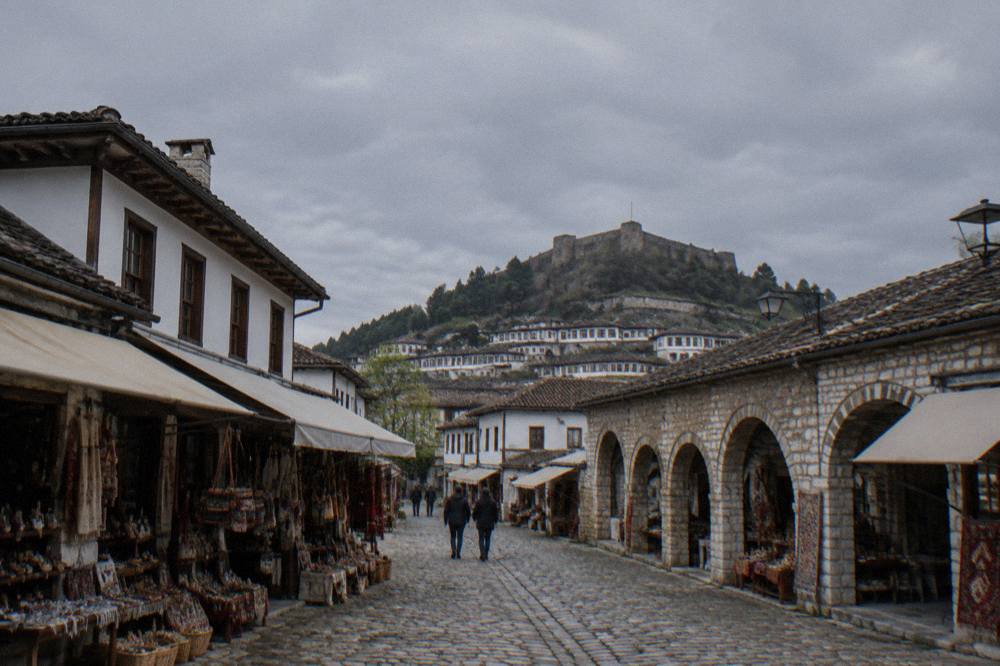
The dress code question is mostly practical. Summer heat in Berat can top 40 degrees Celsius, so carry a light scarf or overshirt rather than wearing heavy clothes all day. Shoes matter more than you would expect: the lanes up to the castle are cobbled and steep, and stepping into a mosque or someone's home in muddy boots is noticed. Where accessibility and steep lanes interact, our piece on how to walk up to Berat Castle gives a realistic picture of the climb; polite behaviour there is simply not blocking the narrow lane while you catch your breath and photograph the view.
Money, Haggling, And Everyday Manners
In daily commerce, the rude behaviours are haggling hard over small sums in family shops, trying to pay in euros as though it were the local currency, and short-changing the unspoken courtesy of a greeting. The lek is Albania's currency, old-town Berat runs largely on cash, and the polite pattern is simple: greet the shopkeeper, pay in lek when you can, round your gratitude rather than argue your discount. Coldness at the counter reads worse than any language mistake.
The greeting is not optional. A murmured mirëmëngjes (good morning) or a nod when you enter a small shop changes the whole transaction, because Albanian commerce is social before it is economic. Haggling belongs to the big open markets and to souvenirs in tourist stalls, not to the family shop selling you a bottle of water. Pushing a Berat grandmother on the price of a jar of her own jam is the kind of thing that gets politely repeated around the neighbourhood for a week. For a sense of what everyday costs look like, our page on whether Albania is cheap or expensive keeps the numbers honest without turning every purchase into a negotiation.
Cash habits are worth planning ahead. Euros are accepted informally in some tourist-facing businesses, but change usually comes back in lek, and the old town remains largely a cash place, so withdraw lek rather than assume cards will carry you. Avoid the standalone airport-style exchange machines and unlicensed changers; use a bank branch or ATM, and keep small notes, because a shopkeeper who cannot break a large note is being put in an awkward position by your planning, not hers.
Everyday street manners round it out. Queue without drama, yield on the narrow Gorica bridge footway, keep your voice low in the evening lanes, and if a restaurant is full, take the refusal gracefully rather than negotiating for a table. Day visitors arriving from the coast on the Durres and Golem Berat heritage day tour often only have a few hours, and the ones who enjoy it most are the ones who slow down and let the town set the pace instead of marching it like a checklist.
One last habit worth naming: politics, borders and the communist period are live wires. Albanians will often raise these topics themselves, and the conversation can be open and fascinating. The polite line is to listen and ask rather than pronounce. A visitor's confident theory about Kosovo, Greece, or the old regime delivered over raki can cool a table faster than any dress-code slip, precisely because hospitality makes hosts feel responsible for the harmony of the evening.
Berat rewards the visitor who treats it as a living town rather than a backdrop, and the living town has an older set of manners than most of Europe. The short version of this whole page fits in one sentence: accept what is offered, greet before you transact, dress for the space you are entering, toast with your eyes up, and let your host have the last word at the gate.
Common Questions About Albanian Etiquette
What is not polite in Albania?
Refusing hospitality flatly, pointing at people, entering mosques or churches in beachwear, photographing strangers without asking, toasting without eye contact, haggling hard in family shops, and volunteering strong opinions on regional politics or religion are the main breaches. Locals rarely confront a visitor over any of them, but avoiding them earns genuine warmth.
Is tipping rude in Albania?
No. Tipping is not obligatory, but it is appreciated. Rounding a restaurant bill up or leaving a modest amount in lek is the local pattern. Quiet and proportionate is the polite way to do it.
Can I refuse raki if I do not drink?
Yes, if you refuse softly. Declining on health or personal grounds with a warm apology and thanks is completely acceptable and common. A blunt refusal of the glass, and especially of the whole table's toast, is what reads as rude rather than the abstention itself.
Do I need to remove my shoes in Albania?
In private homes, yes, or ask by gesturing at your shoes; in guesthouses it varies, so follow the host. Museums, mosques and churches do not require it, but modest dress and a quiet voice do.
Is it rude to photograph people in Berat?
Photographing people without asking is considered intrusive, especially elders in the old quarters. Ask with a gesture or a smile first. Buildings, lanes and the famous rows of windows are freely photographed, though avoid leaning into private windows for your shot.
What should I not talk about in Albania?
Avoid unsolicited opinions on borders, neighbouring countries, religion, and the communist past. Locals may raise these topics themselves, and listening is welcome, but a visitor delivering confident judgments over drinks tends to cool the mood.