Do You Tip Waiters In Albania?
Tipping customs in Albania explained for visitors to Berat: how much to round up, whether to tip in lek or euro, and where cash matters in the old town.
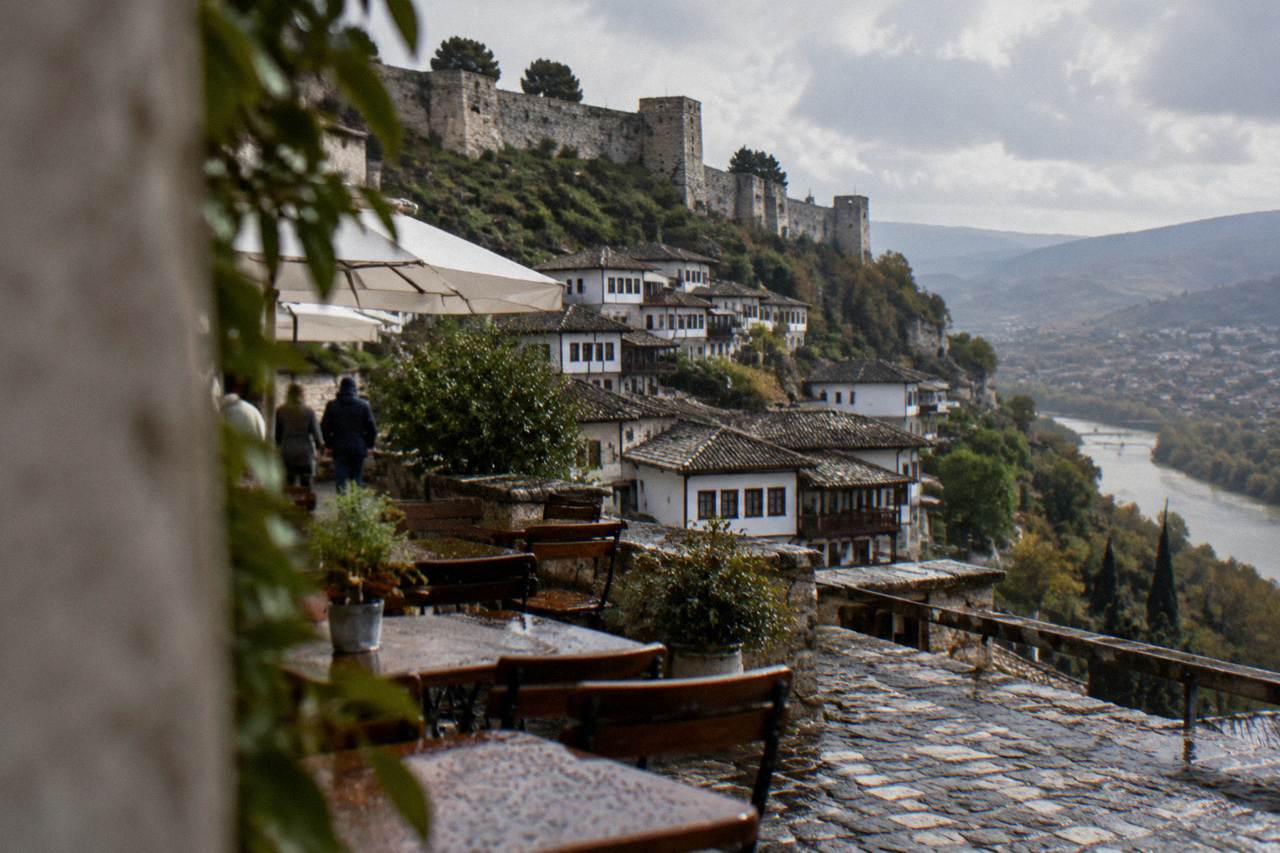
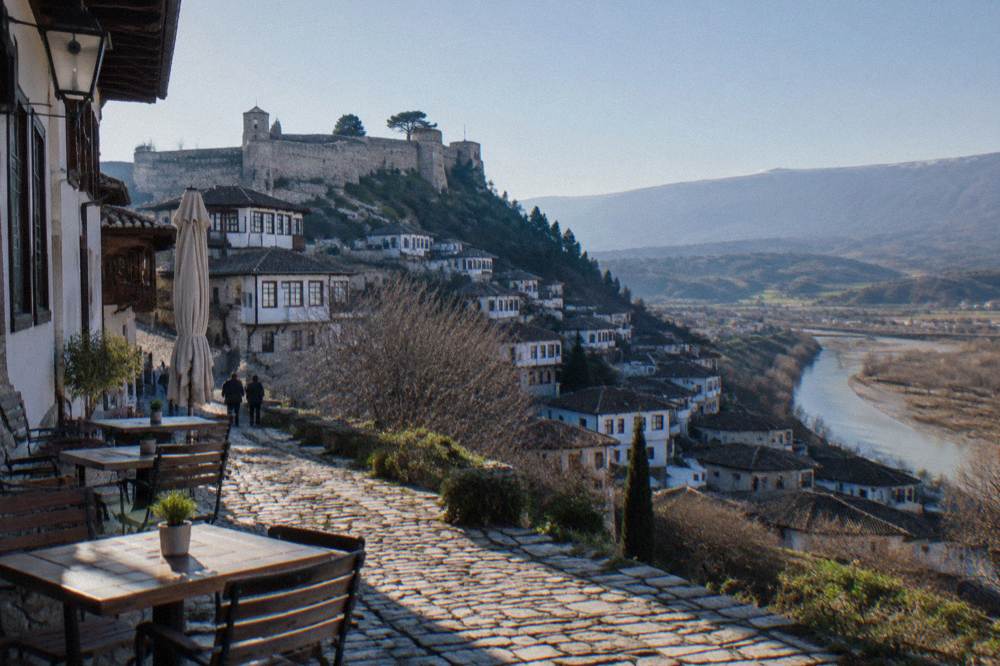
Berat sits on the Osum River in central Albania, a UNESCO World Heritage hill town of white Ottoman houses stacked so densely above the water that people call it the city of a thousand windows. Eating here is a central part of any visit, from cheap byrek counters in Mangalem to riverside dinners in Gorica, and at some point the waiter will bring the bill on a small tray and wait. The question of what to do next confuses a lot of first-time visitors, because Albania's tipping norms sit somewhere between the old Balkan habit of not tipping at all and the newer expectations of a country now welcoming large summer crowds. This page explains the practice plainly: what locals do, what visitors do, how much to round up, and which situations genuinely reward a tip.
The short version is that tipping in Albania is appreciated but not obligatory, and nobody will chase you down the street if you leave nothing. Rounding up a restaurant bill is the normal gesture, a few hundred lek on a sit-down dinner is generous, and small counters and coffee bars expect nothing at all. Cash in Albanian lek is the practical currency for it, especially inside Berat's old town, where cards are still accepted only patchily.
Do You Tip Waiters In Albania?
Yes, you can tip waiters in Albania, and in a tourist-facing restaurant in Berat a small tip is now genuinely expected and appreciated, but there is no fixed percentage culture and no legal service charge on the bill. Most Albanians historically did not tip, and in everyday local eateries many still do not. For visitors, rounding the bill up or leaving a few hundred lek in cash on the tray is the standard, warm gesture rather than an obligation, and anything more is read as generous rather than normal.
The background matters here. Under decades of isolation and low wages, Albania developed without the American or Western European habit of adding a percentage to every restaurant bill. A 2022 snapshot of Albanian service culture would have shown locals paying the exact amount, perhaps leaving the small change from a rounded figure, and thinking nothing of it. That has shifted quickly in the cities and heritage towns that absorb most tourism, and Berat absorbs a great deal of it, since the Onufri Museum inside the castle counted 58,912 visitors between January and July 2026, a 16 percent rise on the same period the year before.
So the honest answer splits by venue. In a restaurant along the old town lanes, on the Gorica side of the river, or at a guesthouse table booked for dinner, the staff serve international guests most evenings during the season, and a tip is part of the rhythm they now know. In a workers' canteen, a bakery counter, or a neighbourhood bar where the clientele is almost entirely local, a tip would be unusual enough to cause a small moment of surprise, though never offence.
It also helps to understand what a tip means economically. A restaurant meal in Berat is cheap by European standards, so even a modest 100 lek coin is a meaningful fraction of the bill. Scale matters both ways: percentages that feel small in euros translate into real money on a local wage, and a large flashy tip can embarrass as easily as it pleases.
If you are still shaping the wider trip around food and costs, our is Albania cheap or expensive explainer puts restaurant prices in the context of the whole budget, and the what traditional Albanian food is worth ordering rundown covers the dishes you will most often be tipping on.
How Much Should You Tip At A Restaurant In Berat?
The working norm in Berat is rounding up rather than calculating a percentage: on a cheap meal, leaving 500 lek is a complete and correct tip, and on a mid-range dinner for two, rounding up by a few hundred lek is generous and well received. Anything between roughly 5 and 10 percent of the bill sits comfortably inside local expectations, and nobody will consider less rude.
The rounding habit is the most useful thing to internalise, because it removes all the arithmetic anxiety. Albanians who do tip, tip by rounding. The bill comes, you hand over a note or two, and you say "mbet" or simply wave off the change, or you leave the coins on the tray. That gesture is understood everywhere in the country, from Tirana to Çorovodë, and it scales naturally with the size of the bill.
For visitors who prefer a mental rule of thumb, the table below shows how rounding plays out across the kinds of bills you will actually see in Berat. Prices in town are cheap by European standards, and cash in lek is what you will want on hand. Treat these as planning ranges rather than promises, since every kitchen sets its own prices.
| Typical bill in Berat | Reported figure | A natural round-up tip |
|---|---|---|
| Cappuccino at a café | Cheap by European standards, pay in lek | Nothing, or drop the small change |
| Shot of raki after a meal | ~2 euro equivalent | Nothing expected |
Two practical notes make this easier. First, always check the bill when it arrives, because Albania's fiscalisation rules mean every legitimate business must issue a receipt, and a printed receipt protects you and the waiter alike; a restaurant that refuses to give one is a restaurant to leave. Second, do not chase the tray. In many places the waiter will leave the folder or tray on the table and walk away, and the tip is whatever you leave inside when you go, a style that suits shy tippers perfectly.
If dinner is the anchor of your evening rather than a pause in it, the question of how long to give the town comes next, and our how many days to spend in Berat planner builds an itinerary around where the good tables are.
Should You Tip Guides, Drivers And Hotel Staff In Albania?
Yes, guides and drivers are the one group where tipping has become a firm expectation rather than a polite option, because tour work is seasonal and tips are treated as part of the income. For a guide who has spent a full day with you, a tip in the range of several hundred to a thousand lek per person is normal, drivers receive a little less, and guesthouse staff are usually left nothing beyond thanks unless they did something exceptional.
Guides earn it. A good guide in Berat will walk you up the steep cobbled lane to the castle, explain why 24 defensive towers ring a quarter where people still live, and point out the Red Mosque among the earliest Islamic buildings inside the fortress, all while managing the heat of an afternoon that in summer can top 40 degrees Celsius. That is skilled, physical, seasonal work, and international guests on guided days are the people who keep it alive. The Mount Tomorr and Sotira Waterfall guided hike is a strong example: a half-day mountain walk with a local operator, and exactly the kind of outing where a cash tip at the trailhead farewell is the established way to say thank you. You can read more and Check availability on the operator's live listing, which also carries the Mount Tomorr guide page details on this site.
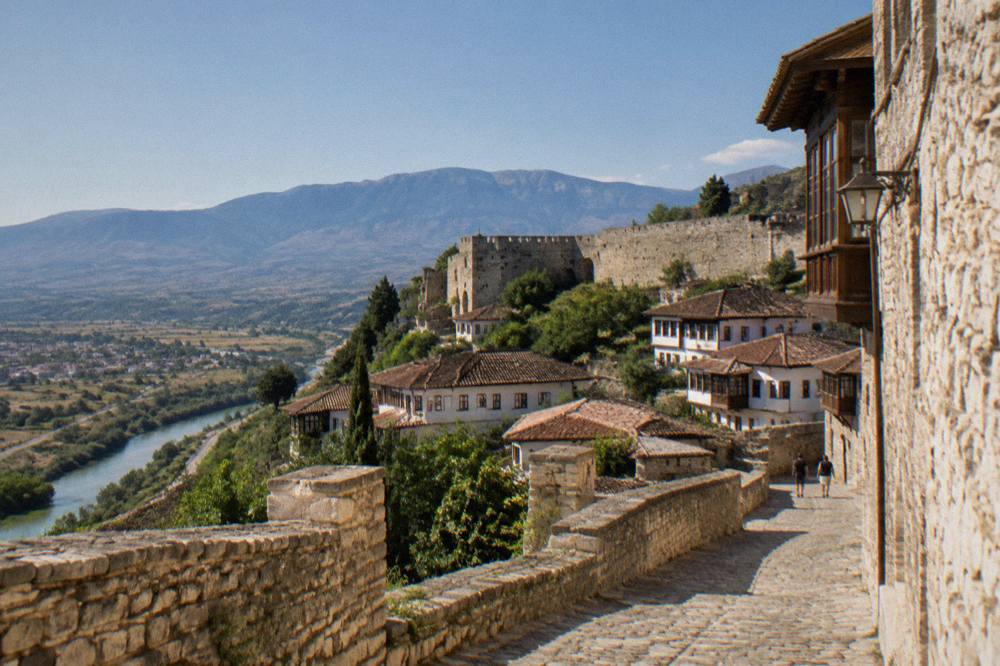
Drivers sit one notch below. If you hire a taxi for a short hop, rounding up is plenty. If a driver has taken you on a full day trip, say from Tirana out to Berat and back with waiting time, a tip alongside the agreed fare is customary and much appreciated. Guesthouses are different again: the family that runs a small place inside the old town will often refuse a tip outright, and a small gift, a good review, or a promise to return lands better than coins. Tipping is about reading the relationship, not applying a tariff. The rest of the planning pages sit on Berat Travel Guide.
Do You Tip In Lek Or Euro In Albania?
Tip in Albanian lek. The lek is the only legal currency in Albania, the euro is not legal tender and is only accepted informally by some tourist-facing businesses, and any change will come back in lek anyway, so a euro tip forces the recipient into a conversion they did not ask for. Carry small lek notes for exactly this purpose, since old-town Berat remains largely a cash economy.
The mechanics are worth a sentence of preparation. The exchange rate hovers around 92 lek to the euro, so a 500 lek tip is a little over five euro, a figure that sounds modest in foreign terms but is a real sum against local prices. Before a dinner evening, stop at an ATM or a bank branch and withdraw small notes; foreign-card ATM fees commonly run 500 to 800 lek per withdrawal, so one larger withdrawal beats several small ones. Cards are accepted at some hotels and larger restaurants, but across Mangalem and the lanes below the castle, cash is still the default, and the tray with your bill expects paper and coins rather than a card reader.
Keep the 1,000 lek note in mind as your friend. Tipping well should never require asking the waiter to break your only note, which turns a graceful ending into a transaction. A pocket of 200s and 500s makes every goodbye easy: the restaurant, the guide, the driver, and the person who carried bags up the castle steps on arrival day.
When Is Tipping Not Expected In Albania?
Skip the tip at bakery counters, street food windows, market stalls and fast-food spots, where locals pay the exact price and any extra would simply cause confusion, and skip it too when service was openly poor, since a tip in Albania signals thanks rather than being an automatic tax. A café where you order at the counter and carry your own coffee to the table expects nothing beyond the price of the drink.
There is a dignity point here worth stating plainly. Tipping everywhere, generously, in a low-cost economy can read as showing off rather than kindness, and Albanians are quick to notice the difference between warmth and display. The local custom leaves room for judgment, which is exactly why it works: the tip lands where something extra actually happened, a guide who stayed an hour longer, a waiter who walked you to a pharmacy, a driver who waited without charging. Judgment also protects you from the few genuinely rough edges of travelling here, and our what to be careful of in Albania guide covers those with the same plain honesty.
One closing habit ties the whole topic together. If a restaurant or guesthouse was genuinely good, say so out loud, in any language, before you leave. Praise costs nothing, carries further than you think in a small town, and pairs perfectly with the few hundred lek on the tray. Tipping in Berat is not a rule to memorise; it is the same instinct you would use anywhere, expressed in small paper notes instead of percentages.
If your tip etiquette questions are part of a first trip to the country, the Berat Travel Guide homepage gathers the practical planning pages in one place, and the do they drink alcohol in Albania explainer answers the question that usually follows the raki shot on the bill.
Common Questions About Tipping In Albania
Do you tip waiters in Albania?
You can, and in tourist-facing restaurants in Berat a small tip is appreciated, but it is not obligatory and there is no fixed percentage. Rounding the bill up or leaving a few hundred lek in cash is the normal gesture.
Is service already included in restaurant bills in Albania?
There is no automatic service charge on restaurant bills in Albania. The printed bill is the full amount, and any tip you leave is entirely separate and voluntary.
Is 10 percent too much to tip in Albania?
Ten percent is at the generous end but never unwelcome. Many visitors simply round up by a few hundred lek instead, which on smaller bills often works out to less than ten percent and is equally well received.
Can you tip with a credit card in Albania?
Usually not. Card terminals rarely offer a tip option, and much of old-town Berat operates in cash anyway, so carry small lek notes if you plan to tip.
Should you tip taxi drivers in Albania?
Round the fare up. On a short taxi ride in Berat, letting the driver keep the change is a normal, sufficient tip, and anything more is your choice rather than an expectation.
Do you tip at cafés and bakeries in Berat?
No. Counter service at cafés and bakeries follows the local custom of paying the exact price, and leaving coins on the counter would be unusual, though never offensive.