Is Albania Or Greece Cheaper?
Albania and Greece compared on real Berat prices: meals, rooms, museums, buses and tours, with the cases where Greece still wins on value.
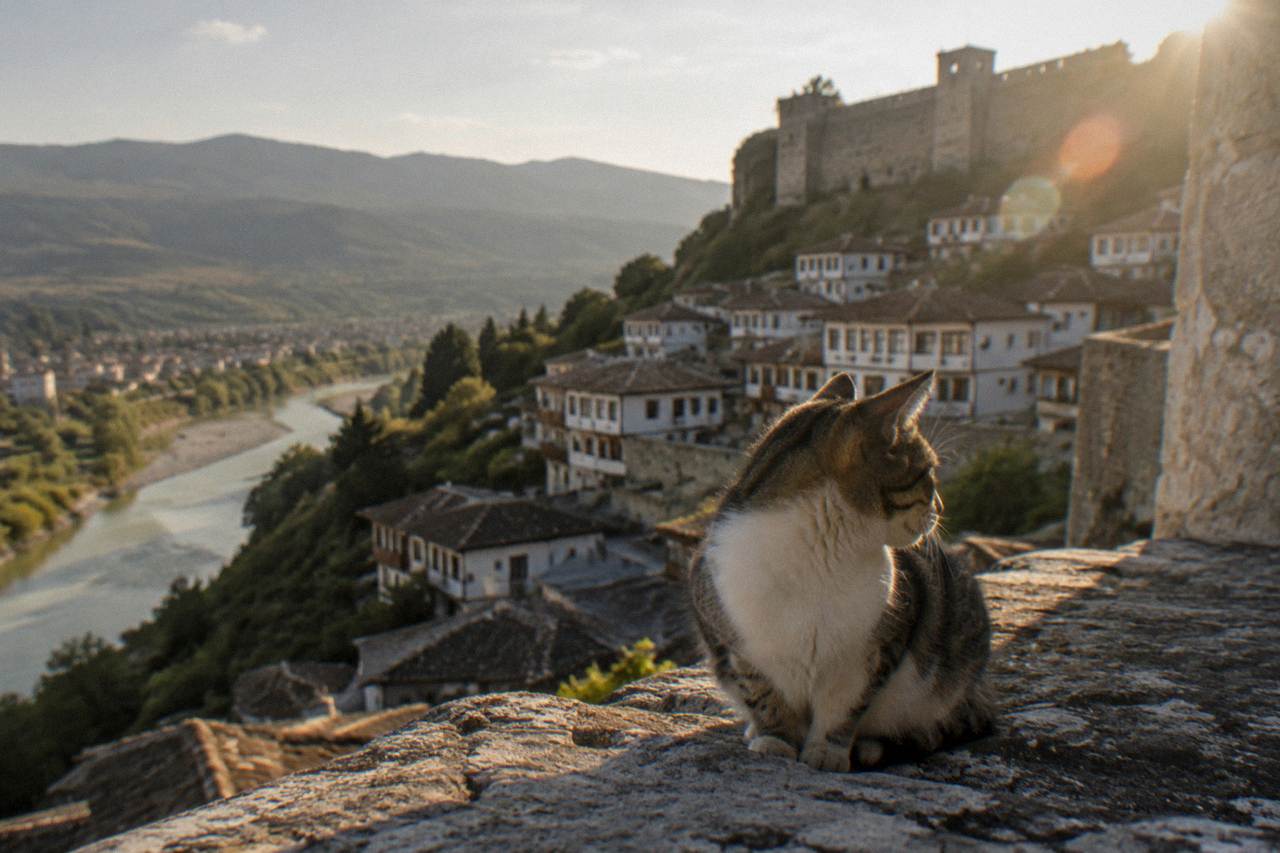
Albania runs on the lek, not the euro, and that single difference shapes almost every price you meet in Berat, the UNESCO World Heritage Ottoman hill town on the Osum River in central Albania. Roughly 92 lek buys one euro, which means a banknote that barely covers a coffee in Greece can still buy lunch here. The honest answer to this comparison is not a slogan, though: Albania is cheaper on almost every everyday line item, from beds to museum tickets to buses, while Greece earns its higher prices in specific places where it still delivers more. This page sets the verified Berat figures against what a Greece trip involves, and names the moments where each country is the better buy.
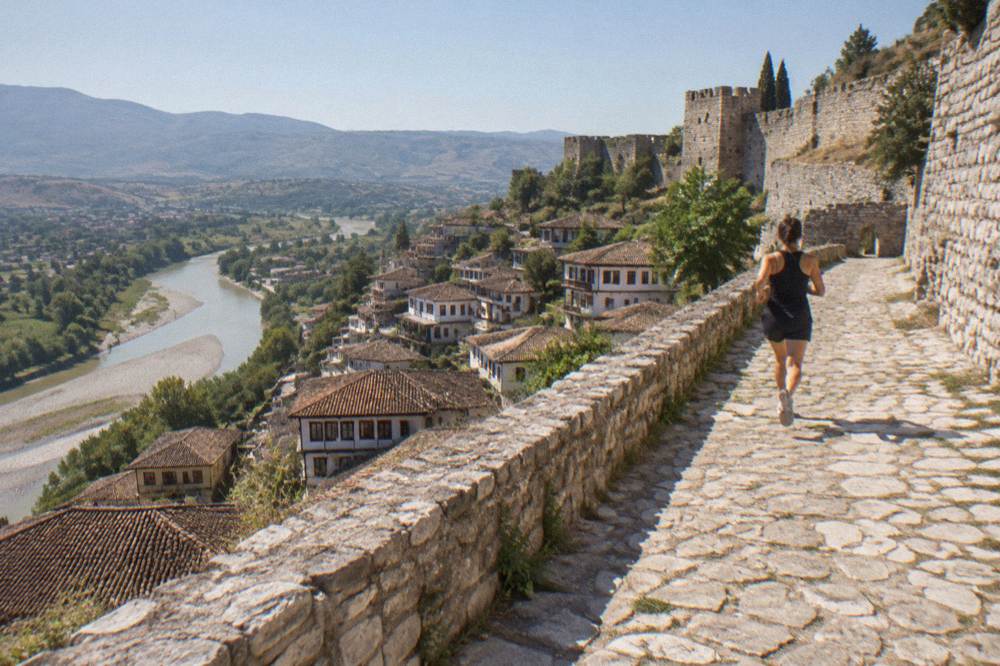
Is Albania Or Greece Cheaper?
Albania is cheaper than Greece for most travellers, and usually by a wide margin. Berat, its best-value heritage town, sits at the low end: cheap by European standards, with cash in lek the way to pay. Greece uses the euro and prices accordingly, so on lodging, food, museums and local transport Albania wins almost every line. Greece wins on flight connections and, on some islands, on the polish your money buys.
The comparison people actually care about is not abstract. It is whether the same trip, same length, same style of travel, costs less from one country to the other. On that measure Albania wins consistently, and the gap is large enough to change what you can afford. A week in Berat or Gjirokastër, Albania's two UNESCO Ottoman towns, can cost what three or four days cost in better-known Greek destinations once you add rooms, meals and entry fees.
There is a second, subtler reason the gap exists. Greece has decades of mass tourism, eurozone pricing and a mature hospitality industry built around visitors who expect to pay European rates. Albania's tourism economy is younger, its currency is the lek, and its domestic price level still anchors what restaurants and guesthouses dare to charge. Inflation has pushed Albanian prices up, and tourism-linked services led those rises, but the base was low enough that the value held. For more on the general question of value across the country, read Is Albania Cheap Or Expensive.
This site, Berat Travel Guide, is published from the town itself, and the figures below come from its own verified research rather than from secondhand price lists.
What Everyday Things Cost In Berat
Everyday costs in Berat run far below typical Greek equivalents. A shot of raki is about 2 euro. Guesthouses in the historic quarters start around $44 to $79 a night, with hotels roughly $43 to $86. Comparable spending in Greece, priced in euro, lands noticeably higher on every one of these lines.
Those are planning figures from current 2026 listings and cost reports, not promises, and they hold best outside the July and August peak, when prices climb across Albanian tourism. Summer heat in Berat can top 40 °C, which is one reason the shoulder months carry double value: milder days and softer rates. If you are weighing timing, the best month to visit Berat matters as much as the country comparison.
| Item | Typical Berat figure | Notes |
|---|---|---|
| Cheap restaurant meal | Cheap by European standards, paid in lek | Local spots in Mangalem and Gorica |
| Mid-range dinner for two | Traditional tavë kosi and wine | |
| Cappuccino | Cheap by European standards; pay in lek | Old-town cafés |
| Shot of raki | ~2 euro equivalent | Often offered after a meal |
| Guesthouse night | Cheap by European standards, cash in lek | Historic-quarter guesthouses |
| Hotel night | ~$43-86 | Rises in high season |
Berat's food deserves a note of its own, because it is where the price gap is most visible day after day. Qifqi, the rice dumplings with mint, tavë kosi, lamb baked in yogurt, and japrak, stuffed grape leaves, are the local standards, and portions are generous. A filling local lunch costs less than a single Greek island cocktail in season. The traditional food question covers the wider menu, and it is a menu built from ingredients grown a valley away, which is partly why the prices stay honest.
If you want a structure for the days themselves rather than just the budget, a single full day in Berat covers the castle, the museums and both riverside quarters, and the reasoning behind a second day is set out in How Many Days Should You Spend In Berat. Neither day costs much, because the town is walked rather than driven.
Booking a guided experience changes the arithmetic a little, but not much, and it is worth seeing the formats side by side before you decide how much structure you want on the ground.
How Tour Prices Compare In Berat
Guided tours in Berat cost a fraction of equivalent guided tours in Greece, and several formats cost nothing at all. The city's paid options, rendered with live prices in the selection above, are small-group walking and food experiences, while GuruWalk runs a free, tip-based old town walk covering history, art and culture. In Greece, licensed guiding in heritage sites is a regulated, euro-priced profession, so the same hours of expert explanation generally cost more there.
The free option deserves emphasis because Greece has no real parallel at this scale. GuruWalk's UNESCO Old Town walk in Berat, led by a local guide on a pay-what-you-choose basis, covers the historic centre over about two hours. You tip what the walk was worth to you. For travellers on a tight budget this single format can remove guided touring from the expense column entirely, and it does the same job a 50 euro guided walk does in Greek heritage towns.
The paid end of the spectrum still holds up well. A small-group city and food tour, the kind this site rates highly for first visits, pairs the old quarters with family-table food, and its price sits on the live listing rather than in print here. You can Check availability at that listing before you commit. What that format buys is context: someone explaining what the thousand windows were for, why the castle quarter still has residents, and which of the riverside restaurants a first-time visitor would never find alone.
Is Getting Around Albania Still Cheaper?
Yes, and the margin on transport is one of the biggest in the whole comparison. The Tirana to Berat route is served by frequent daytime buses, costing a few hundred lek, paid in cash. There is no passenger train to Berat. In Greece, intercity buses and trains are euro-priced, so a comparable cross-country hop costs several times more. Within Berat itself, museums charge 300 to 400 lek entry and the historic centre is walked, not driven.
Museum pricing shows the pattern clearly. The Onufri Iconographic Museum inside the castle charges 400 lek, the Ethnographic Museum 300 lek, and children under 12 enter free. Both museums sit within walking distance of the old town guesthouses, so a full culture day in Berat costs a few euro per person in entries and nothing at all in transport. Onufri's collection of icons, the reason most people climb to the castle, rewards the climb with the finest icon work in the country.
| Getting around and entry | Berat figure | Notes |
|---|---|---|
| Tirana to Berat bus | a few hundred lek | frequent daytime buses, cash |
| Taxi from Berat bus terminal | ~2-3 euro equivalent | 15-20 minutes to the old town |
| Onufri Museum ticket | 400 lek | Children under 12 free |
| Ethnographic Museum ticket | 300 lek | Reopened after full restoration |
| Onufri audio guide | 500 lek | Optional add-on |
| Castle quarter entry | Small daytime fee possible | Bring lek; walk up from town |
One honest caveat on Greece's side: Greek transport is more developed. Trains reach major Greek cities, ferries reach the islands, and the network is built for visitors. Albania's railway is under reconstruction with a target around end-2027, so today the bus is the reality. For everything on the wider question of buses and schedules across the country, How Reliable Are Buses In Albania covers what to expect.
If a structure for the days would help you decide how much to book in advance, the small-group city and food tour below is the format most first-time visitors choose here, and its live listing carries the current price and the free-cancellation terms.
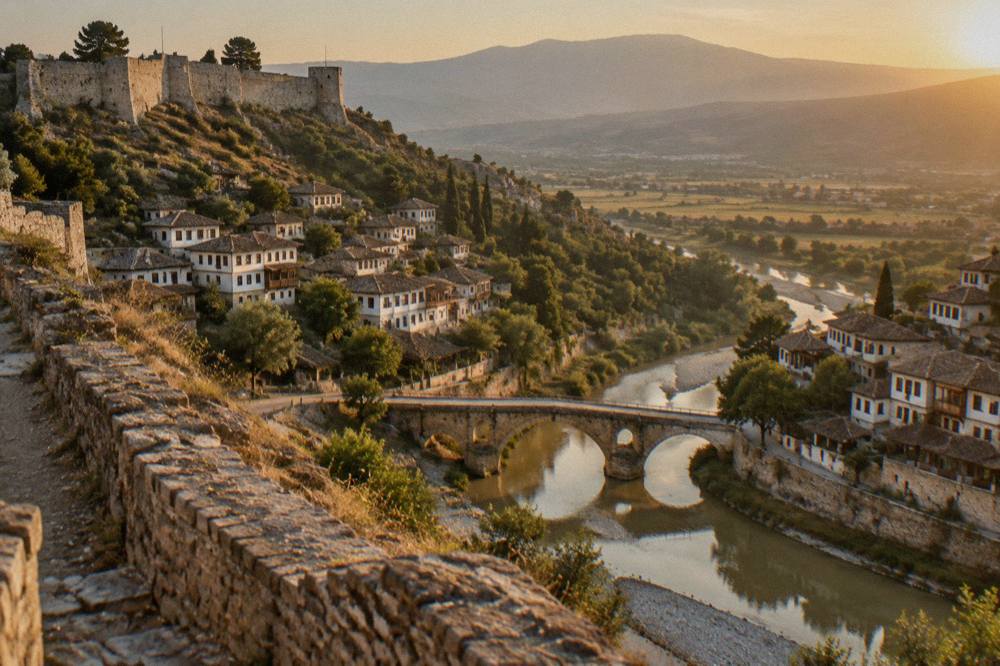
Where Greece Justifies Its Higher Prices
Greece earns its prices in three places: flights, islands and infrastructure. Direct flights reach Athens from across Europe at fares Berat's nearest airports cannot match, since reaching Berat means flying into Tirana and taking a bus. Greek ferries, island beaches and well-marked trail networks are things Albania simply does not offer at the same scale, and for a beach-and-island holiday Greece delivers experiences your money buys less reliably in Albania.
So the comparison depends on the trip you want. If the plan is beaches, islands and ferry hops, Greece is not the expensive option, it is the only option of the two, and value becomes a question of season and island choice rather than country. If the plan is heritage towns, food and walking, Albania is the stronger buy by far, and Berat, the town locals call the city of a thousand windows, is the showcase. The worth visiting question covers what those thousand windows and the castle above them actually deliver.
Flights deserve a plain note. Greece's airport network is vast, and shoulder-season fares to Athens can be low enough to close part of the gap. Albania is served through Tirana, and while the airport handles the country's visitors well, there is no direct airport bus to Berat; you transfer through Tirana's South-North terminal. Add that time and cost when you price the two trips against each other, because the bus fare is trivial but the transfer adds a half day each way.
Entry rules are also uneven in a way that slightly favours Albania. Albania is not in the EU and not in Schengen, but it runs a generous visa-free regime: UK and EU citizens get 90 days in any 180, and US citizens can stay up to a year without a residency permit. Greece, inside Schengen, applies the standard 90/180 Schengen clock to non-EU visitors, and those days in Greece count against days in every other Schengen country. For a long, slow, low-cost trip, Albania is the more permissive choice, a point worth weighing if you are deciding where to go in Albania for the first time.
Practical Money Tips That Keep Albania Cheap
Carry lek, not plans to pay by card. Berat's old town is largely cash territory, cards are accepted at some hotels and larger spots, and ATMs commonly charge 500 to 800 lek on foreign cards. Roughly 92 lek equals one euro, and while some tourist businesses accept euro informally, change comes back in lek at rates that rarely favour you. Budget in lek for meals, taxis, museum tickets and the castle gate, and the low prices above actually materialise.
A few habits make the difference. Withdraw from bank-branch ATMs rather than standalone machines on the promenade, keep small notes for the bus and the market, and treat the museum free days, 18 April, 18 May, 21 May and 29 September, as a genuine scheduling lever if your dates can bend. The Ethnographic Museum reopened in May 2026 after a three-year restoration with around 1,300 objects on display, so the 300 lek ticket buys more now than it did a few seasons ago.
Safety spending is also near zero here, which counts as a cost line people forget to price. UK travel advice notes no warnings against travel to any part of Albania, and the standard precautions are the usual urban ones: watch bags at night, use bank machines indoors. The detail is in What To Be Careful Of In Albania. Nothing about a Berat trip requires guides-for-hire beyond the tour you choose, private transfers, or the layered insurance costs of riskier destinations.
Where the two countries end up, honestly stated: on every number this site can verify, Albania is cheaper, and in Berat the gap is wide. Greece is the better buy only when the trip you want is one Albania cannot supply, islands and ferry networks above all. For an Ottoman old town, a castle you can walk into, and food priced for locals, the lek wins.
Common Questions About Albania Versus Greece
Is Albania or Greece cheaper?
Albania is cheaper than Greece on almost every everyday cost. In Berat, museum tickets cost 300 to 400 lek and intercity buses a few hundred lek. Greece, priced in euro, costs more on all of these. Greece wins only on flight connections and on experiences Albania does not offer, like islands and ferries.
Can you use euros in Albania?
Not officially. The currency is the Albanian lek, roughly 92 lek to one euro. Some tourist-facing businesses accept euro informally, but change is usually given in lek at poor rates, so paying in lek is the cheaper habit everywhere outside the biggest hotels.
Is Berat expensive to visit?
No. Berat is one of the cheapest UNESCO heritage towns in Europe. Entries, meals and local transport are all priced in hundreds of lek, and the historic centre is compact enough that you walk almost everywhere. The main costs are your room and the journey to get there.
How many days should you spend in Berat?
One full day covers the castle, Onufri Museum, both riverside quarters and a good dinner. Two days lets you add a winery or the Ethnographic Museum without rushing. The costs barely change between the two, because the second day's extras are cheap.
Do US citizens need a visa for Albania?
No. US citizens can stay in Albania visa-free for up to one year without applying for a residency permit. UK and EU citizens get 90 days in any 180-day period. Albania is outside the EU and Schengen, so days spent there do not count against a Schengen allowance.
Which has better value food, Albania or Greece?
Both cuisines are excellent, but Albania's is dramatically cheaper. A filling traditional meal in Berat costs a few euro, and specialties like tavë kosi and qifqi are cooked from local ingredients at local prices. Greek food is wonderful and euro-priced, so the same appetite costs more there.