What To Wear In Albania As A Female?
A practical women's packing and clothing guide for Berat and wider Albania: what to wear for cobblestones, canyon trips, summer heat and modest site visits.
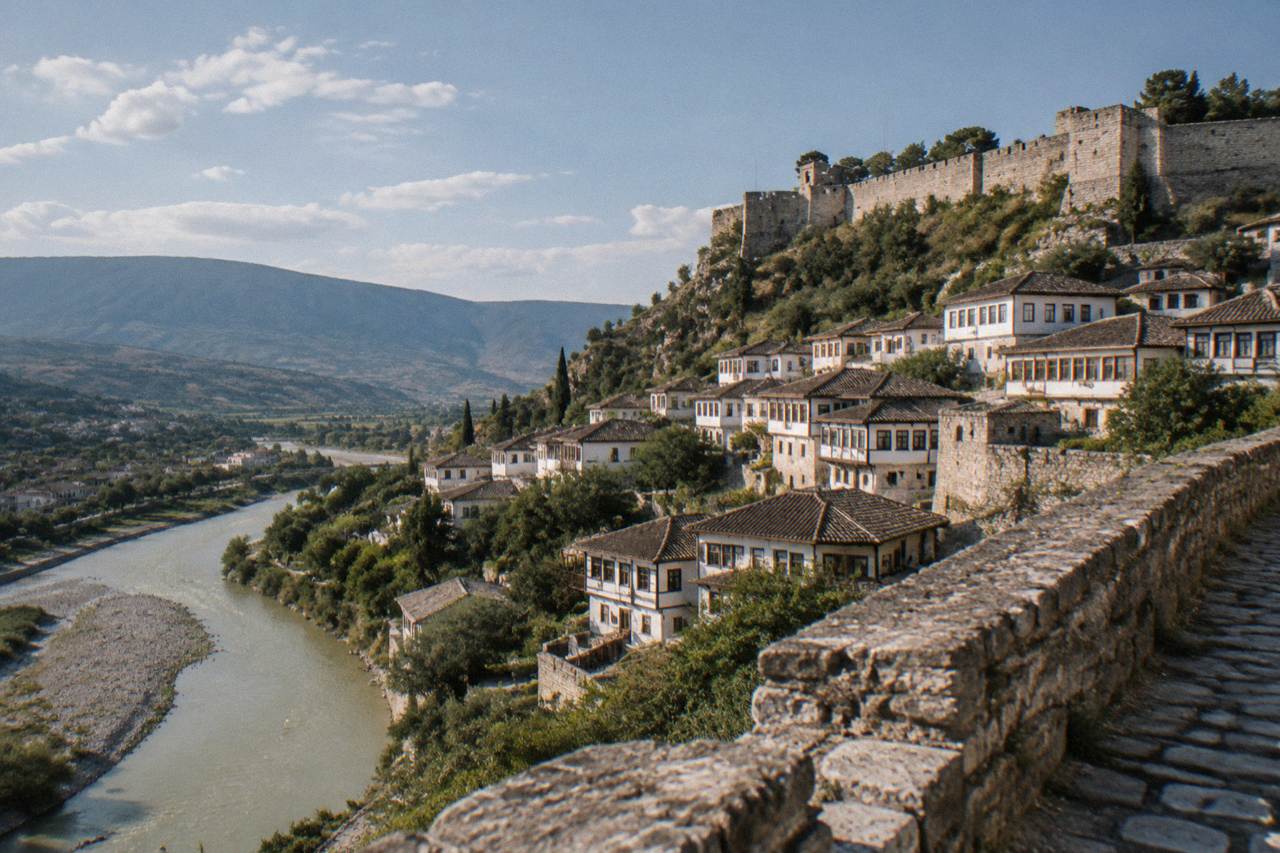
Berat is a UNESCO World Heritage Ottoman-era hill town on the Osum River in central Albania, and what you wear there matters more than in most European towns, not for style but for footing, heat and the odd modesty code at a church door. Albania is not an EU member, the currency is the Albanian lek, and the old town is largely cash territory, so your wardrobe is really the easy half of trip planning. This page, published by Berat Travel Guide, walks through what women actually need for the castle lanes, the river canyon and the long hot summers.
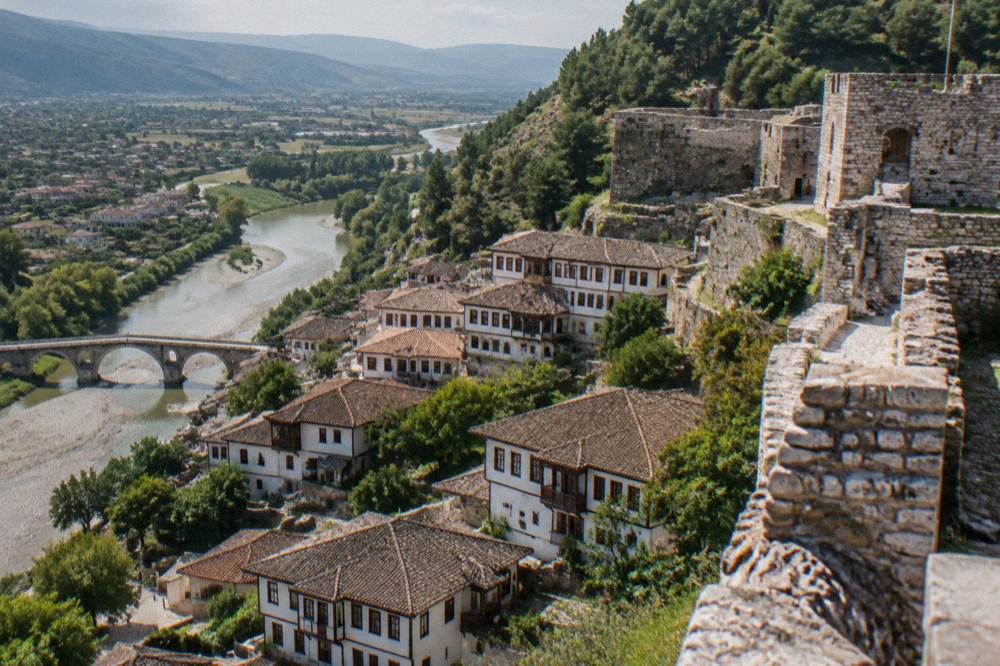
What To Wear In Albania As A Female?
For Albania, pack breathable layers suited to hot weather and lots of walking, plus a scarf or shawl to cover your head and shoulders when visiting religious sites. Dress is informal overall, so casual clothes work fine almost everywhere. The single most important item is comfortable shoes with good grip, since you will spend far more time on your feet, often on uneven or steep terrain, than you might expect. Albania is casual, and in Berat nobody expects smart clothing; days revolve around steep cobbled streets, a hilltop castle and, for many visitors, a river canyon trip, so comfort and modest coverage beat fashion every time. A light long-sleeve layer, something to cover shoulders and knees, swimwear for the canyon, and broken-in walking shoes will cover almost every situation a woman meets here, from museum interiors to a floating afternoon in the canyon.
That is the short version. The longer version is that Albania, and Berat in particular, is a place of contrasts that show up in your suitcase. Morning can be cool enough for a fleece on the castle ridge, midday hot enough that you want thin cotton or linen, and a mosque or church interior dim and cool enough that a shroud of fabric feels welcome rather than burdensome. Local women dress in the full range you see anywhere in the Balkans, from jeans and sneakers to dresses and heels for evenings, and visitors are not held to any separate standard.
What catches visitors out is rarely social. It is practical. The old town lanes of Mangalem and Gorica are cobbled, worn and steep, the walk up to Berat Castle is a sustained climb on irregular stone, and the unpaved sections beyond the main sights punish thin-soled shoes. Women who arrive in brand-new sandals or smooth-soled espadrilles tend to buy something sturdier within a day.
| Situation in Berat | What works best | What to skip |
|---|---|---|
| Castle walk and old town lanes | Broken-in walking shoes or trail sandals with grip | Smooth-soled shoes, new stiff boots |
| Church or mosque interiors | Long skirt or trousers plus a shawl over shoulders | Shorts, strappy tops |
| Osumi Canyon river day | Quick-dry clothes over swimwear, water shoes | Denim, cotton dresses that stay wet |
| Summer sightseeing, July to August | Loose light cotton or linen, sun hat | Dark tight synthetics |
| Evening meal in the old town | Anything casual; a light layer for terraces | Formal wear, though nobody will mind |
The one genuine dress code to respect is at religious sites. Berat's churches, including the ones inside the castle walls, and its working mosques, such as the King Mosque in Mangalem, expect covered shoulders and knees, and a head covering helps at mosques. A large light scarf does all of this and doubles as sun protection on the exposed castle ridge, so it earns its place in a small bag. If you are weighing a wider first trip, our piece on where to go in Albania first covers how Berat fits into a bigger route.
What To Wear For Berat's Castle Streets And Cobblestones
For Berat's steep, slippery cobblestones, wear your grippiest, most broken-in shoes, since smooth soles and worn tread make the climb to the castle risky in anything but dry weather. Pair them with breathable bottoms, a sun hat for the exposed upper streets, and a light layer you can tie around your waist once the climb warms you up. Berat Castle sits at the top of the hill and the path up is a genuine climb on polished, uneven stone, while the old town below is a web of steep cobbled lanes, so footwear is the single most consequential clothing choice for this town. Everything else, the hat, the layer, the small bag, is secondary comfort arranged around the fact that whatever you carry goes up the hill with you on foot.
The castle quarter, the Kala, is still lived in, with houses, guesthouses and the Onufri Iconographic Museum inside the walls, so this is a walking neighborhood rather than a museum park. One practical note for anyone planning this climb: car access into the castle quarter is being restricted, with a parking-and-shuttle system under implementation, so assume you walk up. That reinforces the shoe point, and it also means you want a small day bag rather than a heavy shoulder tote, because whatever you carry goes up the hill with you. The walk itself is covered in detail in how long it takes to walk up to Berat Castle.
Surface conditions change with the weather. Dry summer stone is pleasant but slick under smooth soles, and after autumn and winter rain the cobbles and the polished flagstones inside the castle gate get genuinely treacherous. Trail sandals with tread, lightweight hiking shoes or any well-worn sneaker with a soft rubber sole all work. What does not work, reliably, is anything with a hard leather sole or an unbroken-in upper, because the descent back into Mangalem is as demanding as the climb up.
| Surface you will meet | Condition | Best footwear |
|---|---|---|
| Kalldrëm cobblestones in Mangalem and Gorica | Steep, rounded, polished | Soft-soled walking shoes |
| Castle path and gate flagstones | Sustained climb, uneven | Trail shoes or grippy sandals |
| Gorica Bridge and river promenade | Gentle, flat stone | Anything comfortable |
| Dirt tracks toward viewpoints and wineries | Dusty, sometimes loose | Closed shoes over sandals |
Guided walking options also shape what you wear, because a two-hour expert-led walk through the quarters is a very different commitment from a full day that adds Belsh Lake. Among the formats visitors compare, the premium Berat UNESCO tour with castle and Belsh Lake runs longer and rewards the full walking-day wardrobe, layers, hat, water bottle, while a short old town stroll asks nothing beyond good shoes. If a guide-led format appeals, the trio below shows how those day shapes differ.
What To Wear For Canyon Trips And River Days Near Berat
For canyon trips and river days near Berat, wear your swimwear under quick-dry clothing so you can swim or wade whenever the day allows, skip flip-flops in favor of real water shoes with grip for slippery rocks, and bring a towel plus a dry change of clothes for afterwards, since you will almost certainly get wet, whether you planned to or not. The Osumi Canyon, near Çorovodë in the Skrapar region, is a protected natural monument, and the river days built around it involve floating, swimming and wet walks over stone, which means cotton and denim stay cold and heavy for hours after you leave the water. The packing principle is synthetic layers, a secure strap on any sunglasses, nothing in pockets you would mourn, and a warm layer for the ride back to Berat.
The classic river product from Berat is the Osumi Canyon swim, float and Bogove waterfall trip, which pairs time in the water with a short forest walk to the waterfall at Bogovë. That combination tells you the whole clothing story: you need something that works soaked, dries fast, then goes back onto dry land for a shaded trail. A long-sleeve rash guard or a quick-dry long-sleeve top is the quiet hero of this list, because it covers shoulders for any village stop, protects arms on the water, and never needs to dry before you leave.
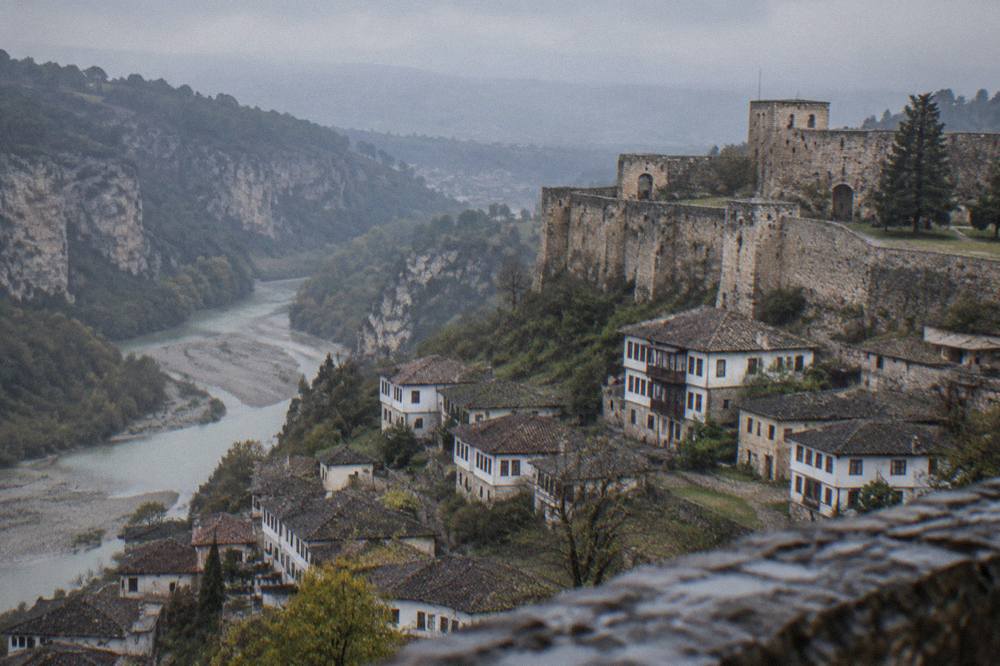
Water shoes deserve their own sentence. The canyon floor and riverbanks are stone and gravel, wet and dry, and ordinary sandals float away or cut feet. Closed water shoes with a firm sole, the kind sold for any kayaking trip, are the right call, and they double for the wet sections of the Bogovë trail. A towel, a plastic bag for wet clothes and a set of dry clothes left on the transport are the difference between a comfortable ride home and a damp one. The season shapes itself: operators run rafting on the spring snowmelt, roughly March into early June, and tubing and swim trips through the warmer months, so the same kit works across the year with a warm layer added in spring. You can check the operator's live listing before you pack.
The bigger canyon commitment is a full canyoning day. The Berat Osumi canyoning adventure at Bigazi Waterfall runs around eight hours and involves scrambling, rappelling and long stretches in and out of water, which means the operator supplies the technical kit and you supply the underneath: quick-dry layers, the water shoes, sun protection for the exposed sections and something warm for the ride back. Women who do both a gentle float day and a canyoning day generally report that the same core wardrobe, quick-dry base, warm mid-layer, water shoes, served both, with only the addition of a dry bag for the longer day.
What To Wear Across Albanian Seasons
Across Albania, plan for hot, dry summers and wet, mild winters: the real extremes are summer heat and winter damp rather than deep cold. Choose lightweight, breathable clothing for the summer months, and bring layers plus rain protection for winter, so your wardrobe stays comfortable whatever the season. Central Albania bakes from June into September, and summer heat can top 40 °C, as it did on 20 July 2026 when Berat recorded the year's highest values in the shade, so the wardrobe question is shade, air and sun protection rather than warmth. Winters are wet rather than harsh, with rain concentrated from late autumn through January, and the shoulder seasons, spring and autumn, are forgiving enough for light clothes with a proper jacket at night.
Spring and autumn are the sweet spots, and they reward the layered approach most of all. A warm afternoon can be followed by a cool evening on the Gorica side of the river, and a canyon day in April can start with a fleece waiting in the van and end with sunburn on the forearms. That is why quick-dry long-sleeve layers and a packable warm mid-layer, rather than a single heavy jacket, are the right architecture for anything outside midsummer.
For summer, the packing logic is shade and air. Loose light cotton or linen, a wide-brimmed or at least brimmed hat, sunglasses and a refillable bottle matter more than any fashion choice, because the middle hours of the day are spent either climbing to the castle or retreating to a shaded terrace. The old town streets are narrow and partly shaded, but the castle ridge is fully exposed. Winter inverts the problem: the damp chill that follows rain on stone wants waterproof shoes, a real rain layer and warm socks, and the same grippy-sole rule applies doubly on wet cobbles. If you are still choosing dates, our guide to the best month to visit Berat goes deeper than clothing.
Layering is the connective idea across all of it. Even in midsummer, evenings on the Gorica side of the river and terraces above the Osum can feel cool after a hot afternoon, and guesthouse rooms are not always air conditioned to northern European expectations. A light cardigan or shirt you can knot around your waist covers the evening terrace, the air-conditioned minibus and the museum interiors in one move. That same layer is what makes a single day trip work, which is why the Belsh Lake format suits the full-day wardrobe rather than the stroll wardrobe.
Modesty, Mosques And Evenings In Berat
In Berat, dress modestly during the day by covering your shoulders and knees whenever you visit churches or mosques, and keep a scarf with you so you can adjust as needed. Evenings are relaxed rather than formal: smart-casual works if you enjoy dressing up, but there is no obligation, so wear whatever keeps you comfortable. Berat's religious buildings are working spaces, and the covering rule applies to both sexes, but it is worth stating plainly for women planning a summer wardrobe: a light scarf or a maxi skirt in your day bag solves every threshold you will cross, from the King Mosque in Mangalem to the painted churches inside the castle walls. Beyond religious sites there is no enforced code, and evenings in Berat run from jeans at a riverside café to dresses at a rooftop table.
The evening scene deserves a small paragraph of honesty. Berat is not a nightclub city; the nightlife is terraces, wine bars and long dinners, and locals, including families, use the promenade along the Osum in the cooler hours as their evening walk. That means the most useful evening outfit is the comfortable daytime one plus a layer, and shoes that handle the cobblestones again after dark, when the lighting is atmospheric but the stones are no flatter. For a sense of the wider culture you are dressing within, our articles on whether Albania is worth visiting and drinking alcohol in Albania cover the social texture.
A note on jewelry and valuables, since it is a clothing-adjacent question women often ask. Albania is generally safe for visitors, and violent crime targeting tourists is rare. Ordinary city caution applies as anywhere: leave obvious valuables in the guesthouse safe on canyon and swimming days, and prefer a zipped cross-body bag for old town walking, mostly because of the cobbles and crowds at viewpoints rather than any specific risk. Anyone with deeper concerns can read our rundown of what to be careful of in Albania.
| Item | Why it earns its place | Best version |
|---|---|---|
| Light scarf or shawl | Covers shoulders at churches and mosques, sun on the ridge | Thin cotton, one neutral color |
| Water shoes | Canyon and river days, wet stone underfoot | Closed sole, firm tread |
| Quick-dry base layers | Dry fast after swimming, layer in spring | Synthetic or merino, long sleeve |
| Grippy walking shoes | Castle climb, cobbles, wet season | Worn-in trail shoes or treaded sandals |
| Brimmed hat and bottle | Exposed castle ridge, summer heat | Foldable hat, one-liter bottle |
| Small day bag, zippered | Castle day, carries the scarf and layer | Cross-body or secure daypack |
A Simple Packing List For A Week In Berat
For a week in Berat, a woman can pack light with roughly three quick-dry tops, two bottoms, one warm layer, and one rain layer. Add swimwear, the scarf, and two pairs of proper shoes, and that small set covers everything a seven-day trip requires without weighing down her bag. That is the honest minimum for a trip that mixes the castle, the old town, a canyon day and a couple of restaurant evenings, and it works because guesthouses offer laundry at modest prices and the town is compact enough that you can return to your room midday if you want to change. Nobody is tracking outfit repeats, and the shops along the boulevard can fill any genuine gap.
Shoes are the one place not to economize, and the two-pair rule is deliberate: one grippy pair for the dry castle and town days, one water-capable pair for the river. If your trip runs into the wetter half of the year, make the first pair waterproof and skip the sandals entirely. Pack the scarf whether or not you plan to enter a church, because on the exposed ridge above the Osum it is the most useful square meter of fabric you will carry.
The final variable is what your days actually look like. Travelers who book the Belsh Lake day tour format spend longer hours out of town, in a vehicle and at altitude, so the warm layer and the hat travel with them, while visitors staying inside the old town can travel lighter and buy anything forgotten in the shops along the boulevard. Whichever shape your week takes, this closing comparison shows the three day formats this page's wardrobe is built around.
Common Questions About Women's Clothing For Albania
What to wear in Albania as a female?
Wear breathable, casual layers with grippy walking shoes, a scarf for covering shoulders at churches and mosques, quick-dry clothing and water shoes for canyon days, and a warm layer for evenings. Albania is informal, and in Berat the demands are practical: steep cobbles, summer heat and modest coverage at religious sites.
Do I need to cover my head in Albania?
Only when entering a working mosque, and a light scarf is enough. Churches in Berat expect covered shoulders and knees but not a head covering. A single scarf in your day bag handles every religious site you are likely to visit.
Can I wear shorts and tank tops in Berat?
Yes, around town, at restaurants and on canyon trips. Inside churches and mosques you will be expected to cover shoulders and knees, so bring the scarf or a longer layer for those stops. Summer heat in Berat can top 40 °C, so light clothing is genuinely practical.
What shoes should women bring to Albania?
Bring one broken-in pair with real grip for the castle climb and cobbled lanes, plus closed water shoes if you are doing a canyon or river day. Avoid brand-new sandals and smooth leather soles, because the old town's polished stone is slick, especially after rain.
Is it safe to dress normally as a woman in Albania?
Albania is generally safe for women travelers, and there is no special dress standard for safety reasons. Ordinary city caution applies: keep a zipped bag for busy viewpoints and leave valuables secured on swimming days. Local women dress in the same range you would see anywhere in southern Europe.
What should I wear to Berat Castle?
Treat it as a hike: grippy shoes, sun protection and a light layer, since the ridge is fully exposed and the climb is sustained. Car access into the castle quarter is being restricted, so plan to walk up with whatever you carry. A small day bag beats a heavy shoulder bag on the stone path.