Byllis Albania: A Day Trip From Berat To The Ancient Hill Ruins
Byllis is one of the great half-forgotten ancient sites of the Balkans, and it sits within easy day-trip range of Berat, the UNESCO World Heritage hill town in central Albania.
Short answer
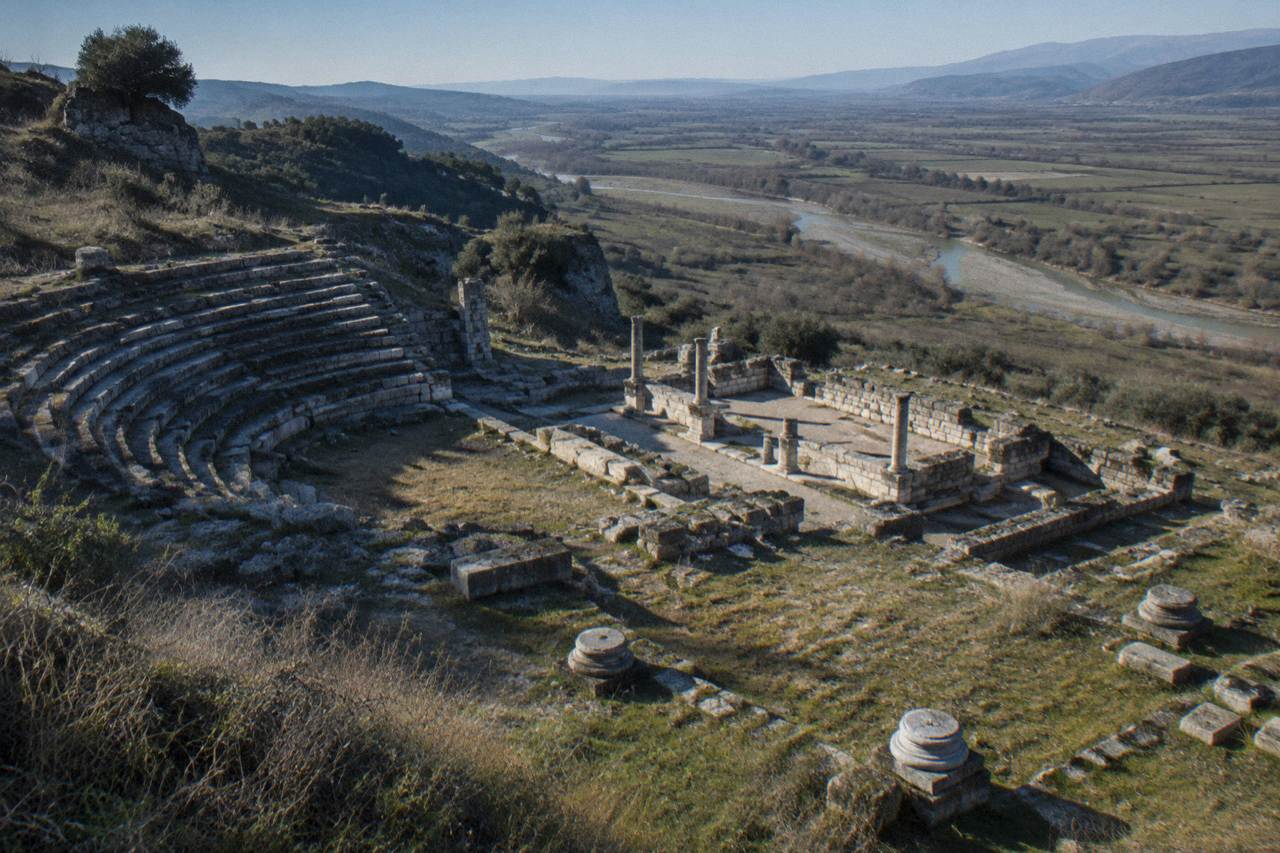
Byllis is an ancient hilltop site in central Albania, reached as a day trip from Berat by car or organised tour. There are no verified opening hours or entry figures in this build's sources, so bring lek and check locally. Most visitors spend half a day at the ruins and combine the trip with Apollonia, Ardenica Monastery or an afternoon back in Berat's old town.
Berat, in central Albania, is a UNESCO World Heritage Ottoman-era hill town on the Osum River, famous for its rows of white houses stacked up the hillside, and it makes an excellent base for some of the least crowded ancient sites in the Balkans. Byllis is one of them: a sprawling ruined city on a high hilltop in the region inland from Berat, where city walls, a theatre and early basilica remains stand in near silence above the plain. This guide covers how to reach Byllis from Berat, what you will actually see when you get there, how to time the visit, what it costs, and how it fits alongside the other day trips around Berat.
What Is Byllis And Why Visit From Berat?
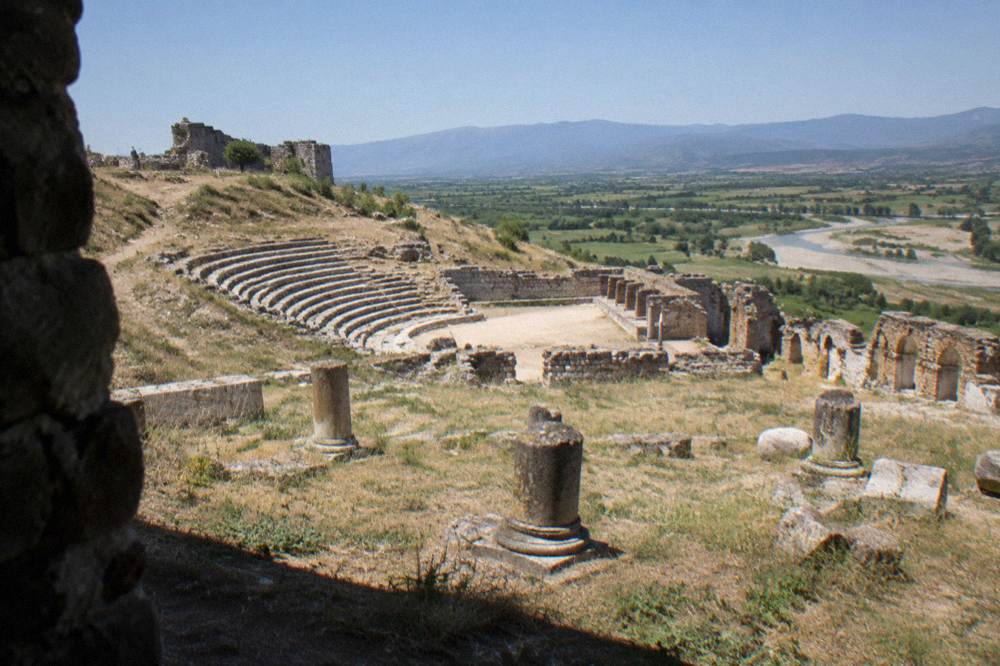
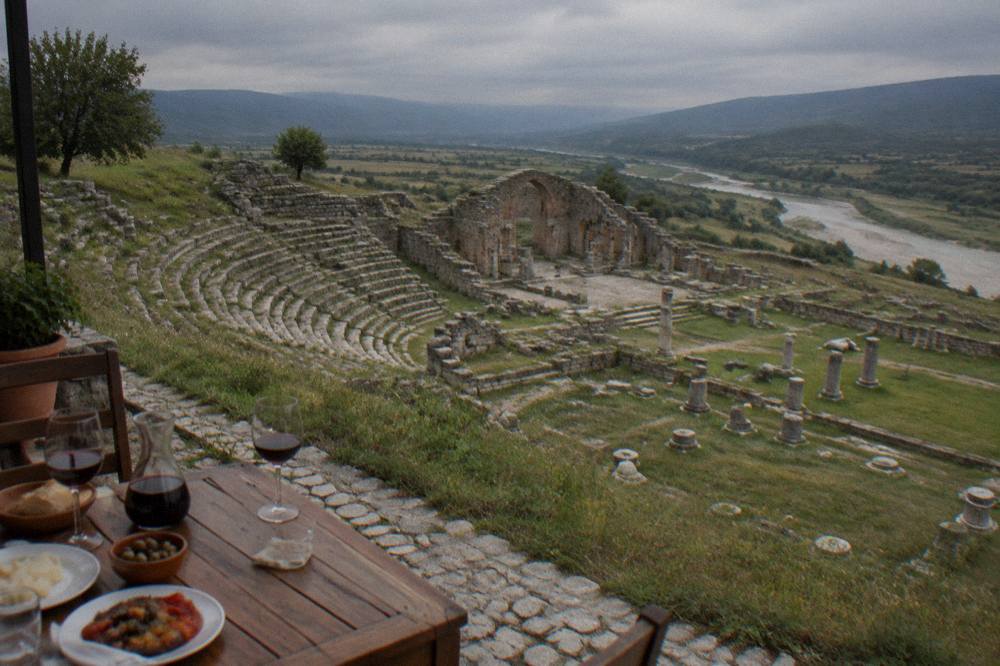
Byllis is a large ancient archaeological site on a hilltop in central Albania, and it is one of the most atmospheric ruins you can reach on a day trip from Berat. The site preserves long stretches of its defensive walls alongside the remains of a theatre, basilicas and paved streets, all set on a high terrace with wide views over the surrounding countryside. Unlike the busier Ottoman attractions inside Berat itself, Byllis is usually quiet, and the combination of scale and solitude is its main draw.
Byllis belongs to a family of ancient sites scattered across central and southern Albania, of which the best known neighbour is Apollonia, reached from Berat on a separate day trip and covered in our Apollonia day trip guide. Where Apollonia has the stronger name recognition and the steadier flow of coach groups, Byllis is the site that usually rewards travellers who make the effort with more room to wander and a stronger sense of discovery.
The practical logic of visiting from Berat is simple. Berat is the region's main tourist base, with the widest choice of guesthouses and eating options, and it sits within realistic day-trip range of several inland sites. A visitor who spends three or four nights in Berat can comfortably cover the town's own attractions, the castle and the museums, and still have days left for the ruins, wineries and canyons further afield. Our answers page on whether Berat is worth visiting goes into the town's own appeal in more depth.
There is a difference in kind between Byllis and Berat's heritage. Berat's inscription on the World Heritage list, as part of the "Historic Centres of Berat and Gjirokastra", recognises a living Ottoman town that UNESCO describes as a rare example of a well-preserved Ottoman urban fabric. Byllis is far older in character: an ancient city of walls, temples and churches, abandoned centuries ago and left as open ruin. The two together give a visitor two very different layers of Albanian history in a single stay.
How Do You Get From Berat To Byllis?
The realistic options are a hire car, a taxi arranged locally, or an organised day tour that includes Byllis in its route. This build's verified sources contain no schedule, fare or journey time for a direct public transport link between Berat and Byllis, so independent travellers should treat self-drive or a pre-booked tour as the dependable choices and confirm any local minibus options on the ground. Roads in the region are generally paved but winding in places.
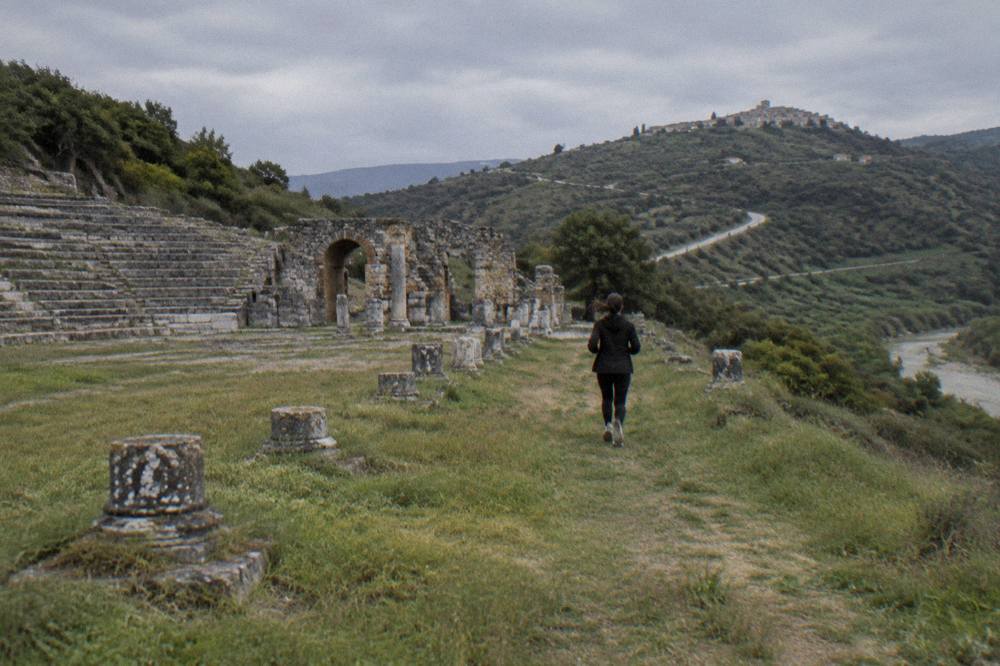
Self-drive is the most flexible approach for a small group. Car rental is available in Berat and more widely at Tirana's airport, with economy rates varying by season, and an international driving permit is recommended for non-EU licence holders. The broader driving conditions around Berat, including where to park, are covered in our Berat driving and parking guidance. Keep expectations realistic: rural Albanian roads mix good asphalt with stretches in variable condition, and signposting to minor archaeological sites is not always generous.
For travellers without a car, the tour route is often the better fit. Some operators run multi-stop heritage days from Berat or from the coast that pair ancient sites with old towns, and the practical advantage is not having to negotiate mountain roads yourself. If you are basing yourself on the coast rather than in Berat, there are also day tours that reach the Berat region directly from Durres and Golem, which can work well if your itinerary does not allow an overnight in Berat.
Getting to Berat in the first place is straightforward. Buses and shared minibuses run from Tirana's South-North bus terminal, with departures spread from early morning to late afternoon, a journey of roughly two and a half hours, and fares paid in cash, so bring small lek notes. There is no direct airport bus from Tirana airport to Berat, so you change in the city. No passenger train reaches Berat. The full picture, including what to expect at arrival, is in our Tirana to Berat transport guide.
For anyone planning a wider swing through southern Albania, Byllis can also sit on a road route between Berat and Gjirokaster; our Berat to Gjirokaster travel guide and the Gjirokaster day trip page cover that leg in detail.
What Will You See At The Byllis Site?
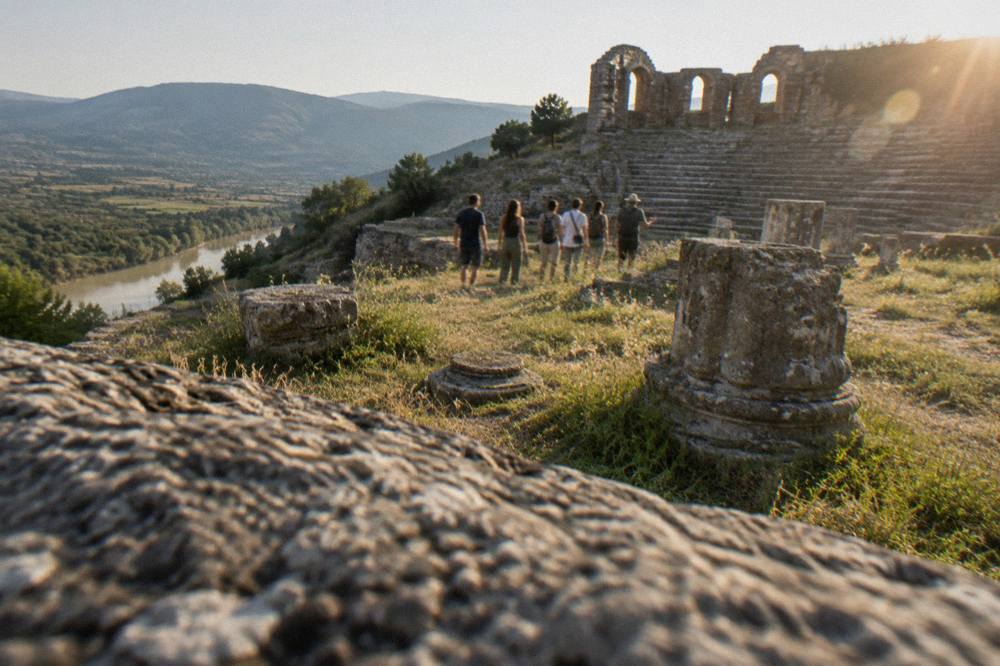
The headline sights at Byllis are its substantial circuit of ancient city walls, the remains of the theatre, and the ruins of early Christian basilicas, all spread across a high hilltop terrace with long views. The site is large and mostly open ground, so expect walking on uneven stone and earth rather than curated paths, and expect very little shade. Allow comfortable shoes, water and a hat, and treat the whole visit as an atmospheric wander rather than a museum circuit.
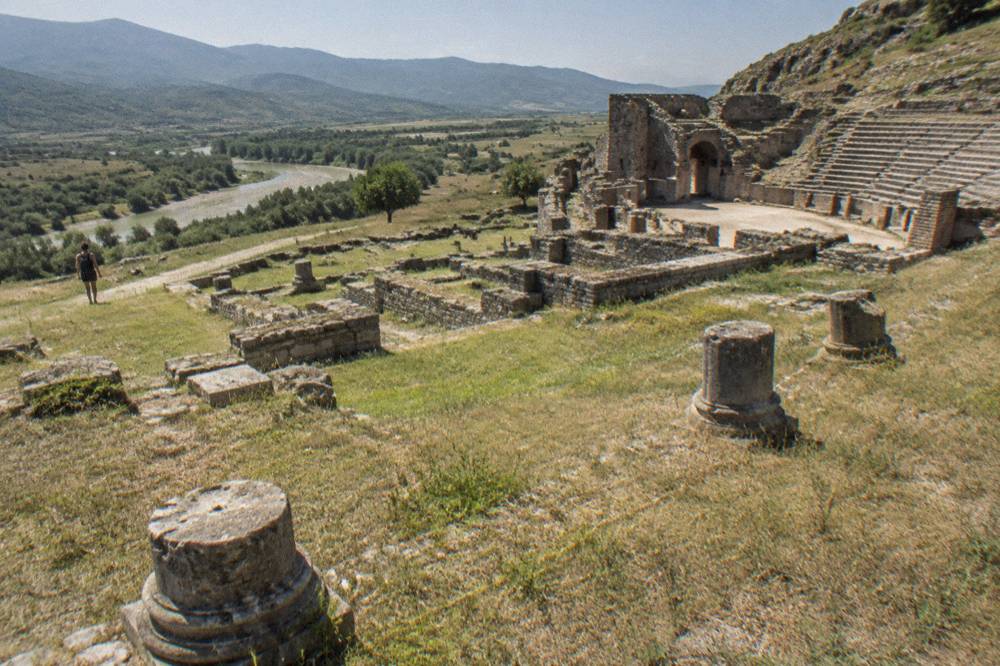
The walls are the signature feature. They run for long stretches around the edge of the hill, and walking them gives you the clearest sense of the city's original scale, far more than a photo can. Inside, the remains of streets and building foundations outline a full urban plan rather than a single monument, which is what separates Byllis from smaller fortress ruins elsewhere in Albania. The theatre, set into the hillside, and the basilica remains, which point to the city's late-antique Christian phase, are the other anchors most visitors seek out.
Two honest caveats belong here. First, this build's verified facts file records no opening hours, entry fee or guided-tour arrangement for Byllis itself, so plan for the possibility of a small gate fee in cash and confirm locally or with your tour operator before setting out; bring lek in small notes. Second, interpretive signage at minor Albanian sites is limited, and without a guide a lot of what you see remains suggestive rather than explained. That is either the appeal or the frustration, depending on the traveller.
For context on how Byllis compares with the region's other ancient sites, the table below sets the main day-trip destinations from Berat against each other.
| Site | Character | Travel Style It Suits |
|---|---|---|
| Byllis | Vast quiet hilltop ruins, ancient urban plan | Self-drive or guided heritage day, half day on site |
| Apollonia | Better-known ancient city with a museum | Coach-friendly half day, popular with cruise-coast visitors |
| Ardenica Monastery | Hilltop monastery complex, calm interiors | Easy add-on on the Berat to Fier direction |
| Berat Castle | Lived-in fortress quarter above the town | Walk-up half day from any Berat guesthouse |
If your interest in heritage days is general rather than site-specific, the Berat region also offers monastery and mosque itineraries closer to town; our Ardenica Monastery day trip page is the natural pairing with Byllis on a two-stop day.
How Much Time Should You Spend At Byllis?
Plan on roughly half a day for the site itself, plus travel time each way from Berat, which makes Byllis a comfortable half-day or full-day excursion depending on what you attach to it. The site is walkable in an unhurried loop, and there is no restaurant or shade infrastructure to linger in, so most visitors find two to three unhurried hours on the ground enough. Add a second stop such as Apollonia or Ardenica and it becomes a full day.
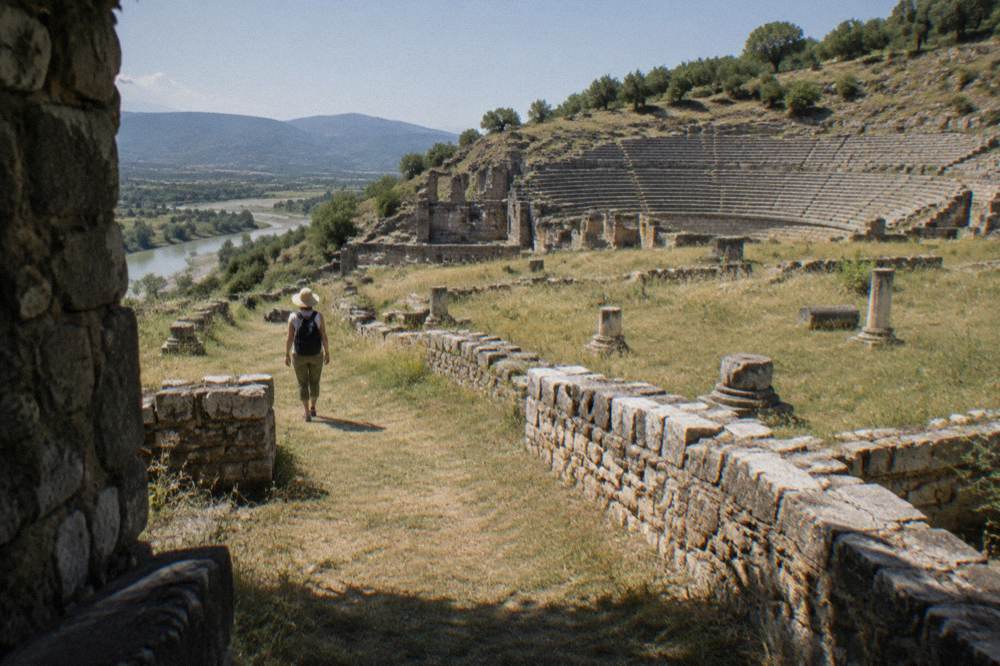
The typical shape of the day is simple: leave Berat in the morning before the heat builds, spend the middle of the day at the ruins, and be back in Berat for a late lunch in the old town, where our where to eat in Berat guide lists the dependable kitchens. Travellers who push on to a second site usually leave earlier and return in the early evening.
Timing inside the site matters more than you might expect. There is essentially no shade on the hilltop, and summer heat in this part of Albania can top 40 degrees Celsius on the worst days, so an early start is not just a habit but a comfort decision. In spring and autumn you can be more relaxed, and the softer light also flatters the stonework for photographers; our Berat photography spots guide covers the best angles in town for the same reason.
For a sense of scale, the table below sketches how Byllis fits a multi-day Berat itinerary against the region's other day trips.
| Itinerary Day | Morning | Afternoon |
|---|---|---|
| Day 1 | Berat Castle and Onufri Museum | Mangalem quarter and Gorica Bridge at sunset |
| Day 2 | Byllis ruins | Ardenica Monastery or return to old town |
| Day 3 | Osumi Canyon viewpoints | Berat wineries with tasting |
| Day 4 | Mount Tomorr region | Departure or a second canyon adventure |
If you would rather have someone else arrange the heritage leg entirely, there are guided days into the Berat region from the coast, and the Berat heritage day tour from Durres and Golem is the natural candidate, with Check availability showing current dates and the live listing price.
When Is The Best Time Of Year To Visit Byllis?
Spring and autumn are the best seasons for Byllis, when central Albania's weather is mild, the countryside is green or golden, and the exposed hilltop is comfortable to walk for hours. Summer visits are entirely possible but demand an early start, a hat and serious water, since there is no shade at the site and July and August heat can top 40 degrees Celsius. Winter days are often walkable but wet, grey conditions and short daylight cut the appeal.
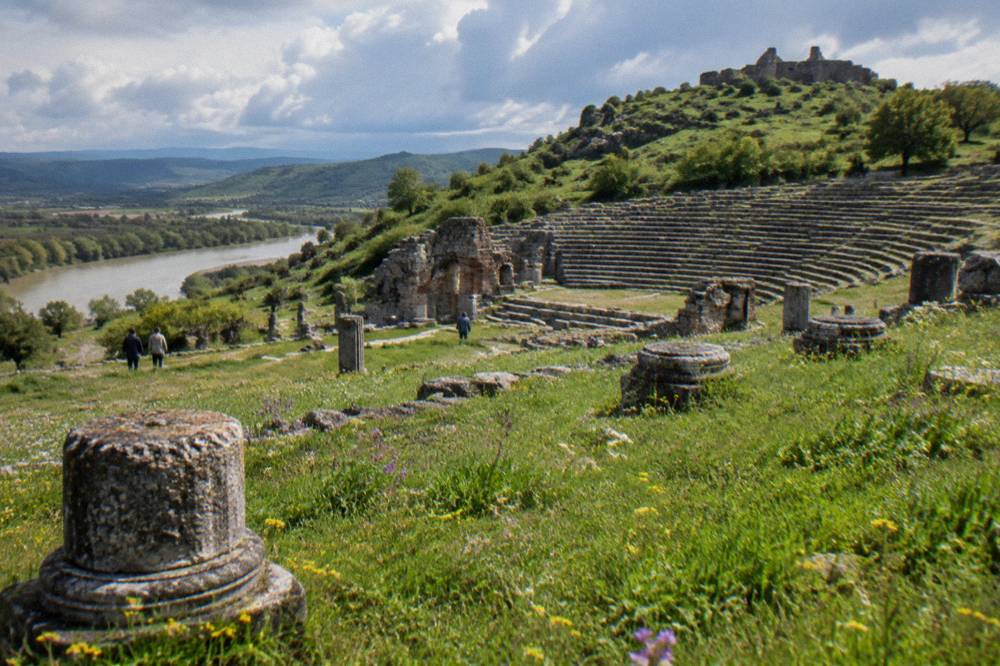
No official station climate data for Berat was verified for this build, so the honest description is qualitative: hot, dry summers and wetter winters, with rainfall concentrated from late autumn through midwinter and the driest weeks in high summer. For a ruins site with zero shelter, that pattern translates directly into planning advice. The shoulder months give you the best trade of comfortable walking, decent light and thinner crowds, and they also suit the other inland day trips around Berat, which share the same exposure.
Season also changes what a combined day looks like. In spring, the canyon adventures around Berat are in their rafting window, with operators running river trips while snowmelt keeps levels up, while the summer months shift the same operators toward tubing and swimming trips. Our Osumi Canyon rafting season guide explains how that calendar works, and the main Osumi Canyon day trip page covers the viewpoints, which unlike the paid activities carry no entrance fee.
A practical seasonal summary:
| Season | Conditions At Byllis | Best Use |
|---|---|---|
| Spring | Mild, green countryside, occasional rain | Prime season for the ruins and canyon rafting |
| Summer | Hot and dry, no shade on site | Early morning visit, then river tubing |
| Autumn | Soft light, warm days, quieter roads | Prime season, pairs well with wineries |
| Winter | Cool, grey spells, short daylight | Feasible but less rewarding |
Festival timing can add a hook if you like planning around events. In Berat itself, the Wine and Stories of Berat festival runs over the first days of October, and it lines up neatly with the best autumn conditions for a Byllis visit; our Berat wineries day trip page covers the vineyards and the festival context.
Which Other Day Trips Combine Well With Byllis?
The natural pairings are Apollonia for a second ancient site, Ardenica Monastery for a calm interior stop, and the Berat wineries for an afternoon of tasting, with the Osumi Canyon and Bogove waterfall as the region's adventure alternatives. All of these are realistic from a Berat base by car or by guided tour. Byllis's exposed hilltop makes it a morning stop in hot months, with the wineries, a monastery or a shaded old-town afternoon following it.
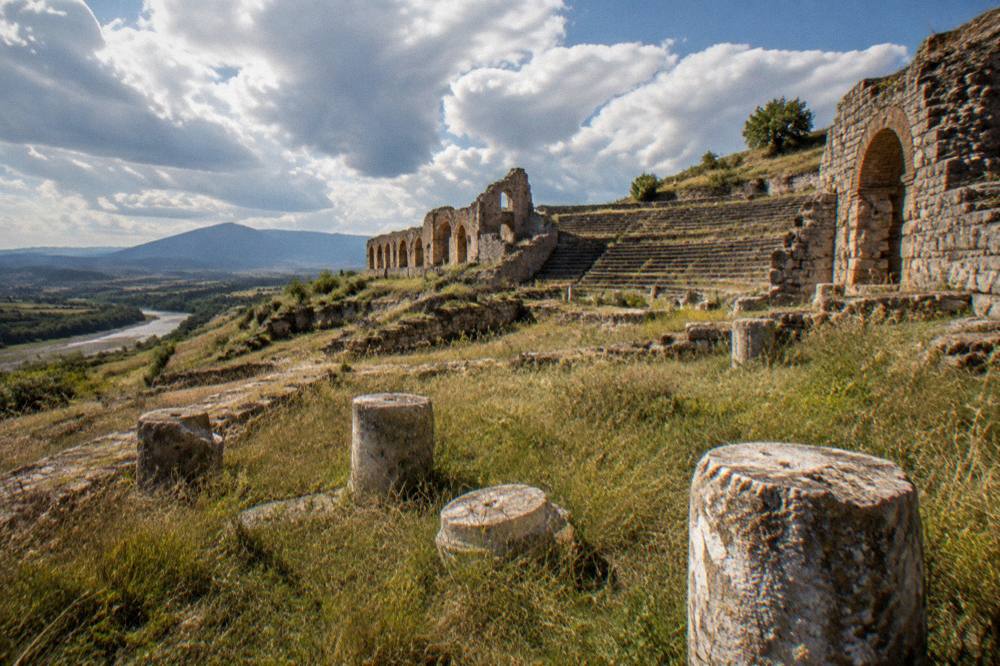
Apollonia is the obvious double-header for ancient-history travellers. It is the better-known of the two sites and carries a museum alongside the ruins, so some visitors prefer it as the anchor and Byllis as the quiet counterpoint. The two sites offer different moods: Apollonia has the name, the coach traffic and the curated exhibits; Byllis has the emptiness and the wider panorama. Done in one day by car, they make a full, satisfying ancient circuit.
For travellers whose energy runs to food and wine rather than stonework, the wineries of the Berat region are an excellent pairing with a morning at the ruins. The local wine story is genuinely distinctive: producers around Berat work with native central Albanian grape varieties, including the Shesh red and white and the local white Puls, and at least one family winery in the region makes a traditional-method sparkling Puls aged on its lees. Tastings typically come with olives, cheese and raki, and a wine afternoon slides comfortably after a morning of walking ruins.
The adventure pairings are the other branch. The Osumi Canyon near Çorovodë is protected as a natural monument, and its rim viewpoints, including the Bride's Hole and the old Italian bridge, cost nothing to visit, while the paid river trips run seasonally from spring rafting into summer tubing. Bogovë waterfall sits inside Tomorr Mountain National Park and is reached on a short forest walk from the village, making it an easy half-day pairing if you are already driving in that direction. Our Bogove waterfall guide and the Mount Tomorr day trip page cover both in detail. One planning note if your dates are flexible: the annual Bektashi pilgrimage on Mount Tomorr falls in late August and draws very large crowds and traffic restrictions in that area, so a Tomorr pairing is better outside that window.
For a completely different flavour, the beaches near Berat page covers the coast options when you want a water day instead.
How Much Does A Byllis Day Trip Cost?
The site's own entry arrangement is not verified in this build's sources, so budget a small cash amount in lek for a possible gate fee and confirm locally, and treat every bookable tour price as something to read on the operator's live listing rather than estimate here. The dependable budget items around the trip are Berat's food prices, which are low by European standards.
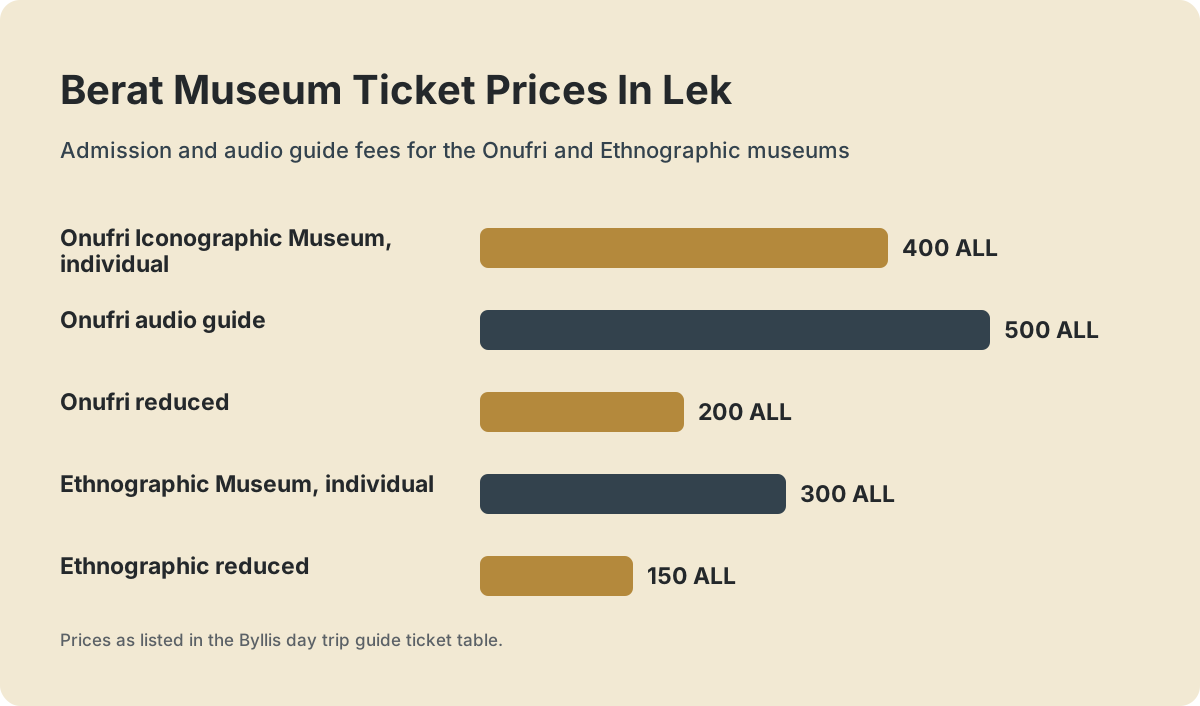
The honest cost picture for a Byllis day has three parts: transport, the site itself and food. Transport is the biggest variable, because a hire car day, a private driver and a seat on an organised tour are priced completely differently, and this build will not print invented bands for any of them. Where a tour is the right answer, the live listing carries the current price, and the conversion blocks in this article each show it directly. The site itself is the smallest line. The museums in Berat, by contrast, have verified published prices, and they are a useful calibration point for how modest Albanian heritage tickets are, as the table below shows.
| Ticket | Price In Lek |
|---|---|
| Onufri Iconographic Museum, individual | 400 ALL |
| Onufri audio guide | 500 ALL |
| Onufri reduced | 200 ALL |
| Ethnographic Museum, individual | 300 ALL |
| Ethnographic reduced | 150 ALL |
Food and drink around the trip are cheap. A cappuccino in Berat, a shot of raki where it is priced The Berat costs guide and our what to eat in Berat page carry the full breakdown, and the broader national picture is in our is Albania cheap or expensive answer.
Two money-handling notes worth the space. The currency is the Albanian lek, and the euro is not legal tender, though some tourist businesses accept it informally and give change in lek at rates that rarely favour you. The old town in Berat is largely cash territory, cards are accepted patchily, and standalone ATMs can carry high fees, so withdraw at bank branches and carry small notes. Our money and currency in Albania guide covers all of it, including where the official exchange rate stands.
Should You Take A Tour Or Visit Byllis Independently?
Independent visits suit confident drivers who want the freedom to linger and to add stops on a whim, while tours suit travellers without a car, anyone uneasy on mountain roads, and visitors on short itineraries who value the interpretation a guide adds at an unsigned site. Byllis's lack of interpretive material is the strongest argument for a guided day: a good guide turns suggestive stones into a story, and transport, timing and the gate question are all handled for you.
The trade-off table is short but decisive for most people.
| Factor | Independent Self-Drive | Organised Day Tour |
|---|---|---|
| Flexibility to linger or add stops | Full | Set itinerary |
| Road logistics on rural routes | Your responsibility | Handled |
| Interpretation at the ruins | Limited signage | Guide narration |
| Fits a short, one-night stay | Rarely | Well |
| Cost structure | Car plus fuel plus possible fees | One listing price on the tour page |
A middle path exists and works well: stay in Berat, walk the town with a local expert to get your bearings on its own history, and then drive to Byllis on a second day with everything you have learned fresh in mind. The premium walking tour of Berat with expert guides is exactly that kind of orientation walk, and its live listing shows the current dates and price. Guides who know the town's layered history are also, in practice, the best source of same-day ground truth on Byllis access, opening arrangements and road conditions.
For travellers building the whole trip around one base, Berat rewards the approach. This Berat Travel Guide site exists for exactly that reason: the town has enough castles, museums, mosques, wineries and canyon adventures within range that a week can fill without repeating yourself, and Byllis is one of the quieter feathers in that cap. If your interests tilt toward water rather than stone, the swim and float canyon trip to Bogove waterfall is the region's most refreshing counterpoint to a hot morning among ruins.
Whichever way you go, keep Byllis's essential character in mind when you plan. This is not a ticketed attraction with queues and facilities; it is a wide, silent hilltop where an entire ancient city lies open under the sky. Go early or go in the shoulder season, carry water and lek, and give the stones a slow loop. Few day trips from Berat deliver this much history with this few people sharing it.
Common Questions About Byllis
What is Byllis Albania?
Byllis is a large ancient archaeological site on a hilltop in central Albania, within day-trip range of Berat. Its circuit of defensive walls, theatre remains and early Christian basilica foundations outline a whole ancient urban plan rather than a single monument, and it stands on a high terrace with wide views over the surrounding countryside.
How do you get from Berat to Byllis?
The dependable options are a hire car, a locally arranged taxi or an organised day tour. This build's verified sources record no schedule, fare or journey time for a direct public transport link between Berat and Byllis, so treat self-drive or a pre-booked tour as the reliable choices and check any minibus options on the ground once in Berat.
Is there an entry fee at Byllis?
This build's verified facts file records no confirmed opening hours or entry fee for Byllis. Plan for the possibility of a small gate fee paid in cash, carry lek in small notes, and confirm the current arrangement locally or with your tour operator before you set out.
How long should you spend at Byllis?
Roughly two to three unhurried hours on the site itself, which usually means half a day including travel from Berat. Add a second stop such as Apollonia, Ardenica Monastery or a Berat winery and the day fills naturally. There is no shade on the hilltop, so in summer go early.
When is the best time of year to visit Byllis?
Spring and autumn, when central Albania is mild and the exposed hilltop is comfortable to walk. Summer is possible but hot, with heat that can top 40 degrees Celsius, so visit early in the day and carry water. Winter days can be walkable but wet, grey conditions and short daylight reduce the reward.
Can you combine Byllis with other day trips from Berat?
Yes. Apollonia is the natural second ancient site, Ardenica Monastery is an easy interior stop, and the Berat wineries make a relaxed afternoon pairing. For adventure alternatives, the Osumi Canyon and Bogovë waterfall are both realistic from Berat by car or on a guided tour.