Berat Winery
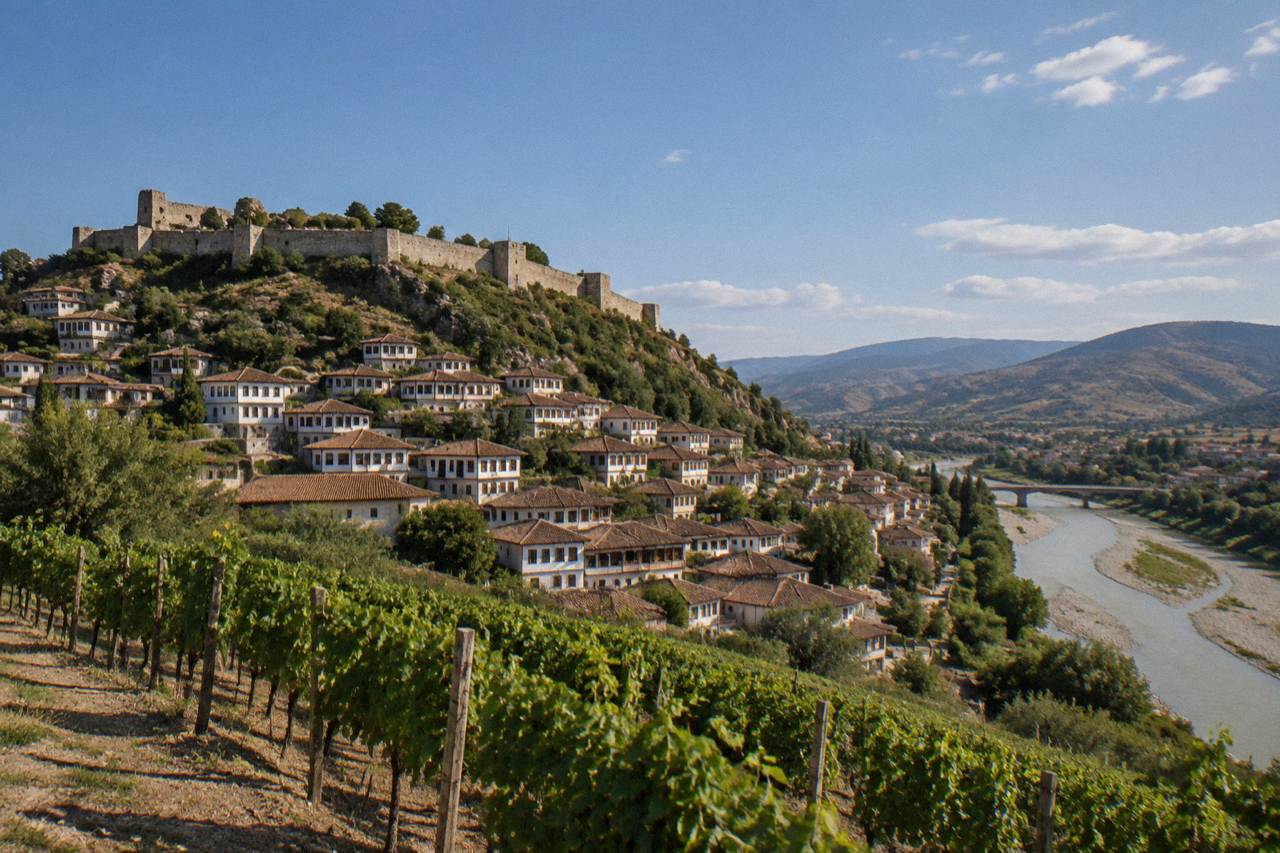
Berat, in central Albania, is a UNESCO World Heritage Ottoman-era hill town on the Osum River, and it also sits at the centre of one of the country's most interesting wine regions. This guide covers the wineries you can actually visit, the native grapes worth tasting, and how to plan a wine day around the town.
Short answer
Berat winery visits revolve around a ring of family producers in and around the Osum valley, including Cobo, Pupa, Alpeta, Luani, Nurellari and Edoni. Most tastings pour native Albanian grapes such as Shesh i Zi, Shesh i Bardhë, Vlosh and the local white Puls. Guided winery tours from Berat run around three hours with transfers included, and the Wine and Stories of Berat festival runs 2 to 4 October 2026.
Berat, in central Albania, is best known as the city of a thousand windows, a UNESCO World Heritage Ottoman-era hill town on the Osum River, but the hills around it carry vines that have been worked for generations. A Berat winery visit is not a drive out to a single polished estate; it is a compact circuit of family producers scattered through the Osum valley and the villages just south of town, most of them pouring grapes you will not find on a shelf anywhere else. The region's identity rests on native varieties, Shesh i Zi and Shesh i Bardhë from central Albania, plus the rare local white Puls, also called Pulëz, which one Berat producer turns into a traditional-method sparkling wine. Between the tastings, the cooking classes that pour the same bottles over a home-cooked lunch, and a three-day wine festival held inside the old town every October, Berat works as one of the few Balkan towns where you can build an entire trip around the glass.
What Is A Berat Winery Visit Actually Like?
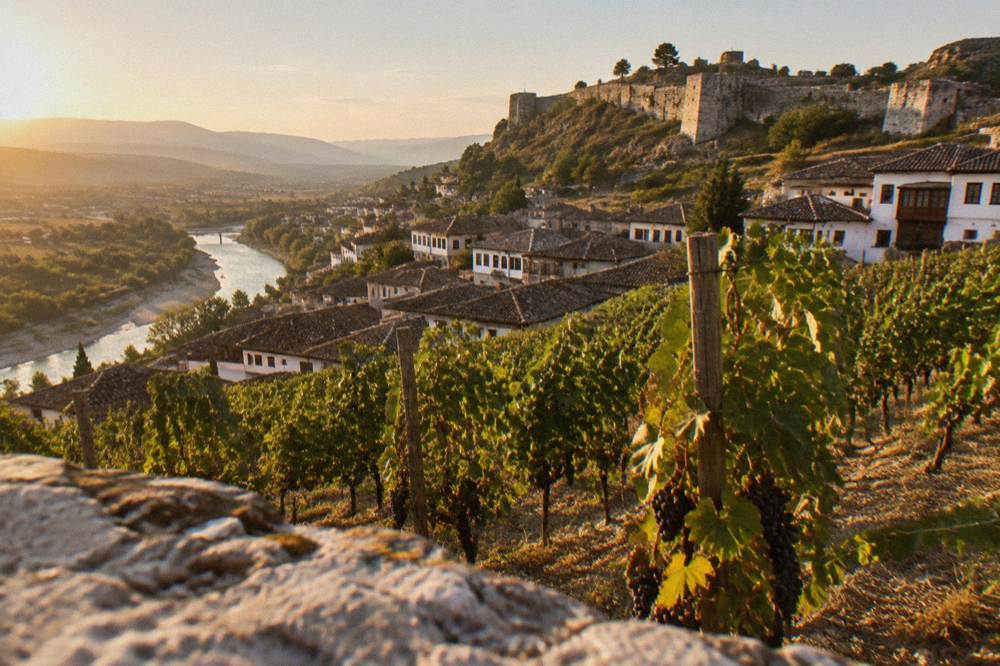
A Berat winery visit is usually a short, informal tasting at a family-run estate within easy reach of the old town: a guided walk through the vineyard or cellar, a line-up of three or more wines with raki and local snacks, and a host who is often a member of the family that made the pour in your glass. It is small-scale by design. The producers here are not industrial estates with visitor centres and coach parks; they are working wineries that have opened tasting rooms and, in several cases, expanded their enotourism offer with new tasting areas and vineyard paths in recent years. Expect stone courtyards, olives and cheese on the board, and generous pours. Tastings are typically accompanied by local products rather than a restaurant menu, and the pace is unhurried. Because the scene is compact, most visitors string two or three stops together across a day, or take a single guided tour that bundles the driving for them.
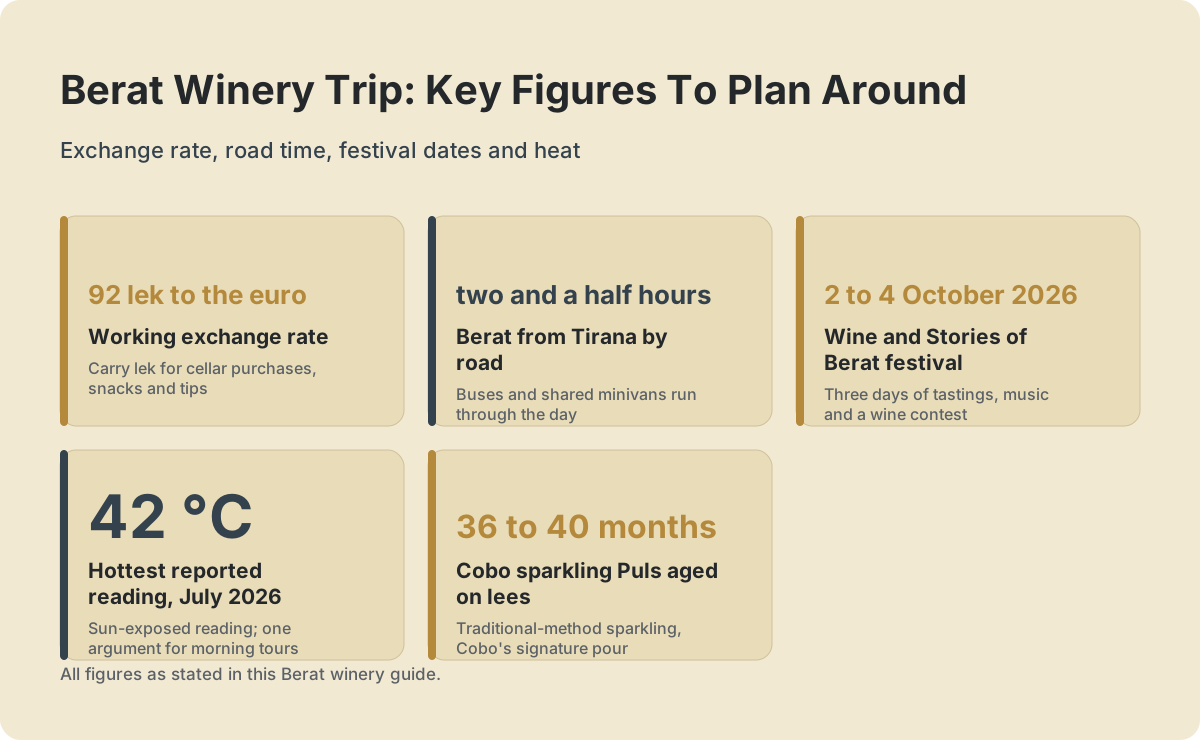
The flavour of the experience comes from the grapes. Berat's producers work with native and near-native varieties rather than the international brands you find everywhere else, which means a tasting here often doubles as a lesson in what Albanian soil does to a glass. The white Puls grape is the local curiosity: a rare Berat-area variety that was rescued for both still and sparkling production, and one winery ages its traditional-method sparkling version on its lees for 36 to 40 months before release. If you have tasted your way through other Balkan wine regions, that is the pour that will feel genuinely new.
A word on practicalities. The old town and Mangalem quarter remain largely cash territory, and while cards are creeping into hotels and larger venues, you should carry lek for cellar purchases, snacks and tips. Roughly 92 lek to the euro is a fair working rate for your mental arithmetic, and change from a euro payment, where it is accepted informally at all, usually comes back in lek.
Which Wineries Can You Visit Around Berat?
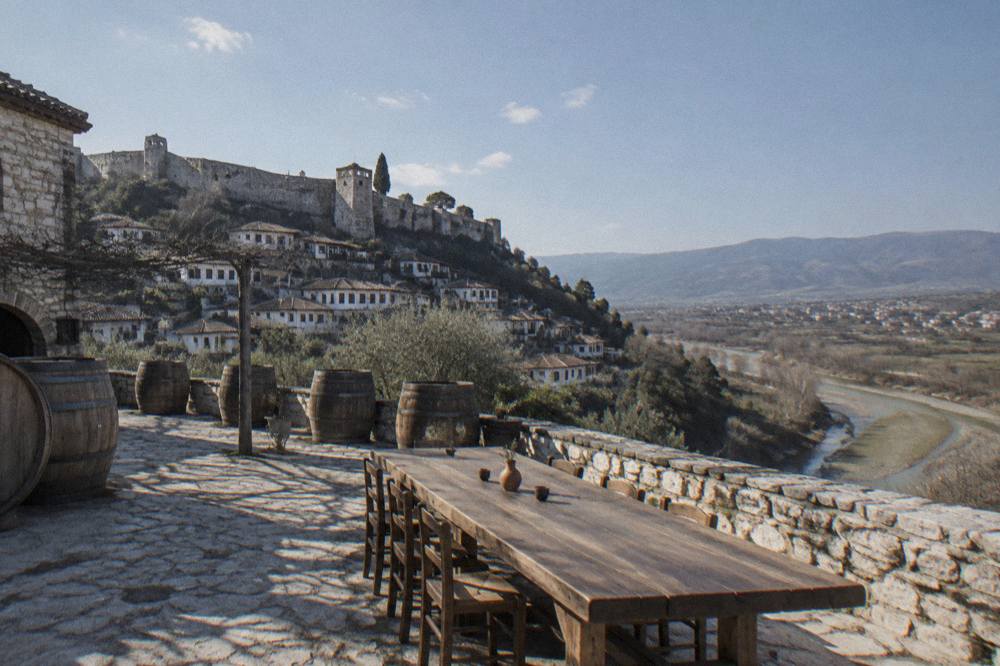
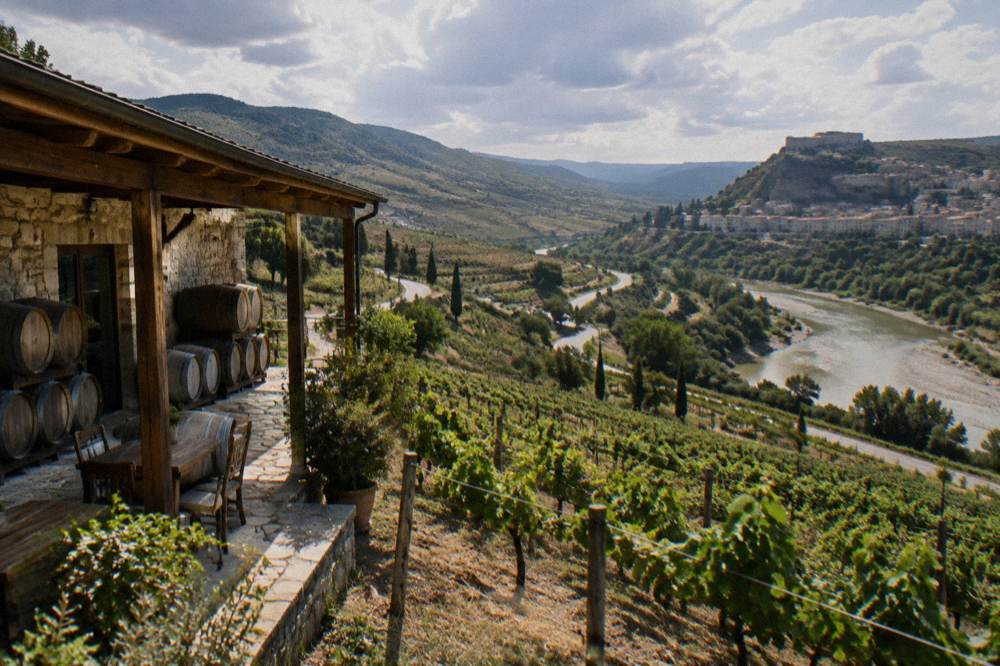
The wineries you can realistically visit from Berat are Cobo, Pupa, Alpeta, Luani, Nurellari and Edoni, a ring of family producers in and around the Osum valley, with Cobo the most documented thanks to its native-variety focus and its traditional-method sparkling Puls. Cobo is the name to know: a family-run estate that produces from Shesh i Bardhë, Shesh i Zi, Vlosh and Puls, and that has been visibly investing in enotourism, with new tasting areas and vineyard paths reported in 2026 coverage. Pupa is the stop most often built into guided tastings from town. Alpeta, up in the village of Roshnik on the slopes of Mount Shpirag, pairs its Puls-based pours with vineyard lunches and a terrace view that photographers tend to rate as highly as the wine.
| Winery | Base | Signature pour | Why visitors choose it |
|---|---|---|---|
| Cobo | Berat region | Traditional-method sparkling Puls, aged 36-40 months on lees | The clearest native-variety story, plus new tasting areas and vineyard paths |
| Pupa | Berat outskirts | Still wines from local varieties | The most common stop on guided winery tours with transfers |
| Alpeta | Roshnik, Mount Shpirag slopes | Puls-based whites | Vineyard lunches and a hillside terrace above the valley |
| Luani | Berat region | Local reds and whites | A smaller family stop often paired with a second winery on a tour |
| Nurellari | Berat region | Local reds and whites | Compact family tasting room, often combined on a circuit |
| Edoni | Berat region | Local reds and whites | A short, informal pour on a village route south of town |
The honest limitation: exact current tasting prices at individual wineries were not verified for this guide, so plan on confirming the fee when you book or when you arrive at the gate, and carry enough lek to cover it. What is documented is the shape of a typical guided tasting: transfers from your accommodation in Berat, three or more wines, a pour of raki, and local snacks such as olives and cheese alongside the pours.
If you want to stretch the day beyond the cellar door, the region rewards a mixed itinerary. The canyon country of Skrapar, described in our Osumi Canyon day trip guide, sits south of the vineyards, and the pairing of a morning viewpoint walk with an afternoon tasting is a natural one. Closer to town, the castle quarter and its lanes are covered in our Berat Castle attraction guide, which is worth reading before you book anything, because the tasting circuit and the town's main sight sit within the same half hour of driving.
Which Wine Tours And Tastings Should You Book In Berat?
The strongest wine bookings in Berat are a guided winery tour with transfers and tastings, which handles the driving and the cellar bookings for you, and, if you want the full table experience, a cooking class that pairs the same bottles with a home-cooked meal, with wine-focused walking tours as a third option for tasting inside the old town itself. The guided winery tour is the format that fits most first visits: you are collected in Berat, taken to one or two of the family producers above, and walked through the pours without needing a car or a reservation of your own. It is also the safest answer for anyone whose trip includes a driver-free day, since the last place you want to be finding your way after a third glass is an Albanian country road. A cooking class changes the frame entirely: instead of standing at a cellar counter you are at a family table, and the wine arrives alongside dishes you helped cook.
The single most-booked winery format from Berat is the guided winery tour with transfers and tastings, a roughly three-hour circuit that collects you in town and takes you out to a producer such as Pupa, walks the vineyard, and pours three or more wines with raki and snacks on the table. You can read the full details and current pricing on the Berat guided winery tour page, or check live availability on the operator's listing at Check availability.
For a slower, table-based version of the same region, Mama Nina's cooking class is the cooking-and-wine pairing visitors write home about, a roughly three-hour session in a family kitchen that ends with everyone eating together. It suits couples and families better than a cellar crawl does, and it is a good fallback in shoulder-season weather when the vineyard terraces lose their appeal. The class details and current price are on the Mama Nina's cooking class page.
One planning note that belongs here rather than buried in a FAQ: if your base is Tirana or the coast rather than Berat itself, a wine-focused day still works, but you will usually be folding the tasting into a wider Berat day trip. The most-booked full-day format from the capital and the coast combines the UNESCO old town, the castle and Belshi Lake in a single loop, and you can read it on the Berat UNESCO and Belshi Lake day trip page, with live dates and current pricing on the operator's listing.
What Should You Taste At A Berat Winery: The Native Grapes?
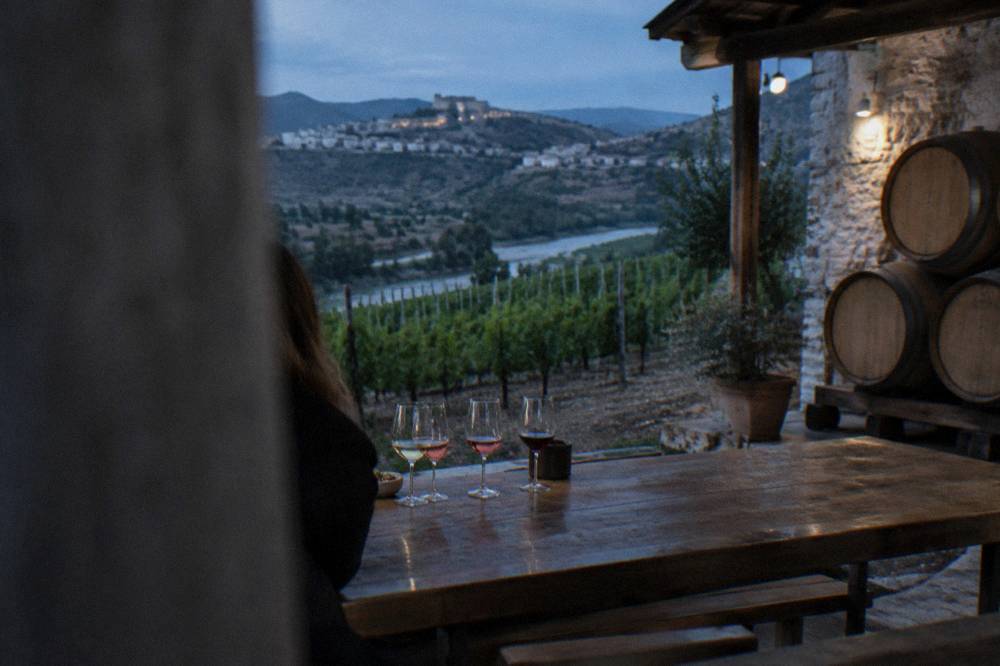
The four names to look for on any Berat tasting sheet are Shesh i Zi, a native central-Albanian red, Shesh i Bardhë, its white counterpart, Vlosh, a red grown in the region's vineyards, and Puls, the rare local white that Berat producers rescued for both still and sparkling wine, including a traditional-method version aged 36 to 40 months on its lees. Shesh in both colours is the backbone of central Albanian winemaking, the grape that appears on nearly every local table. Puls is the one you cannot get elsewhere: a Berat-area variety that had all but disappeared from commercial production before being brought back, first as a still white and then as a bottle-fermented sparkling wine made in the classic method.
| Variety | Colour | Status in the region | What to expect in the glass |
|---|---|---|---|
| Shesh i Zi | Red | Native central Albanian variety, widely planted | The everyday local red, poured at family tables across central Albania |
| Shesh i Bardhë | White | Native central Albanian variety, widely planted | The workhorse white behind most local dry pours |
| Vlosh | Red | Grown by Berat-region producers such as Cobo | A regional red, part of Cobo's native-variety line-up |
| Puls (Pulëz) | White | Rare Berat-area variety, rescued for still and sparkling production | The local curiosity, including a traditional-method sparkling aged 36-40 months |
Raki deserves a paragraph of its own, because it will appear at your tasting whether or not you ordered it. The fruit brandy is poured across Albania as a greeting, and a winery tasting usually ends with a small glass alongside the snacks. Village tours in the canyon country, such as the one described in our Bogove waterfall and canyon guide, sometimes build a stop at a rakia-making village into the day, which is a fuller introduction to the spirit than the cellar pour.
When Is The Best Time To Visit Berat Wineries?
The best time for a Berat winery trip is late September into early October: the summer heat has eased, the harvest is arriving in the cellars, and the Wine and Stories of Berat festival runs 2 to 4 October 2026 across three days of tastings, music and a wine contest judged by Austrian and Italian oenologists and sommeliers. The festival is the single best-documented date on the region's calendar, and it turns the whole town into a tasting room: Albanian and Kosovo wineries pour in the old centre, and the culinary side stretches to artisanal cheese, olive oil, and fig and jam tours. If you can only pick one weekend for wine in Berat, that is the one.
| Wine season | What it is like | Why it matters for your visit |
|---|---|---|
| Spring | Mild, green vineyards after the winter rain | Comfortable touring weather; vines are leafing but the cellar is quiet |
| Summer | Hot and dry, with heat that can top 40 °C | Terrace tastings in the evening; midday touring is heavy going |
| Late September to October | Heat easing, harvest arriving, festival season | The region's highlight: crush in the cellars and the festival in town |
| November to winter | Wetter, quieter, cellars resting | Cozy indoor tastings; some rural stops reduce hours |
A note on climate honesty: no official station normals exist for Berat, so this guide stays qualitative. Summers here are hot and dry, and one July 2026 day was reported as the hottest of the year with sun-exposed readings near 42 °C, which is a real argument for morning tours and evening pours in July and August. Winters are wetter and quieter. For a fuller seasonal picture, see our Berat weather guide.
Can You Do A Berat Winery Day Trip From Tirana Or Durres?
Yes: Berat sits roughly two and a half hours from Tirana by road, with buses and shared minivans running through the day from Tirana's South-North terminal, so a wine-focused day trip is practical both on your own, with an overnight in a Mangalem guesthouse, and as a guided full-day tour from Tirana, Durres or Golem that folds the old town and a tasting into one booked loop. Independent travellers should know the shape of the journey: departures from the capital run from early morning to late afternoon, the fare is paid in cash and runs to a few hundred lek, and there is no direct airport bus to Berat, so you change in Tirana. No passenger train reaches Berat; the national railway link that would serve the region is under reconstruction with a target of end-2027.
The guided option trades flexibility for simplicity, and for a single day it is usually the right trade. A booked day trip collects you at your coast or capital hotel, covers the castle and the Mangalem quarter with a guide, adds the Belshi Lake stretch on the longer versions, and returns you in the evening without a bus timetable to catch. Whether the format works for you depends on how much of the day you want to give to wine itself: dedicated wine tours depart from Berat, so a wine-first itinerary pairs a general Berat day trip with a night in town and a tasting circuit the next morning. Our Tirana to Berat transport guide walks the routes in detail, and if you are weighing the whole country, our piece on the prettiest town in Albania explains where Berat sits in the ranking.
What Food Goes With Berat Wine?
The classic pairings at a Berat table are the town's own dishes, qifqi, the local rice dumplings seasoned with mint and fennel, tavë kosi, lamb baked with yogurt and eggs, and japrak, stuffed grape leaves, served with the local reds at family restaurants and in the cooking classes that end with everyone eating together. This is peasant food with a long pedigree, and it happens to be exactly what local wine wants: the yogurt tang of tavë kosi against a Shesh i Zi red is the pairing most Berat hosts will reach for first, while qifqi, a Gjirokastra-born specialty that has crossed into Berat kitchens, works as the snack between pours.
| Local dish | What it is | Where it fits a wine day |
|---|---|---|
| Qifqi | Rice dumplings with mint and fennel | The classic between-tastings snack, easy to grab in the old town |
| Tavë kosi | Lamb baked with yogurt and eggs | The main-course pairing for a local red at lunch |
| Japrak | Stuffed grape leaves | A cooking-class staple and a natural match for local whites |
| Byrek | Savory filled pastry | A cheap morning bite before a midday tasting circuit |
The cooking-class format deserves the last word on food, because it is where the region's two strengths, its kitchens and its cellars, actually meet. Sessions in family homes and village kitchens run three to four hours, you cook alongside the hosts, and the wine is poured from the same local bottles you tasted the day before. Slow Food has a community headquartered in Berat that works on preserving exactly these traditional recipes, and cooking classes in the area emphasise local and organic ingredients, japrak included. For restaurants in town, our where to eat in Berat guide lists the places serving these dishes, and our what to eat in Albania overview puts the price of a meal in context for budgeting.
How Do You Plan A Two-Day Berat Wine Weekend?
A two-day wine weekend in Berat works best as one day on the town and one day in the vines: day one for the castle, the Onufri Museum inside it, and the old-town quarters on foot, day two for a morning cooking class or winery circuit south of town, with the whole plan bookable as one guided winery tour plus a walking tour, and an overnight in a Mangalem or Gorica guesthouse between them. The practical anchor is the walking-tour layer: Berat's old town is dense enough that a two-hour guided walk early in the trip pays for itself in orientation, and the expert-guided premium walk, a two-hour format with coffee and gliko tasting folded in, is the version most worth booking. You can compare it with the free GuruWalk options, where a tip-based walk through the UNESCO old town covers the same lanes with no fixed price at all.
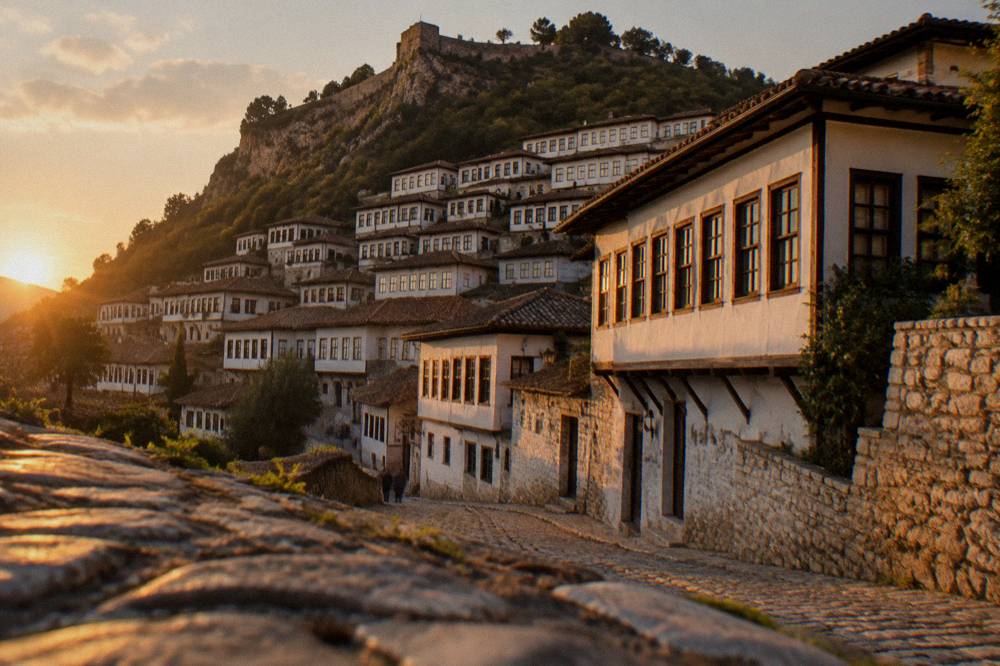
Accommodation is the other half of the plan. Guesthouses inside the castle walls and in the Mangalem quarter put you within walking distance of the evening tables, and typical nightly rates run from the mid-forties to around eighty dollars, though summer weekends push higher and you should treat any rate as a planning range rather than a promise. Our where to stay in Berat guide breaks the quarters down by atmosphere and parking, which matters if you have a rental car, since vehicle access into the castle quarter is being restricted and the parking below the walls is the reliable plan.
Safety and practicality on a wine weekend are unremarkable in the best way. Albania is not in the European Union and not in the Schengen area, so visitors from the UK, EU and several other regions enter visa-free for up to 90 days in any 180, while US citizens can stay up to a year without a residency permit. The lek is the currency, the old town runs on cash, and the usual advice about watching your belongings in crowded evening areas applies, as covered in our is Berat safe guide. None of it should slow down a wine itinerary.
What Else Should You Fold Into A Berat Wine Trip?
Beyond the cellars, the high-value additions to a Berat wine trip are the Osumi Canyon viewpoints and rafting runs south of the vineyards, the lakes and ridges of Mount Tomorr National Park to the east, and the monasteries and archaeological sites, Ardenica, Apollonia and Byllis, that sit conveniently on the driving loops between Berat and the coast or the capital. The canyon is the natural pairing: a protected natural monument of river gorges near Çorovodë, with no entrance fee to view it from the rim, and operators running rafting in spring when the snowmelt is high and tubing through summer and autumn when the water calms. Our Osumi Canyon rafting guide covers the season logic, and the Mount Tomorr guide covers the peak that dominates the whole skyline, a national park.5 hectares whose summit, Çuka e Partizanit, reaches 2,416 metres.
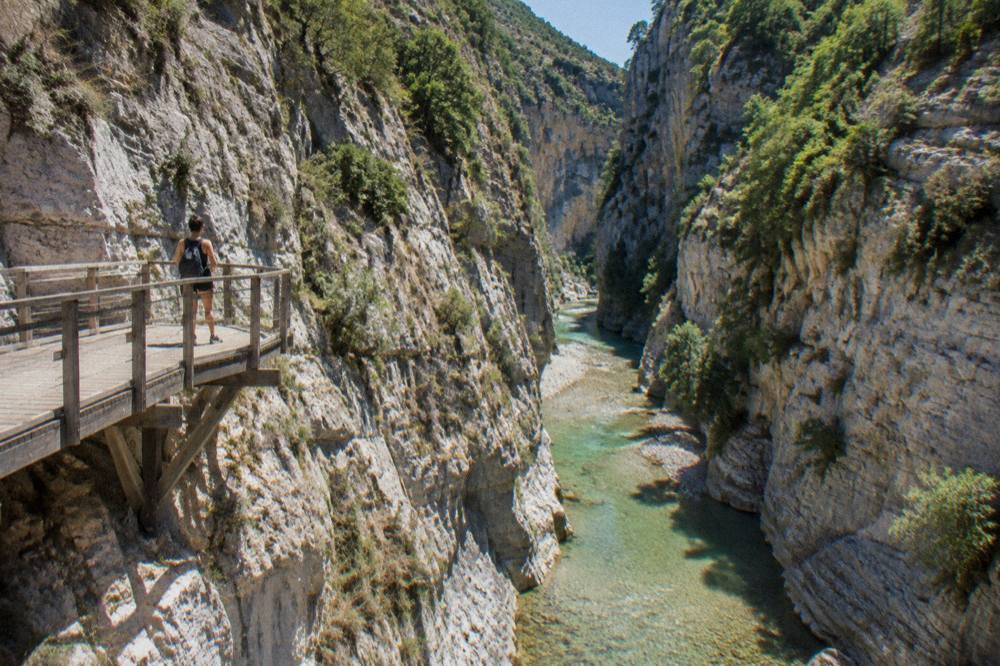
The monastery and ruin circuit suits travellers who like their wine days to end somewhere older than the cellars. Ardenica Monastery, covered in our Ardenica guide, sits on the drive between Berat and the coast. Apollonia's ruined city, described in our Apollonia guide, and the hilltop site of Byllis, in our Byllis guide, both pair well with a morning tasting and an afternoon among columns. The pattern that works for most visitors is one anchor sight per day plus one cellar, rather than stacking three stops into a rushed loop.
Common Questions About Berat Wineries
What Is a Berat Winery Visit Actually Like?
A Berat winery visit is a short, informal tasting at a family-run estate near the old town: a walk through the vineyard or cellar, three or more wines with raki and local snacks, and a family host explaining the native grapes. It is small-scale and unhurried, with olives and cheese on the table rather than a restaurant menu.
Which Wineries Can You Visit Around Berat?
The main visitable producers are Cobo, Pupa, Alpeta, Luani, Nurellari and Edoni, all within the Berat region. Cobo pours Shesh i Bardhë, Shesh i Zi, Vlosh and Puls, including a traditional-method sparkling Puls aged 36 to 40 months on its lees, while Alpeta in Roshnik pairs Puls-based whites with vineyard lunches.
When Is the Best Time to Visit Berat Wineries?
Late September into early October is the peak, with the harvest arriving in the cellars and the Wine and Stories of Berat festival running 2 to 4 October 2026 over three days of tastings, music, artisanal food and a wine contest judged by Austrian and Italian oenologists and sommeliers.
What Grapes Should You Taste in Berat?
Taste the native four: Shesh i Zi, the everyday central Albanian red; Shesh i Bardhë, its white counterpart; Vlosh, a regional red; and Puls, the rare local white rescued for still and sparkling production, which is the pour you will not find outside the region.
Can You Visit a Berat Winery on a Day Trip From Tirana or Durres?
Yes. Berat is roughly two and a half hours from Tirana by bus or minivan, and guided full-day tours from Tirana, Durres and Golem fold the old town, the castle and a tasting into one booked loop. For a wine-first trip, most visitors stay a night in Berat and take a dedicated winery tour from the town itself.
How Much Does a Berat Winery Tasting Cost?
Exact current tasting fees at individual wineries were not verified for this guide, so confirm the fee when you book or at the gate and carry lek for it. For bookable tours, prices and ratings are shown on the live listing for each tour rather than printed here, and bookings typically come with free cancellation.
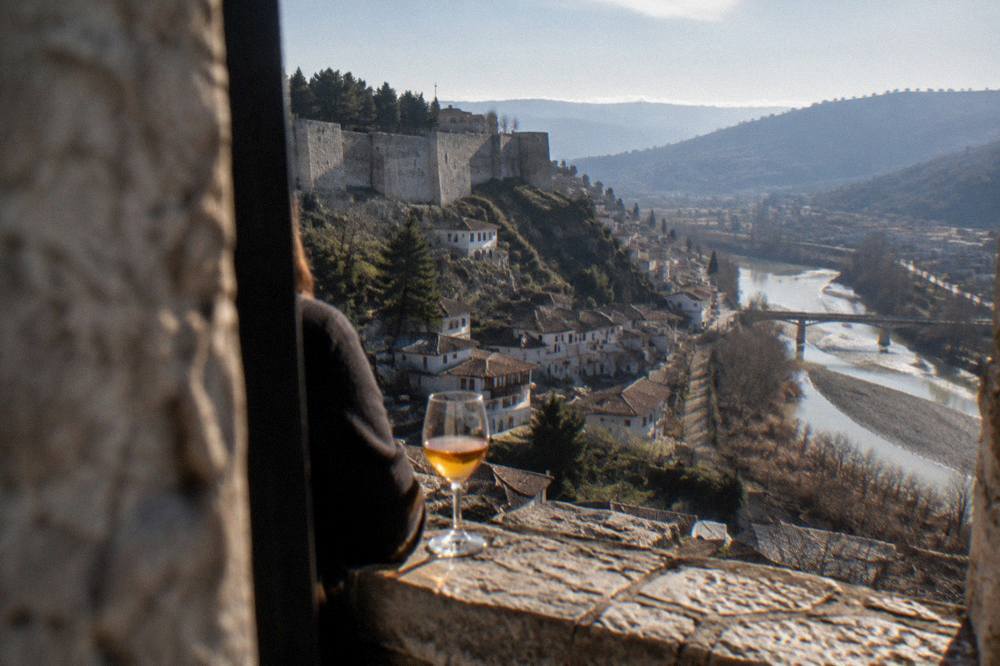
Whether you come for the sparkling Puls, the festival weekend in October or simply a long lunch under the vines of Roshnik, the Berat winery circuit is one of the most rewarding ways to spend two days in central Albania, and it pairs naturally with everything else this Berat Travel Guide covers, from the canyon country south of town to the guesthouse terraces of Mangalem. Book the winery tour early if your trip falls anywhere near the festival, carry lek for the cellar doors, and leave room in the itinerary for a second glass.