Is Albania Safe
Berat, the UNESCO World Heritage Ottoman-era hill town on the Osum River in central Albania, is one of the calmest places a visitor to the Balkans can choose. This guide sets out what official advice actually says, what the real risks look like on the ground, and how to keep a trip trouble-free.
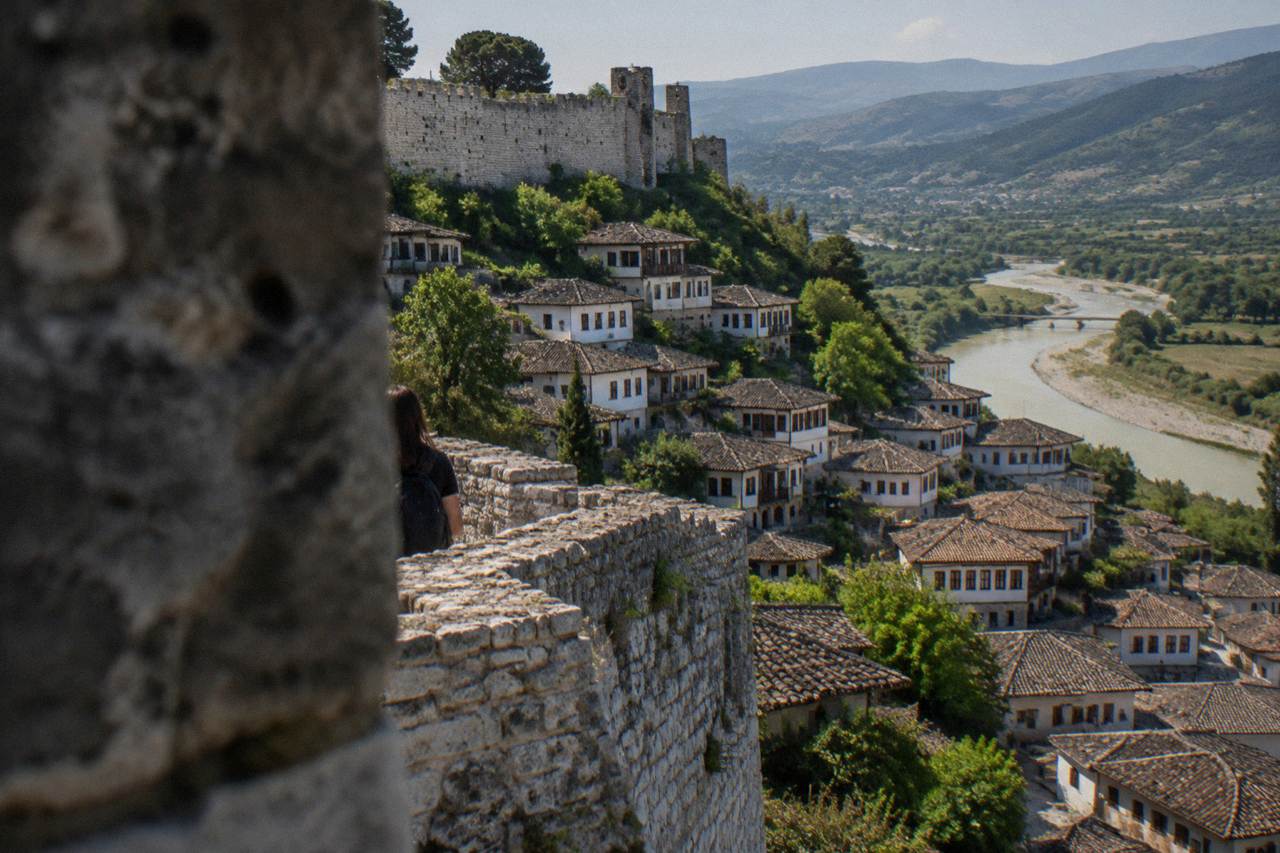
Short answer
Berat is widely considered a low-risk destination. UK FCDO advice carries no warning against travel to any part of Albania, and the US State Department rates Albania Level 2, Exercise Increased Caution, the same level applied to much of Europe. Violent incidents involving visitors in Berat are rare; the practical risks are petty theft, road behaviour and summer heat.
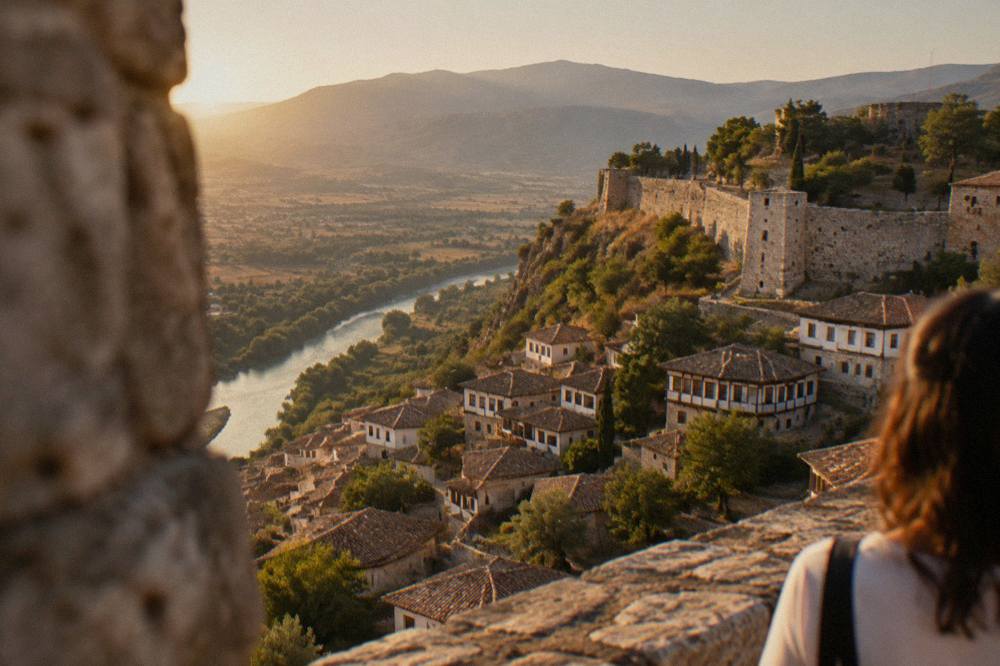
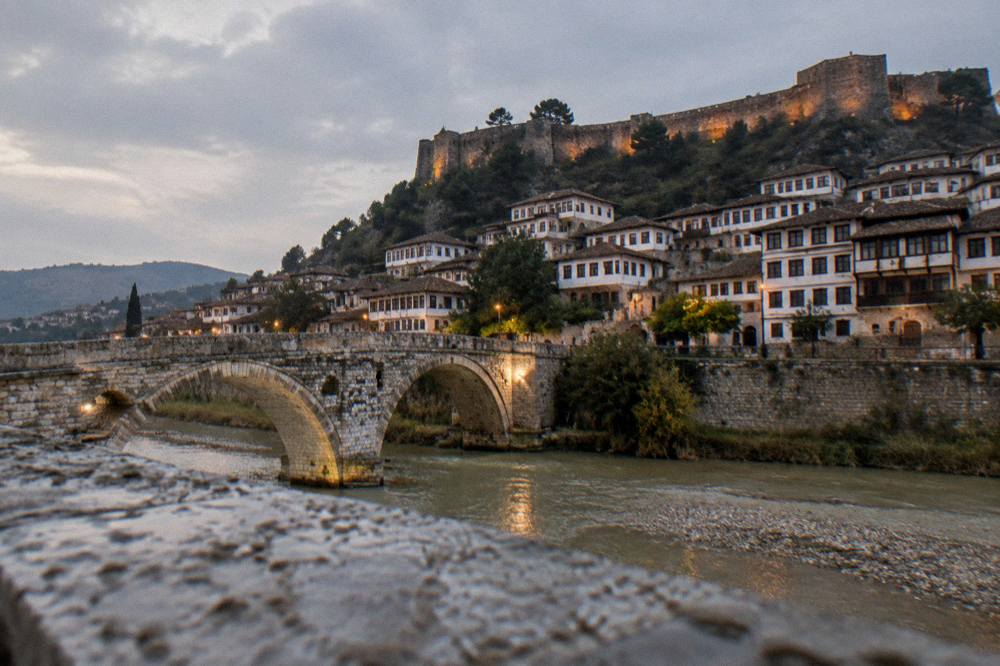
Berat sits on the Osum River in central Albania, a town of white Ottoman houses stacked up a hillside below a castle, and it asks very little of a visitor in the way of caution. The town is small, walkable and quiet by Balkan standards, its historic quarters are lived in rather than touristic, and the kind of opportunistic crime that shapes safety perceptions in bigger cities is thin on the ground here. That said, "safe" deserves a proper answer rather than a slogan, and this guide gives it one: what the foreign ministries actually advise, what the documented incidents in and around Berat look like, and where the genuine, ordinary risks lie for a traveller in 2026.
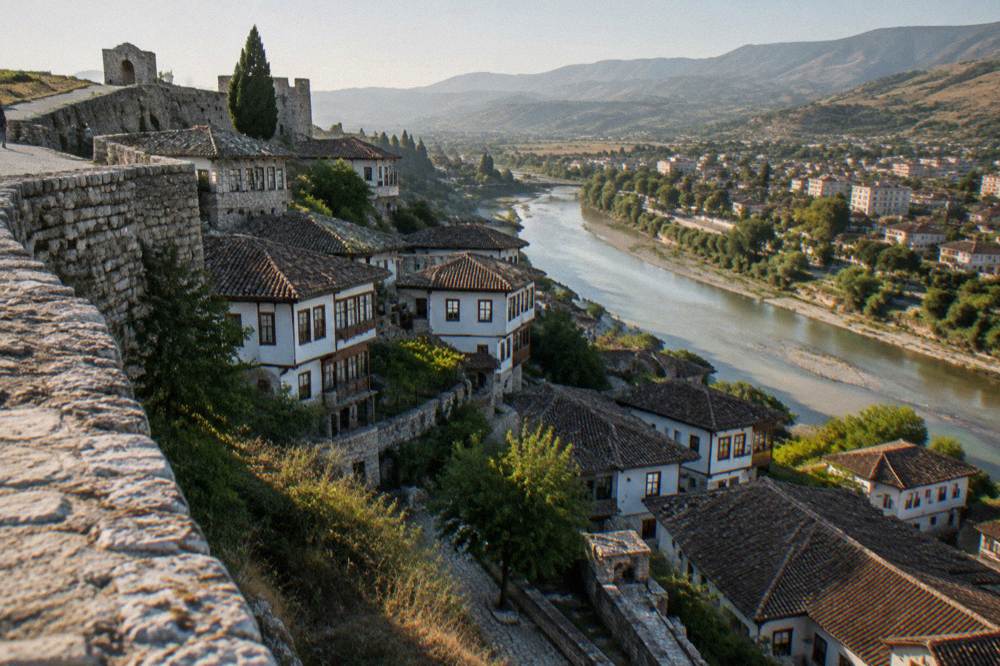
Is Berat Safe For Tourists Right Now?
Yes, Berat is a low-risk destination for tourists by any reasonable regional standard. The UK Foreign Office carries no advice against travel to any part of Albania, and the US State Department rates the whole country Level 2, Exercise Increased Caution, which is the same band it applies to popular destinations across Europe. Documented incidents in Berat itself during 2026 involved police operations against local criminal activity, with no tourists reported among the victims, and the town's historic quarters remain quiet well into the evening.
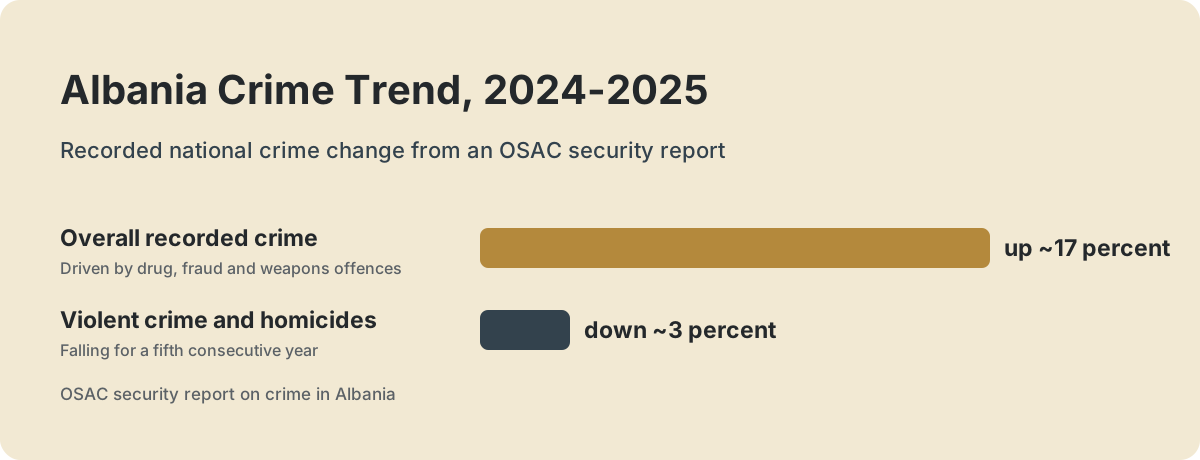
The honest picture has two layers. The country-level statistics sound more dramatic than the street-level reality: an OSAC security report noted that overall recorded crime in Albania rose roughly 17 percent between 2024 and 2025, driven by drug, fraud and weapons offences. The same report noted violent crime and homicides falling for a fifth consecutive year. Those are national numbers shaped by urban and organised activity far from a museum town of roughly 62,000 residents in its municipality.
The Berat-specific record for 2026 is telling precisely because of what it contains. Police operations in the town during the year targeted unlicensed currency exchange, cannabis sales and cocaine distribution, and press reports named local suspects, not visitors. The UK Foreign Office notes that crime exists in some areas of Albania but that reports of it targeting foreigners are rare. That matches the lived texture of Berat, where the evening problem is more likely to be a stray dog on a cobbled lane than anything criminal.
What Does Official Travel Advice Say About Albania?
Official advice treats Albania as an ordinary, broadly safe European destination with a standard caution attached. The US State Department's rating is Level 2, Exercise Increased Caution, citing crime, and the UK Foreign and Commonwealth Development Office issues no advice against travel to any part of the country. Neither government singles out Berat or central Albania for restriction, and neither names the town in any warning context.
It helps to read both advisories carefully rather than react to the headline. Level 2 is the same rating the State Department gives to numerous countries that receive enormous tourist flows; it asks travellers to be alert, not to stay away. The FCDO text notes that crime and violence exist in some areas but that foreigners are rarely targeted, and its Albania pages are dominated by ordinary practicalities: border procedures, road quality, earthquake awareness.
| Advisory source | Current rating for Albania | What it means for Berat |
|---|---|---|
| UK FCDO | No advice against travel to any part of Albania | Standard precautions only; no regional restrictions |
| US State Department | Level 2, Exercise Increased Caution (crime) | Be alert in urban areas, especially after dark |
| OSAC security report | Overall crime up ~17 percent 2024-2025; violent crime down ~3 percent, fifth yearly decline | National picture; organised and drug crime, not visitor incidents |
| FCDO crime note | Reports of crime targeting foreigners are rare | The risk relevant to tourists is petty, not violent |
One structural point matters more than most visitors realise: Albania is not an EU member and not part of the Schengen area. Days spent in Berat do not count toward a Schengen 90/180 total, and entering Albania is not a Schengen crossing. Entry rules are straightforward and covered below, but travellers who assume they are inside Schengen borders sometimes miscount their days elsewhere in Europe.
If you are still weighing the trip itself, our planning pieces on getting from Tirana to Berat and where to stay in Berat cover the arrival and accommodation decisions that shape how comfortable the first day feels.
How Safe Is Berat At Night Around Mangalem?
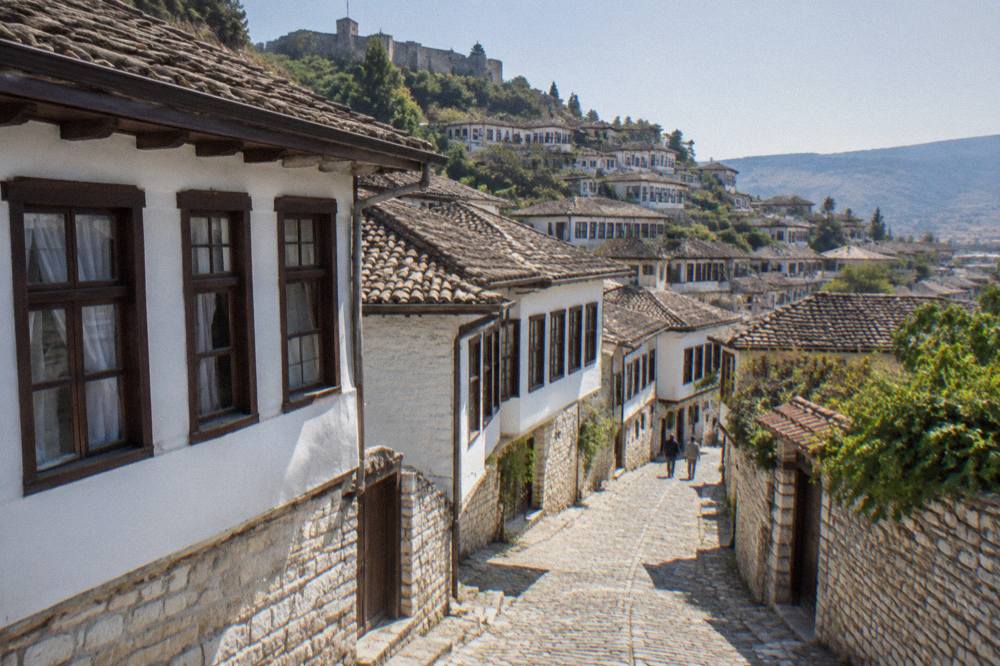
Mangalem, the stacked Ottoman quarter below the castle, is safe to walk at night for the simple reason that it stays populated and softly lit rather than emptying out. The lanes are cobbled and unlit in stretches, so the real hazards are underfoot: loose stones, unmarked steps and an occasional stray dog. Violent or threatening incidents involving visitors in the quarter are not part of Berat's documented record.
Night walking in Berat rewards a little preparation over courage. The stone lanes through Mangalem and up to the castle gate are genuinely dark in places, and the town does not operate a late-night economy that keeps crowds on the street until dawn. Most guesthouses hand out a small torch or warn about the steps, and taking one seriously is the difference between a pleasant evening stroll and a twisted ankle.
The riverfront along the Osum and the Gorica Bridge crossing are the busiest after-dark zones, with cafés and restaurants drawing families and couples until late. That concentration of ordinary evening life is itself a safety feature. If a plate of byrek and a slow walk across the bridge is the plan, the Berat nightlife guide lists the spots worth the walk and where each one sits relative to the river.
Stray dogs deserve their own sentence, because they are the most commonly reported nuisance. National reporting notes large numbers of strays across Albania, and visitors who plan rural walks sometimes consider a rabies vaccination in advance; the standard advice for anyone is to give loose dogs distance and not to run. In the town itself they are more a feature of early mornings than of the evening promenade.
Is Berat Safe For Solo Female Travellers?
Solo female travellers report Berat as one of the easier towns in the region, with low recorded harassment and a family-oriented street culture. The UK Foreign Office notes no pattern of crime against foreign visitors, and the practical annoyances are attention in cafés and the occasional intrusive question rather than anything physical. Normal city instincts, a phone with credit and a guesthouse contact solve nearly all of it.
The honest framing is that Albania's social culture is talkative. A woman dining alone in Berat will be noticed, greeted and occasionally asked why she is alone, and some travellers find the attention wearing even when it is well meant. Firm politeness works; dramatic confrontation is neither needed nor useful. Reports from women travelling the country consistently describe low levels of physical risk alongside this social visibility.
A few habits specific to Berat help. The old quarters are quiet by 23:00, so late returns are short walks along lanes you will already know from daylight. Guesthouse owners in Mangalem and Gorica are famously engaged, and telling yours when you expect to be back is not paranoia here, it is hospitality. Our where to stay in Berat piece flags the guesthouses with 24-hour hosts, which matters more for solo travellers than for couples.
Are The Roads And Driving Around Berat Safe?
Driving in and around Berat is manageable but demands more attention than Western European roads: winding single-carriageway routes, inconsistent surfaces on minor roads and driving habits that are assertive by northern European standards. The State Department caution about crime does not extend to road warnings, but road behaviour is the hazard most travellers actually notice. Defensive driving, daylight travel on mountain routes and no alcohol cover most of it.
The main artery connecting Berat to Tirana and the coast is a national road in reasonable condition, and 2026 saw continued investment in the region's links, with the Berat-Ballaban road project reported nearing completion in September. The castle access road itself was under repair from April 2026 after earlier works deteriorated, which is a reminder that even signed routes in Albania can be mid-project. Mountain routes toward Tomorr and the Skrapar canyons are steep, switchbacked and shared with everything from tractors to coaches.
| Route type around Berat | Condition in 2026 | Practical note |
|---|---|---|
| Berat to Tirana main road | National road, generally paved and maintained | Bus and shared taxi are easy alternatives to self-driving |
| Berat-Ballaban road | Reported nearing completion, asphalt, signage and barriers | Improves access toward the Tomorr area |
| Castle access road (kalldrëm) | Repairs started April 2026 after surface damage | Walk up if staying inside the walls; vehicles restricted from April 2026 |
| Canyon and mountain tracks | Asphalt to Çorovodë area, gravel deeper in | Use local operators for Osumi Canyon trips rather than a rental car |
The car restriction inside the castle quarter matters for anyone driving. Vehicle entry to the Kala has been limited to residents, pre-booked hotel and restaurant guests, licensed local taxis, suppliers and similar categories, as part of a municipal Smart Parking scheme backed by UNESCO conservation planning. If your guesthouse is inside the walls, its owner can register your arrival; otherwise park below and walk up, which is the intention of the whole scheme. The driving and parking in Berat guide gives the full detail.
For travellers who would rather not drive mountain roads at all, guided transport is the calm option. A guided Tomorr and Dardhe lakes day trip handles the switchbacks and the route-finding in one booking: Check availability. Similarly, canyon adventures with licensed operators remove the sketchiest driving of the region, the gravel tracks into the Osumi gorges, from your own responsibility.
Is The Walk Up To Berat Castle Safe?
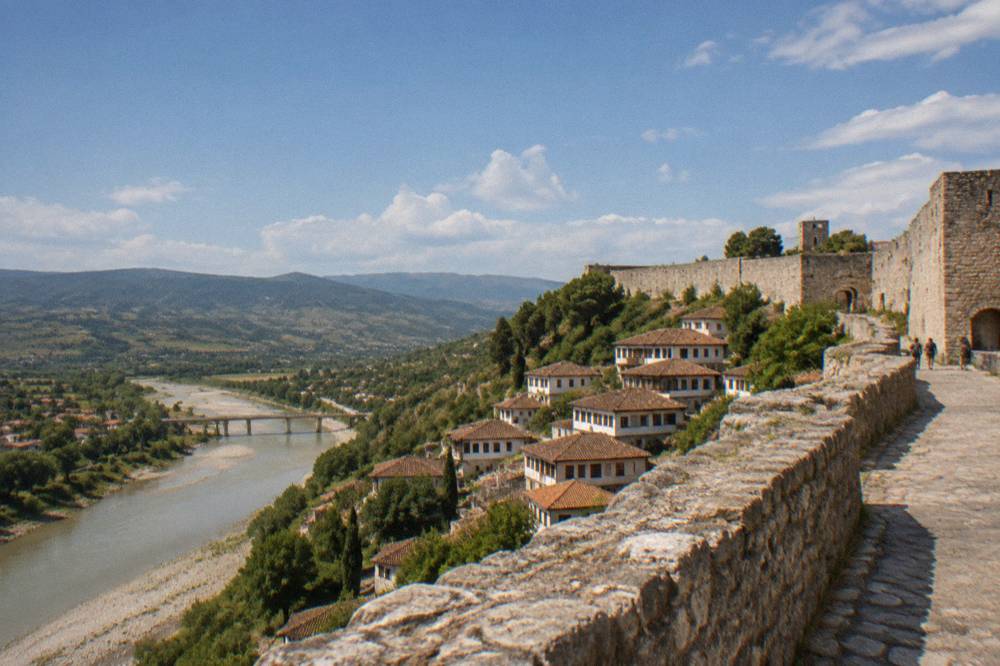
The walk up to Berat Castle is safe and very popular, on a steep paved lane that takes most people the better part of an hour from Mangalem. The hazards are honest ones: gradient, sun exposure, uneven cobbles and the resident dogs and donkeys near the top. There are no reports of crime against visitors on the path, and in daylight it is busy with both tourists and locals.
Start early in summer, and not only for the light on the white houses. Summer heat in Berat can top 40 °C, and the castle lane offers very little shade for most of its length; a July afternoon ascent is a heat-management problem before it is a safety one. Water, a hat and closed shoes with grip handle the walk itself, since polished stone underfoot turns slick after rain and the odd loose cobble is a genuine trip hazard. Other pages covering the same trip are gathered on Berat Travel Guide.
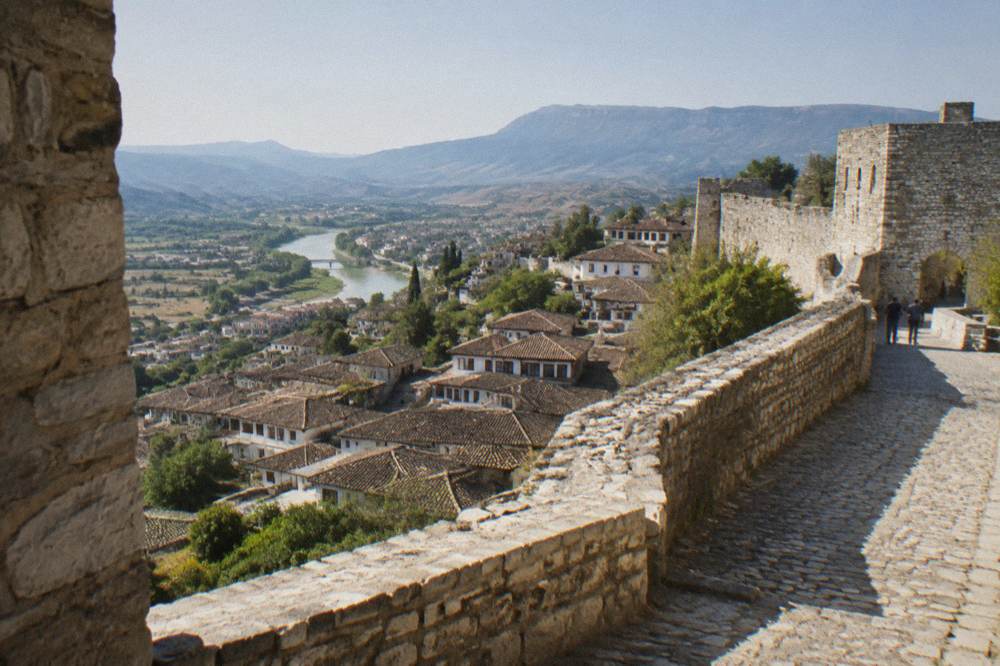
At the top, the ordinary cautions apply rather than any special ones. The castle is a lived-in quarter with guesthouses, families and animals; gates that look like attractions are sometimes someone's yard, and the walls are unfenced in places, so keep children close near drops. A small entry fee may be collected at the gate in staffed daytime hours, so carry some lek. The Berat Castle guide covers the route, the walls and the museum inside in full detail.
What About Scams, Money And Taxis In Berat?
Berat has no documented scam industry aimed at visitors. The money risks are the ordinary Albanian ones: cash-only old-town businesses, foreign-card ATM fees commonly a few hundred lek per withdrawal, and informal euro acceptance at poor rates. Taxis are unmetered by custom, so agree the fare before getting in; typical short hops around town cost a few euros.
The lek is the currency, roughly 92 lek to the euro on the official Bank of Albania rate, and prices in the old town are quoted and paid in lek. The euro is not legal tender, though some guesthouses and tour operators accept it informally, usually returning change in lek at a rate that favours them. For the full mechanics, cards, ATMs, exchange and tipping, read the money and currency in Albania guide.
| Money situation in Berat | What actually happens | Safe practice |
|---|---|---|
| Old-town cafés and small restaurants | Largely cash territory, lek preferred | Carry small lek notes daily |
| ATMs and bank branches | Present in town; foreign-card fees commonly 500-800 lek | Use bank-branch machines, avoid standalone high-fee ATMs |
| Euro acceptance | Informal in some tourist businesses, change given in lek | Pay in lek where possible |
| Currency exchange | Licensed offices operate; unlicensed exchange was a police target in 2026 | Change money only at licensed offices |
| Taxis | No strict meter culture; fares agreed in advance | Agree the price before entering; ask your guesthouse for a fair rate |
That 2026 police operation against unlicensed currency exchange in Berat is worth knowing about for a positive reason: it is the clearest recent evidence of which money habits the authorities consider a risk, and changing cash at a licensed office avoids the entire problem. Visitors are not the target of these enforcement actions, but visitors who follow the licensed channels never meet the trouble either.
Pickpocketing deserves a plain answer rather than a nervous one. No pickpocket figure for Berat was sourced for this guide, and inventing one would be worse than saying so. The general regional pattern is opportunistic theft in crowds and on night transport, and Berat simply lacks the crowds; the practical defence is the same as anywhere, keep valuables out of back pockets and off café tables.
Is The Tap Water And Food Safe In Berat?
Tap water in Berat is a genuinely mixed picture, with local municipal water from the Bogova Spring described as generally safe in one current assessment while the US security report advises bottled water as it does not meet US standards. Locals drink it; many visitors stick to bottled water, which is cheap and everywhere. Food safety in Berat's restaurants and guesthouse kitchens has a strong reputation, with cooking classes and home kitchens a highlight rather than a risk.
The honest advice splits the difference that the sources split. Municipal supply in Berat is spring-fed and treated, and long-stay visitors routinely drink it without trouble, but the conservative recommendation from official-adjacent sources is bottled water, and for a short trip the cost of that caution is trivial. Raki and wine, on the other hand, are as safe as anywhere in the Balkans, and the region's wineries are a reason to visit rather than a hazard.
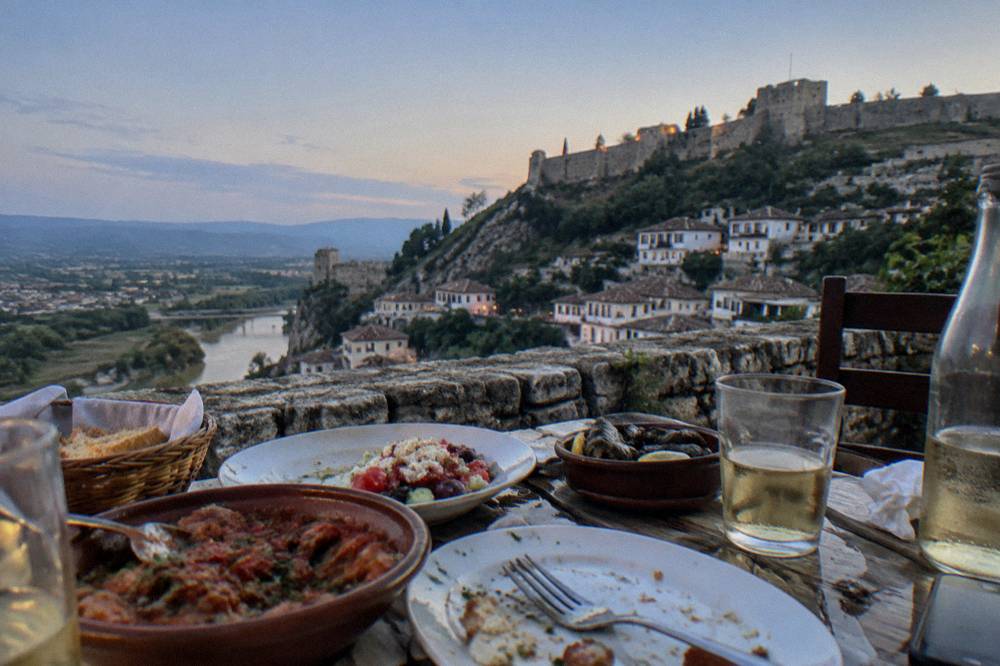
Food illness is rare enough in Berat that the dominant food memory travellers report is the cooking class, not the upset stomach. Traditional dishes like tavë kosi and qifqi are served everywhere from family kitchens to riverfront restaurants. The what to eat in Berat and where to eat in Berat guides list the reliable kitchens, and heat is the one food-adjacent caution worth repeating: in July and August, plan the big midday meal indoors.
| Health topic | Situation in Berat | What to do |
|---|---|---|
| Tap water | Spring-fed municipal supply; assessments differ, US report advises bottled | Bottled water is cheap; many visitors drink tap without issue |
| Summer heat | Heat can top 40 °C in peak summer | Walk early, carry water, midday indoors |
| Stray dogs | Present in Albania, including Berat's lanes | Keep distance, do not run; consider rabies advice before rural hikes |
| Medical care | Town has basic services; serious cases go to Tirana | Carry the European health card only if it covers you; travel insurance recommended |
| Pharmacies | Stocked and inexpensive by regional standards | Bring your own prescription items |
What Emergency Numbers And Entry Rules Apply In Berat?
The general emergency number in Albania is 112, and it works from any phone; the dedicated numbers are ambulance 127, fire 128 and police 112, with the Albanian police short code 129 also in wide use. UK citizens can stay visa-free up to 90 days in any 180-day period, EU citizens the same with ID cards accepted, and US citizens up to one year. Passports for UK travellers need three months' validity beyond departure.
None of this suggests a risky destination; it is the plumbing of any trip. What trips visitors up is the Schengen assumption. Albania is not in the EU or Schengen, so it is stamp-in, stamp-out at the border, and days here do not touch a Schengen allowance. Entry is smooth, routinely a short stop, and the airport link is covered in our Tirana airport to Berat guide.
| Citizenship | Visa-free stay in Albania | Document notes |
|---|---|---|
| UK | Up to 90 days in any 180-day period | Passport valid 3+ months beyond departure |
| EU and Schengen states | Up to 90 days within 180 | ID card accepted for EU citizens |
| US | Up to one year | No residency permit needed for stays within the year |
| Canada, Australia | Up to 90 days within 180 | Standard passport validity checks apply |
Travel insurance is worth a paragraph of its own. Albania's healthcare is functional and inexpensive for minor issues, but anything serious is likely to mean a private clinic or transfer to Tirana, and repatriation cover is the part of a policy that earns its cost. Alpine rescue does not exist in the UK-mountain sense, so hikers heading for Tomorr or the canyons should carry a phone, tell someone their route, and prefer guided trips for unfamiliar terrain.
How Does Berat Compare With Other Albanian Cities For Safety?
Berat sits at the calm end of the Albanian spectrum, quieter than Tirana, comparable to Gjirokaster and considerably more low-key than the summer coastal strip. It is a small inland heritage town with no nightlife district, no ferry crowds and no festival-scale influx beyond the annual Bektashi pilgrimage on nearby Mount Tomorr each August, when access to the mountain itself, not the town, is managed with traffic restrictions.
The comparison is really about density of opportunity. Tirana carries the country's urban crime profile, as any capital does, while Berat's incidents are local and rarely intersect a visitor's week. The coast in July and August concentrates crowds, alcohol and opportunistic theft in a way an inland museum town simply does not. Gjirokaster, the other half of the joint UNESCO inscription, offers a similar low-key profile in the south.
| Albanian destination | General character | Safety note for visitors |
|---|---|---|
| Berat | Small inland UNESCO heritage town | Low-key, family-oriented, quiet after dark |
| Gjirokaster | Southern UNESCO stone town, similar scale | Comparable profile to Berat |
| Tirana | Capital, main urban centre | Usual city caution, especially at night |
| Coastal resorts | Crowded and busy in high summer | Watch belongings in crowds; sharper high-season prices |
The one genuinely crowd-heavy event near Berat is the annual Bektashi pilgrimage to the tomb of Abaz Ali on Mount Tomorr, which in 2026 ran from 18 to 25 August with hundreds of thousands of pilgrims expected. It does not spill into the town in any threatening way, but road access around Kulmak Tekke is managed with restrictions that week, and travellers planning a Tomorr trip then should check access locally. Outside that window, the mountain and the Dardhe lakes are empty in the best sense.
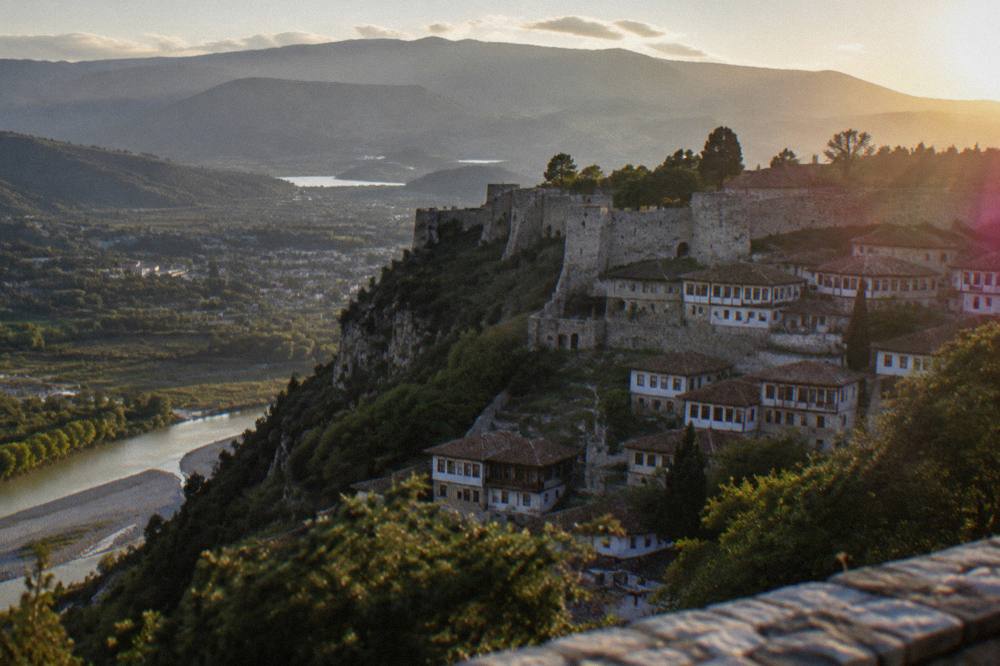
For the mountains and canyons that surround the town, guided options remain the low-risk route for anyone without local knowledge. A canyon hike with an operator covers the Pirogoshi Cave country safely:
The Osumi Canyon, Bogove waterfall and hiking around Berat guides cover the same country for independent travellers who prefer their own two feet, with the seasonal river-level notes that decide when each route is sensible.
What Should You Watch Out For In Berat?
The honest shortlist of risks in Berat contains almost no crime: slippery cobbles, summer heat above 40 °C, dark unlit lanes after sunset, stray dogs, cash-only businesses and the road behaviour of others. Each is preventable with ordinary preparation, and none is unique to Albania. Treat the town as you would any hill town in southern Europe and you have already done the hard part.
A closing checklist is the most useful form of the answer. Carry lek in small notes, because the old town runs on cash and ATMs charge for the privilege. Book accommodation inside Mangalem, Gorica or the castle with an engaged host, since a guesthouse that notices your routine is the best security system a small town offers. Walk the castle lane in the cool hours and carry water. Agree taxi fares in advance. Give stray dogs room. And if the mountains call, let a licensed operator take the wheel on the roads you have not driven.
Berat's safety story is, finally, a boring one, and boring is exactly what a traveller wants from this question. The town that UNESCO describes as a rare example of a well-preserved Ottoman town is quiet, watched over by its residents and served by police whose 2026 operations targeted locals breaking rules, not visitors. Go, walk slowly, mind the cobbles, and the odds are overwhelming that the worst thing you bring home is a photograph you did not compose well enough.
Common Questions About Safety In Berat
Is Berat safe at night?
Yes. Mangalem and the riverfront stay populated into the evening, and violent incidents involving visitors are not part of the town's documented record. The real hazards after dark are unlit cobbled lanes, loose stones and the occasional stray dog, so carry a phone torch and take the steps slowly.
Is Berat safe for solo female travellers?
Yes, with the caveat that solo women are noticed and sometimes asked questions in Albania's talkative café culture. Reports consistently describe low physical risk, and guesthouse hosts in the old quarters are engaged and helpful. Ordinary city instincts and a phone with credit cover the rest.
Is Berat safe to walk around alone?
Yes. The town is small, walkable and busy with ordinary daily life through the historic quarters. Walkers should be careful on polished cobbles, especially after rain, take water on the castle climb in summer, and keep an eye on dogs rather than people.
Is the tap water safe in Berat?
The picture is mixed: municipal water comes from the Bogova Spring and is described as generally safe in one current assessment, while the US security report advises bottled water. Many visitors drink tap without trouble; bottled water is cheap and widely available if you prefer caution.
Are there areas to avoid in Berat?
No area of Berat carries a travel warning or a locally known no-go reputation. The precautions are practical, not geographic: the unlit upper lanes late at night, unfenced drops at the castle walls, and gravel tracks in the canyons if you are driving yourself.
What is the emergency number in Albania?
The general emergency number is 112, which works from any phone, including without SIM credit. Ambulance is 127 and fire is 128, with the Albanian police short code 129 also widely used. English is often available on the main line.