Albania Currency: A Practical Guide For Berat Visitors
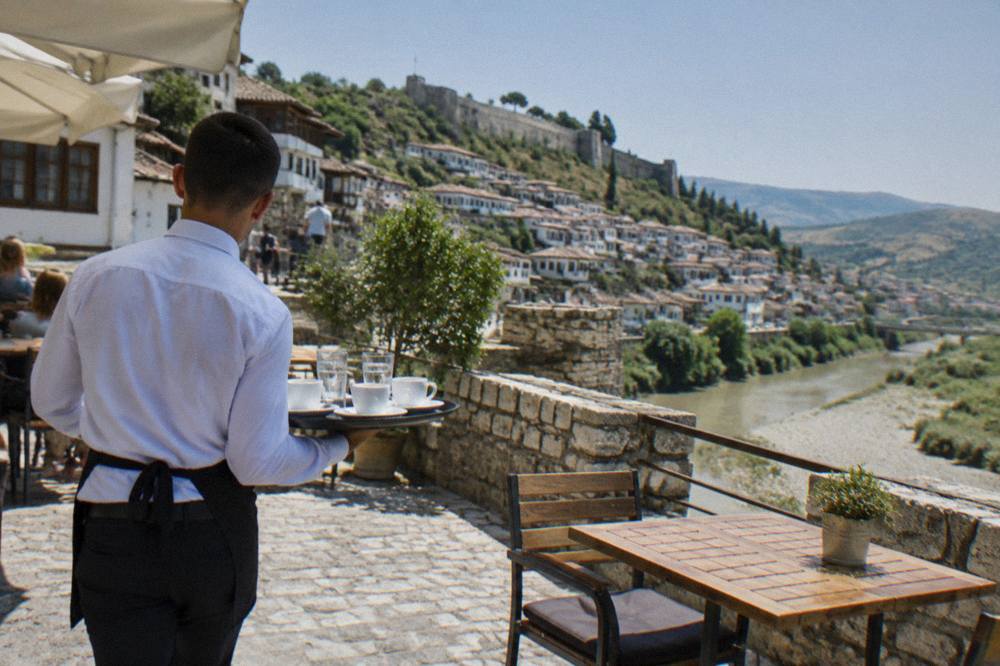
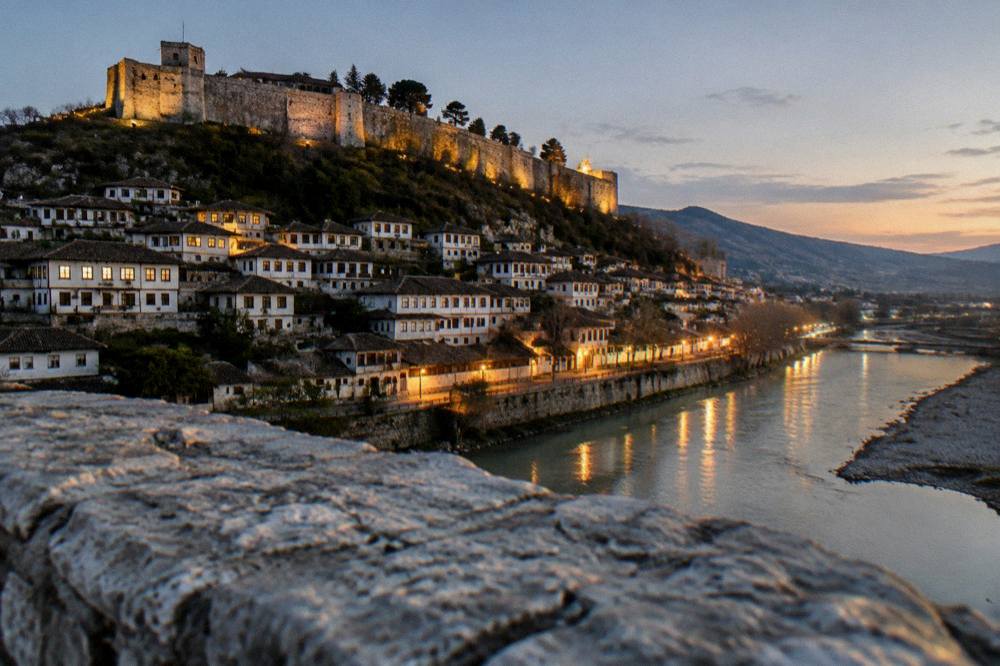
Albania's currency is the lek, and Berat, the UNESCO World Heritage Ottoman-era hill town on the Osum River in central Albania, runs on cash far more than most of Europe. Here is what to expect before you change a single note.
Short answer
Albania uses the Albanian lek (ALL), not the euro. In late September 2026 the official Bank of Albania rate was roughly 92 lek to the euro. Berat's old town is largely cash territory, so carry lek for guesthouses, small restaurants, taxis and museum tickets.
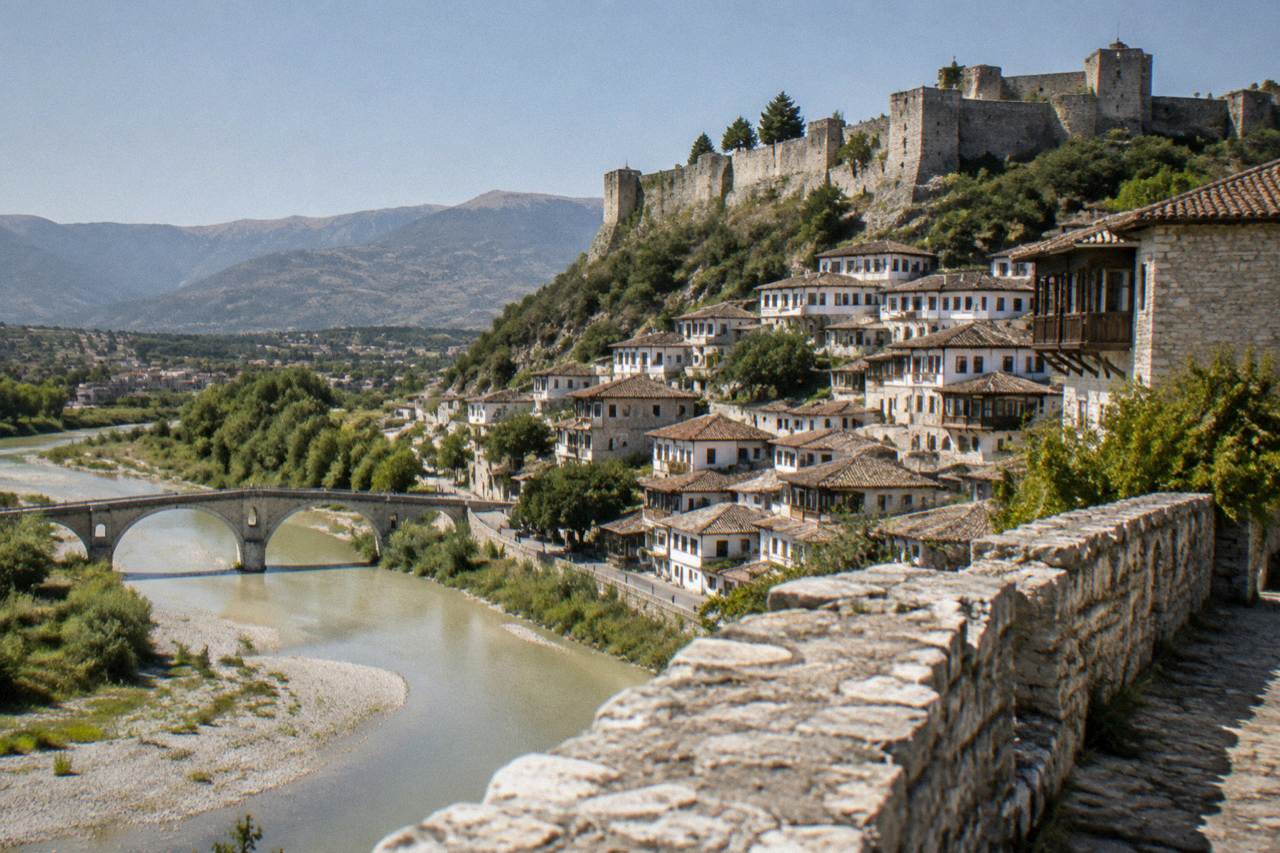
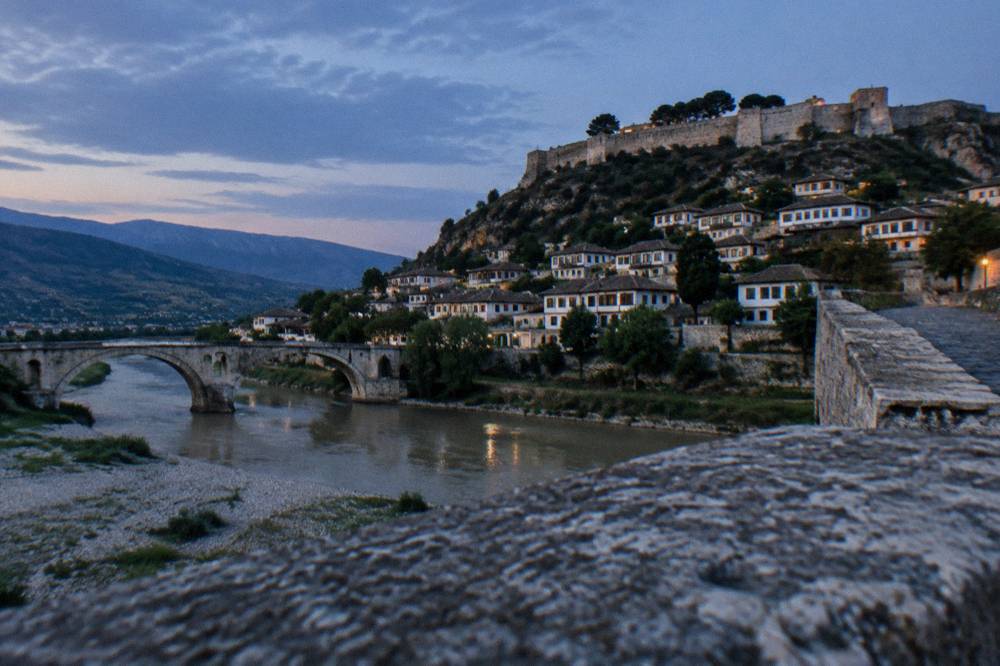
Berat sits on the Osum River in central Albania, a UNESCO-listed Ottoman town of stacked stone houses where almost every practical money question comes down to one answer: carry lek. Albania is not an EU member and does not use the euro, and although the country is modernising its payments fast, the old town of Mangalem still runs mostly on cash. This guide covers the Albanian currency, where to change money in Berat, what cards will and will not do, and what a day of eating, drinking and museum-hopping realistically costs.
What Currency Does Albania Use?
Albania uses the Albanian lek (ALL), its own national currency, and has not adopted the euro. Albania is an EU candidate country but not a member, and there is no scheduled date for euro adoption; a draft central bank law prepared in 2026 contains only preparatory euro provisions that would activate years after accession. Roughly 92 lek buys one euro at the official rate, though the rate moves daily.
The lek is issued by the Bank of Albania in a range of notes and small coins, and you will mostly receive the coins as change rather than spend them yourself. You will see prices written with the word "lek" or the code ALL, and locals often just say "hundred" when they mean a hundred lek. For scale, a museum ticket costs a few hundred lek and a good restaurant meal for two runs into the thousands, so a couple of the larger notes covers a full day of ordinary spending.
The euro question comes up constantly because Albania sits between euro-using Greece and partly euro-friendly Montenegro. Euro notes are accepted informally by some hotels and tour operators, but the euro is not legal tender, change is almost always given in lek, and the effective rate you get is frequently worse than a proper exchange. Paying in lek is the simple, better answer nearly everywhere.
Should You Change Money Before You Arrive In Berat?
No, changing money before you travel is usually unnecessary and often expensive, because the lek is rarely stocked at decent rates outside Albania. The practical plan is to withdraw a small amount of lek from a bank ATM at Tirana airport or in Berat, then change or withdraw more as needed. Albanian exchange offices and banks handle euros easily, and US dollars are widely exchanged in Tirana.
Berat is not a place where you want to be caught without cash. Guesthouses, small kitchens in Mangalem, taxi drivers and market stalls all expect lek, and the few card terminals that do exist can be out of service without warning. Arriving with a working card and a plan to find a bank branch ATM within your first hour in town removes nearly all of the stress.
One nuance is worth knowing: unlicensed currency exchange is an active police target in Berat. In July 2026, eleven people were placed under security measures in the city for operating unlicensed exchange activity, with millions of lek and thousands of euros seized. Use bank branches, licensed exchange offices with posted rates, or bank ATMs, and skip anyone offering cash deals on the street.
If you are arriving overland, our page on getting from Tirana to Berat explains the bus and furgon system, including the fact that fares on the Tirana route are paid in cash on board. The Berat bus station sits on the SH72 on the edge of town, roughly a 15 to 20 minute walk or a short taxi ride of about 2 to 3 euros from the old town.
Travellers coming straight from the coast or from Gjirokastra can read our Berat to Gjirokastra route guide or the wider getting from Berat to the coast and beyond page; the same cash-first rule applies on every regional bus in the country.
Where Can You Change Money And Use ATMs In Berat?
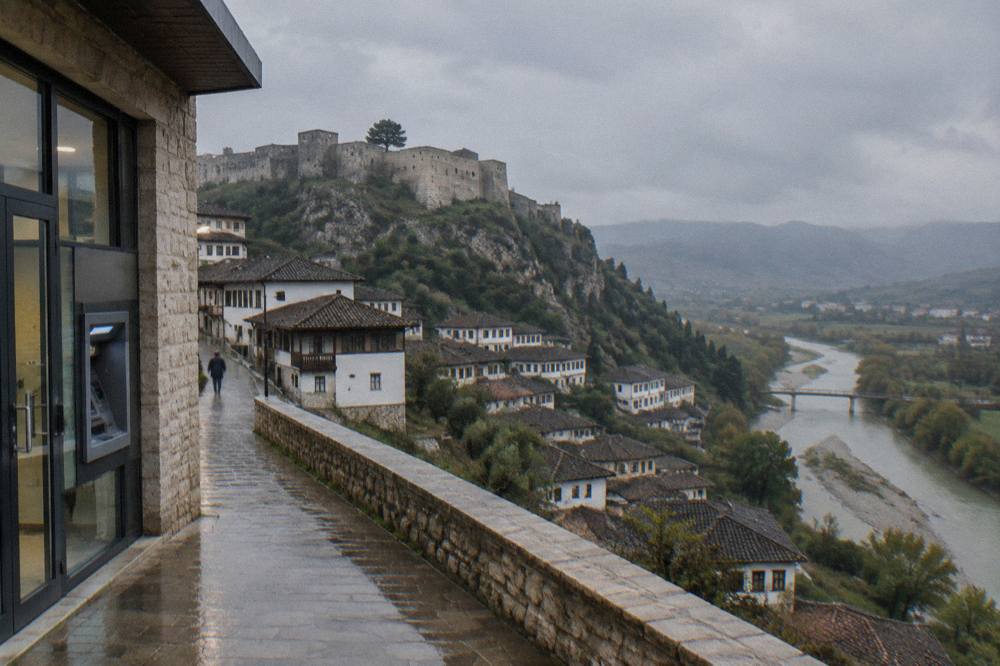
Bank ATMs in central Berat are the cheapest way to get lek, but foreign cards are commonly charged a local fee of roughly 500 to 800 lek per withdrawal, so take fewer, larger withdrawals. Avoid the yellow standalone ATM machines aimed purely at tourists, decline any ATM offer to bill you in your home currency, and prefer machines attached to visible bank branches.
The flat-fee arithmetic matters more than visitors expect. Several small withdrawals in a row can rack up more in fees than you would spend on lunch, because the per-withdrawal charge lands each time regardless of the amount. Withdrawing a comfortable day's worth of lek at a time from a bank-branch machine keeps the fee proportion low, and guesthouse owners will usually keep larger sums safe if you do not want to carry everything around the old town.
Exchange offices in Berat post rates on a board and are legal and straightforward, but compare a couple before committing, and check whether they charge commission on top of the spread. Rates move daily, so the honest framing is the one we use throughout this Berat Travel Guide site: the official rate in late September 2026 was around 92 lek to the euro, and anything more than a few percent adrift of that deserves a second look.
Can You Pay By Card In Berat?
Visa and Mastercard are accepted at some Berat hotels, larger restaurants and tour operators, but Mangalem, Gorica, the castle quarter and most small food businesses remain cash territory. Assume cards will not work for anything under a mid-sized restaurant bill, keep lek for the day, and treat card acceptance as a bonus rather than a plan. The position is improving as Albania pushes digital payments, but the old town lags the capital.
The gap between Tirana and Berat is the thing to internalise. In the capital you can live almost cashlessly at mid-range businesses; in Berat, a UNESCO-listed town whose historic quarters were never rewired for a card-reader economy, the guesthouse that takes your booking online may still ask for the room in cash at the door. That is normal, not a scam.
A simple split works well in practice: use the card for the private or small-group tours you book in advance, and use lek for rooms, meals, taxis, museum tickets and anything you buy in the bazaar streets. If a restaurant prominently advertises card payment, it genuinely has it; if the menu has no card logos, it does not.
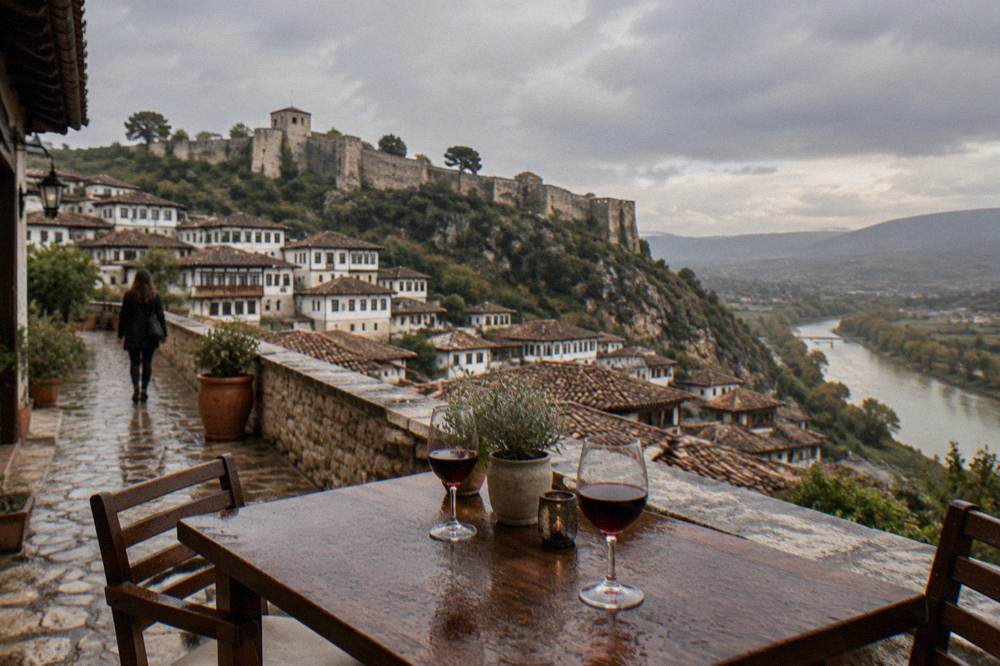
A food-focused city walk is one of the few spending categories where booking ahead genuinely pays off in Berat, because a guided tasting route moves you between kitchens that would otherwise each demand cash. The small-group city and food tour is the card-friendly way to eat your way through the old town, and our where to eat in Berat guide lists the kitchens worth seeking out afterwards.
How Much Does Everyday Spending Cost In Berat?
Berat is one of the better-value towns in Europe for food and drink, with a shot of raki costing roughly 2 euros. Those are planning figures drawn from current 2026 price reports, so treat them as ranges to expect rather than exact quotes, and check the room you are standing in before assuming the menu matches.
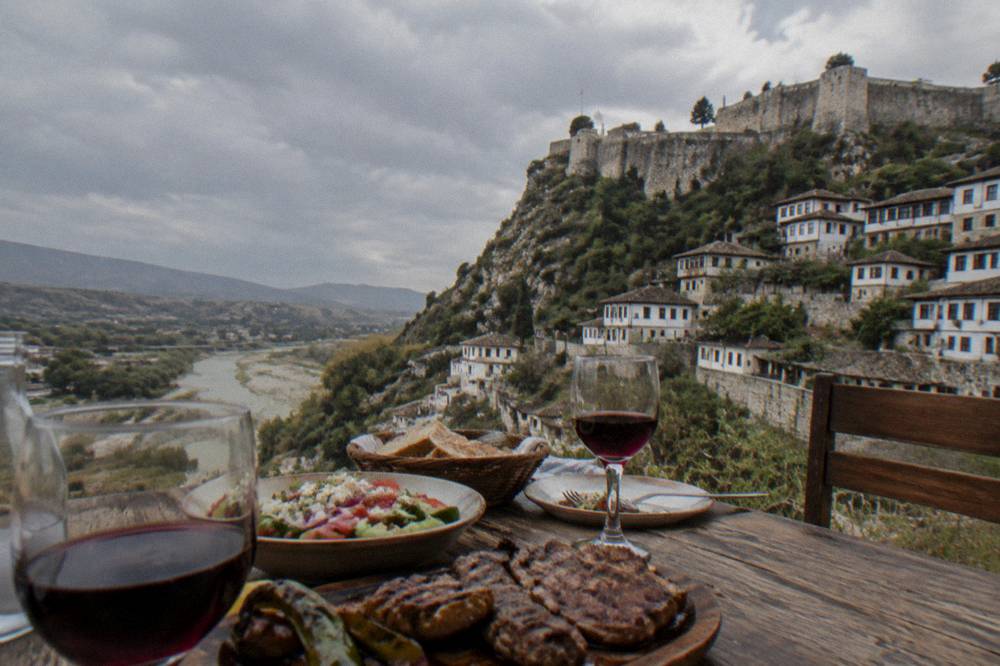
The everyday numbers are why people fall for Berat. Breakfast of byrek and tea costs a handful of coins, a long coffee on the boulevard costs less than a London bus fare, and a full dinner with local wine rarely threatens a modest daily budget. Alcohol is cheap by Western standards, and the local raki culture means a digestif is often offered as a gift rather than billed.
| Item | Typical 2026 price |
|---|---|
| Shot of raki | ~2 euros |
| Byrek with tea | ~4 euros |
| Tavë kosi main course | 8 to 15 euros |
Those food figures line up with the wider Berat costs breakdown on this site, which covers the full holiday budget picture, and with our what to eat in Berat guide to the local dishes behind the prices. Regional cooking classes and winery visits cost more, but they are the most reliable way to spend an afternoon in Berat and eat extremely well while doing it.
Do Museums And Transport In Berat Need Cash?
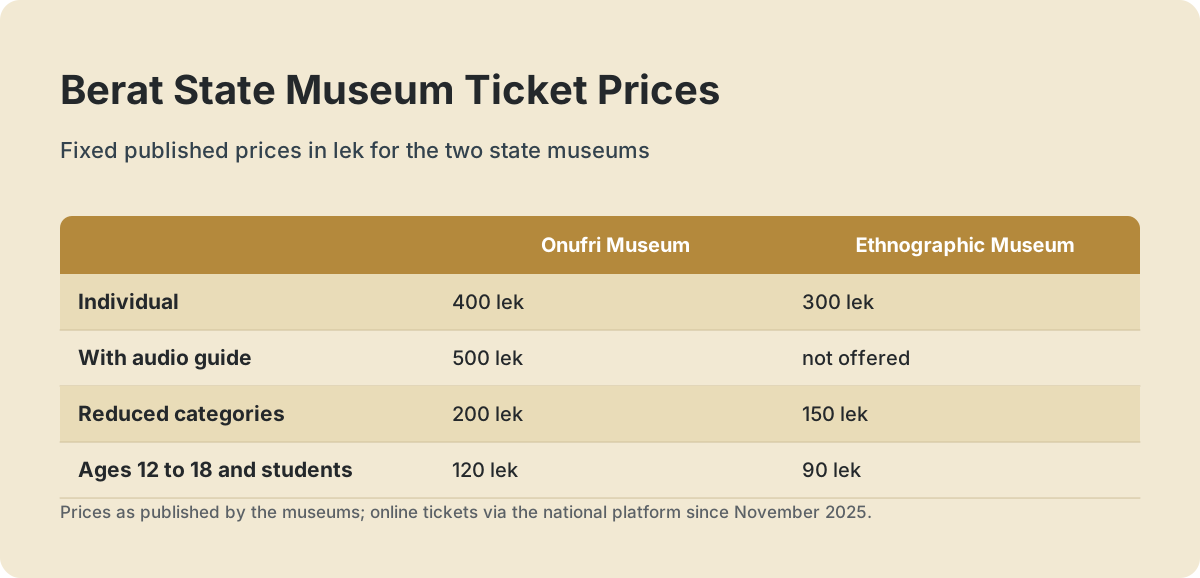
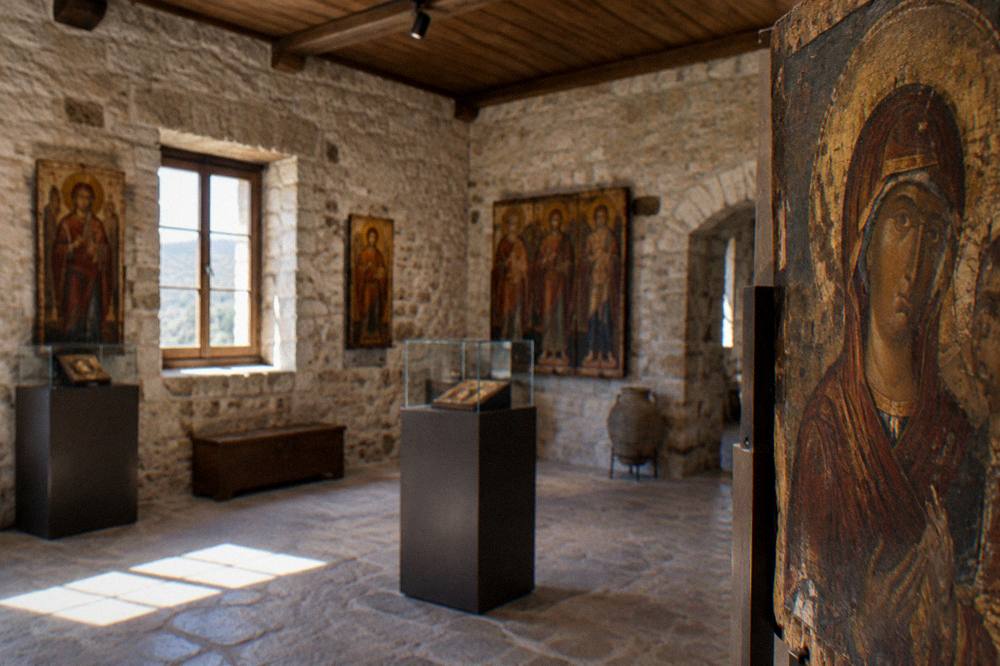
Berat's two state museums have fixed, published ticket prices in lek: the Onufri Iconographic Museum charges 400 lek for an individual ticket and 500 lek with an audio guide, and the Ethnographic Museum charges 300 lek, with free entry for children under 12 at both. Regional buses and furgons run frequently during the daytime, cash only, with the Tirana to Berat fare a few hundred lek paid on board.
Museum tickets are the one place in Berat where prices are genuinely official rather than informal, because they are published by the Berat Museum Center. The full tariff, including reduced rates, looks like this:
| Ticket | Onufri Museum | Ethnographic Museum |
|---|---|---|
| Individual | 400 lek | 300 lek |
| Audio guide | 500 lek | not offered |
| Reduced categories | 200 lek | 150 lek |
| Ages 12 to 18 and students | 120 lek | 90 lek |
| Children under 12 | free | free |
Since November 2025, tickets for state cultural sites, including the Onufri Museum, can also be bought online through the national e-Albania platform, so a card can cover your museum entry even when it cannot cover your lunch. The museums also hold free-entry days on 18 April, 18 May, 21 May and 29 September for everyone, and on 28 and 29 November for Albanian citizens only, which is worth knowing if your dates are flexible.
Transport is the other fixed pillar of a Berat budget. Buses and furgons across Albania take cash only, and the Tirana to Berat route costs roughly 500 to 600 lek paid to the conductor in small notes, which is exactly why our Tirana airport to Berat guide tells you to change a little money before leaving the capital. Once in town, local buses and a short taxi hop from the terminal to Mangalem cost a few hundred lek more.
How Much Should You Budget For A Trip To Berat?
A realistic daily budget in Berat splits roughly into three tiers: backpackers get by on cheap eats and a hostel bed, couples mix mid-range dinners with guesthouse stays and a winery visit, and comfort travellers add private guiding and better rooms. Berat remains good value even as Albania's tourism-linked prices rise, and accommodation inflation there has stayed modest compared with the coast.
Albanian tourism reporting in 2025 and 2026 has been frank about prices: accommodation and services rose about 6.5 percent, tourism-linked sectors drove roughly half of December 2025 price growth, and coastal hotels climbed steeply, while Berat and Gjirokastra saw only modest increases and remained, in the words of one 2026 analysis, good value. The practical takeaway is that Berat has not yet repriced itself out of its own reputation.
| Budget tier | Typical daily pattern |
|---|---|
| Backpacker | Hostel bed, cheap meals, free old-town wandering, one museum |
| Mid-range | Guesthouse in Mangalem or Gorica, mid-range dinners, winery or cooking class |
| Comfort | Boutique room, private guide, canyon or lake day trip, prepaid tastings |
Activities are where budgets flex most. A winery tour with transfers and tastings starts from 42 US dollars per person, cooking classes from 42 dollars, and Osumi Canyon adventures from 34 dollars, while castle and old-town small-group tours start from 44 dollars. Those are the operator's listed starting prices on their live listings, not promises, and checking availability tells you what your date actually costs.
For a fuller day of structure, a full-day guided tour from Durrës bundles transport, the castle and the old town into one prepaid price, which removes both the cash juggling and the bus timetabling from your trip. If you are planning the wider route, our pages on Berat weather for timing and is Berat safe for reassurance answer the two questions most first-time visitors ask next.
Is The Euro Accepted In Albania, And What About Tipping?
The euro is not legal tender in Albania, but some hotels, tour operators and tourist-facing businesses in Berat will accept euro notes informally, usually returning change in lek and often at an ungenerous rate. Tipping in Berat is appreciated but modest: rounding up a restaurant bill by around 10 percent is generous, small coins for coffee is fine, and nobody expects a tip on a cheap meal.
The honest advice on euros is to avoid paying with them where you can. A guesthouse that quotes a price in euros is really quoting against the live lek rate, and if they give your change in lek at a rounded rate you lose a little each time. The same logic applies to tours: an operator that prices in euros is pricing against the live lek rate, so paying in lek from an ATM withdrawal is usually the cheaper path.
Tipping culture is lighter than in Western Europe, and heavier tipping can actually create awkwardness in small family-run kitchens. Rounding a lunch bill up to the next note is a normal, appreciated gesture. Our Berat nightlife and shopping in Berat pages follow the same cash-first rule for bars and stalls.
What Money Mistakes Do Visitors Make In Berat?
The recurring mistakes are simple and avoidable: arriving with no lek and assuming cards will work everywhere, withdrawing tiny amounts and paying heavy ATM fees repeatedly, using street changers instead of licensed offices, letting an ATM convert the bill into your home currency, and leaving the castle quarter with no cash for taxis or small kitchens. All five are solved by one habit, which is holding enough lek for a full day before you start it.
The dynamic currency conversion trap deserves a specific warning, because it looks like a courtesy and is not. When an ATM or card terminal offers to charge you in euros, dollars or pounds, it is applying its own marked-up rate, and the machine is required to ask but not required to be fair. Choosing to be billed in lek is always the cheaper answer.
Street changers are the other repeat mistake, and Berat's 2026 police operations against unlicensed exchange are the strongest reason to stay with banks and posted-rate offices. Nothing about a cash deal on a corner beats a licensed office, and plenty about it can go wrong, from short counts to outright counterfeit notes.
Finally, plan for the evening, not just the morning. ATMs and exchange desks keep short hours in the old town, and if you finish a late dinner with two coins left, the walk back up the hill to the castle quarter is free but the morning coffee is not. One last withdrawal before dinner is a habit that never fails.
If you prefer to skip the money logistics for at least one day, a private day trip from Tirana to Berat handles transport and guiding in one prepaid package, with the price shown on the operator's live listing. Check availability if that fits your dates.
Common Questions About Albania Currency
What currency is used in Berat, Albania?
The Albanian lek (ALL) is the official currency in Berat and everywhere in Albania. The euro is not legal tender, though some tourist businesses accept it informally and return change in lek.
Should I bring euros to Berat?
You can bring euros as a backup, but expect to exchange them or withdraw lek on arrival. Exchange offices in Berat handle euros easily, and bank ATMs give the fairest rates for card holders.
Can I use my card in Berat's old town?
Some hotels and larger restaurants accept Visa and Mastercard, but Mangalem, Gorica and the castle quarter are largely cash areas. Carry lek for meals, taxis and small purchases.
How much cash should I carry per day in Berat?
A few thousand lek covers meals, coffee, a museum ticket and local transport for one person. Activities like winery tours or canyon trips are cheaper if prepaid, where cards are accepted.
Are ATMs expensive in Berat?
Bank ATMs commonly charge foreign cards a local fee of roughly 500 to 800 lek per withdrawal, so make fewer, larger withdrawals and avoid standalone tourist ATM machines.
Do I need to tip in Berat?
Tipping is appreciated but modest. Rounding up a restaurant bill by about 10 percent is generous, and small change for coffee is perfectly acceptable.