Berat Bus Station
Buses and furgons reaching Berat, the UNESCO-listed Ottoman hill town on the Osum River in central Albania, all arrive at one practical, unglamorous terminal on the SH72 road. Here is what to expect when you land there: where it sits, how the Tirana service runs, what the journey to the old town involves, and how to move on afterwards.
Short answer
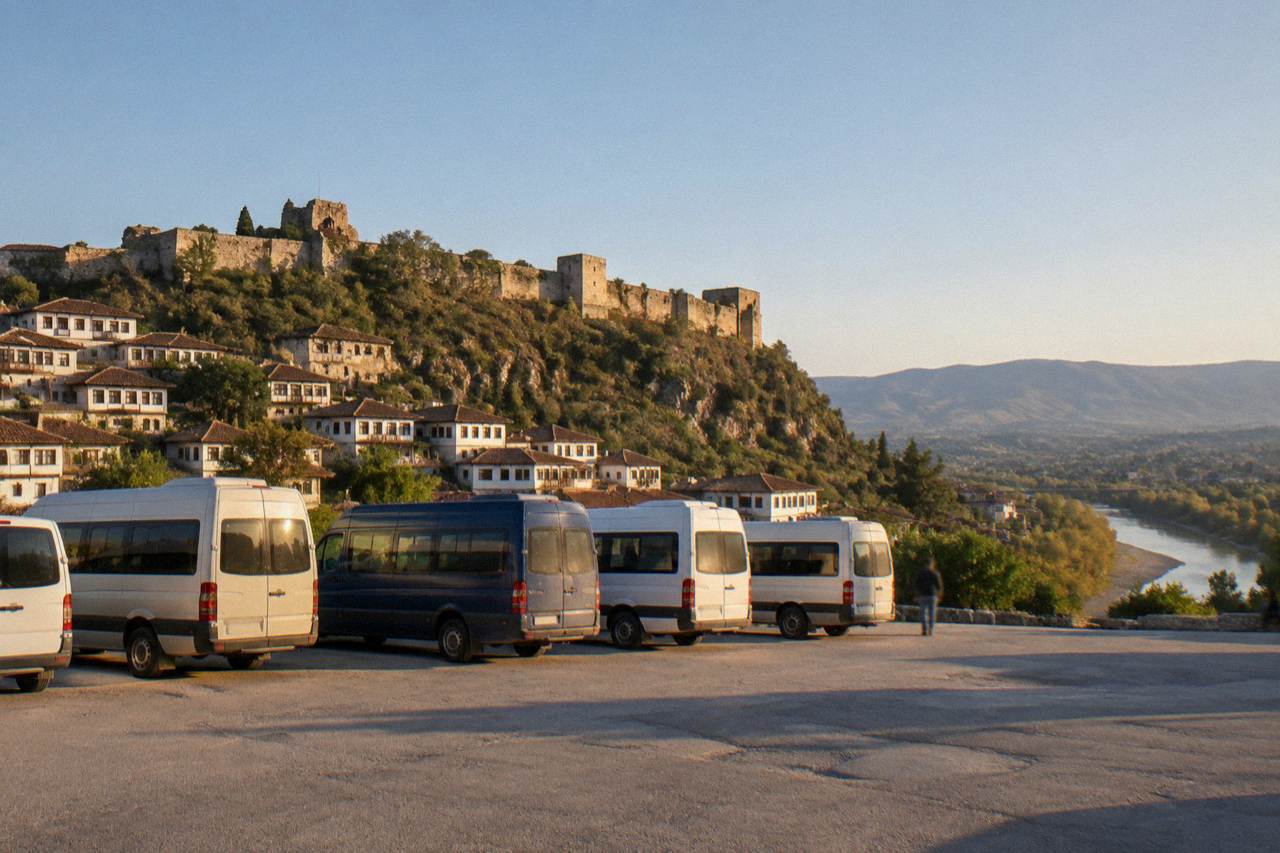
Berat's bus and furgon terminal sits on the SH72 road on the town's outskirts, roughly a 15 to 20 minute walk from Mangalem and the old town. Frequent daytime buses run from Tirana's South-North terminal, taking roughly 2.5 hours, with the fare a few hundred lek paid in cash.
Berat, in central Albania, is a UNESCO World Heritage town of stacked white Ottoman houses climbing above the Osum River, and nearly every independent traveller arrives at the same practical gateway: the Berat bus station. The terminal is not in the postcard. It sits on the SH72 road at the edge of town, a modest sprawl of regional buses and furgons, minibuses and shared vans that handle most intercity travel in Albania. Understanding how it works, where it sits, and what connects it to the old town saves you the most common first-hour confusion that visitors to Berat report.
Where Is The Berat Bus Station?
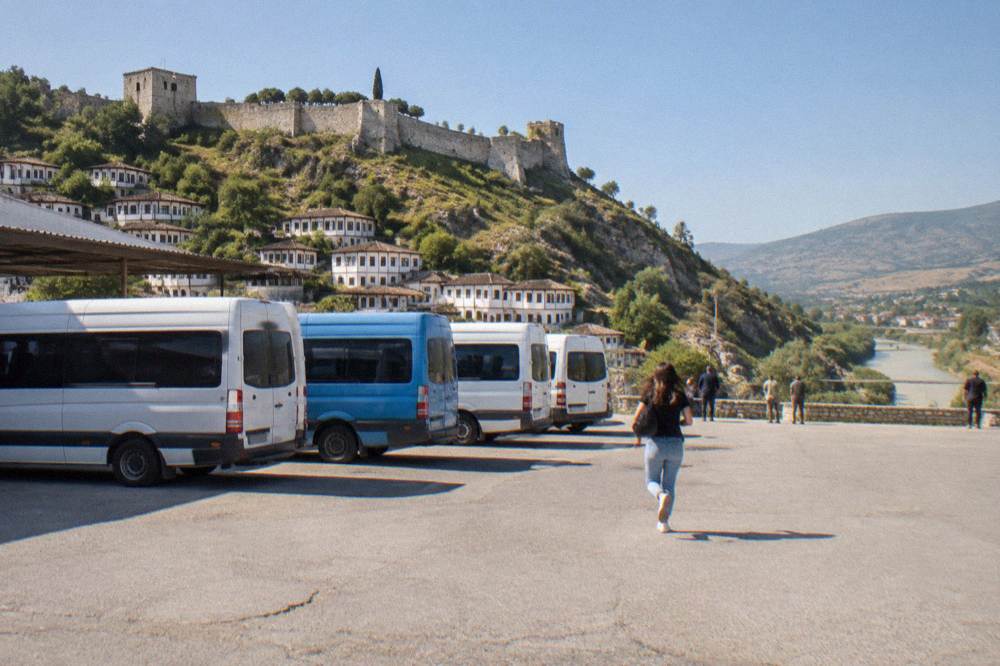
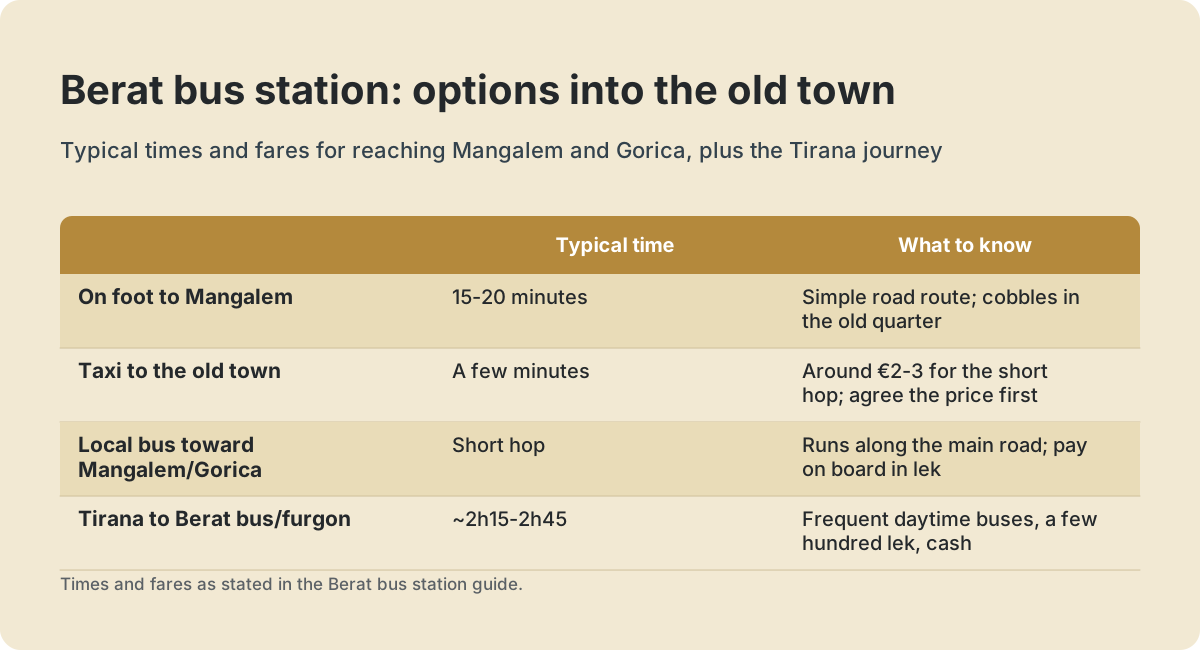
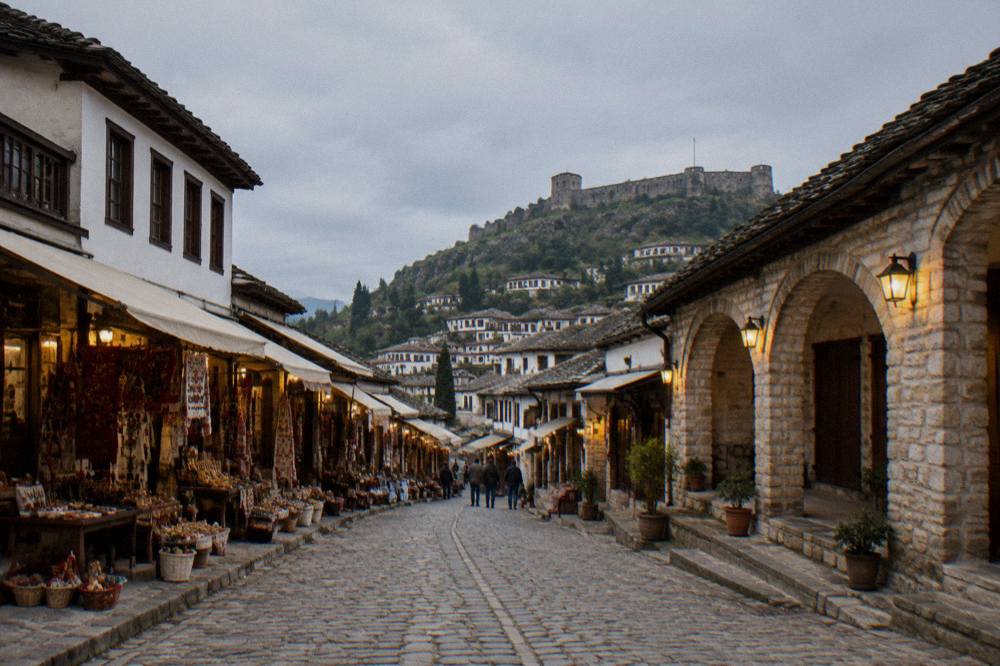
The Berat bus station sits on the SH72 road on the outskirts of town, roughly a 15 to 20 minute walk from the old core of Mangalem, Gorica and the castle quarter, and a short taxi hop of a few minutes covers the same distance. There is no grand terminal building in the style of a capital city; Berat is a town of around 62,232 residents in its municipality per the 2023 census, and its bus infrastructure matches that scale. Buses and furgons pull in along the roadside, departures cluster through the day, and everything is negotiated in cash, in Albanian lek. From the terminal you can walk, take a taxi, or catch a local bus line toward Mangalem, Gorica and the old town.
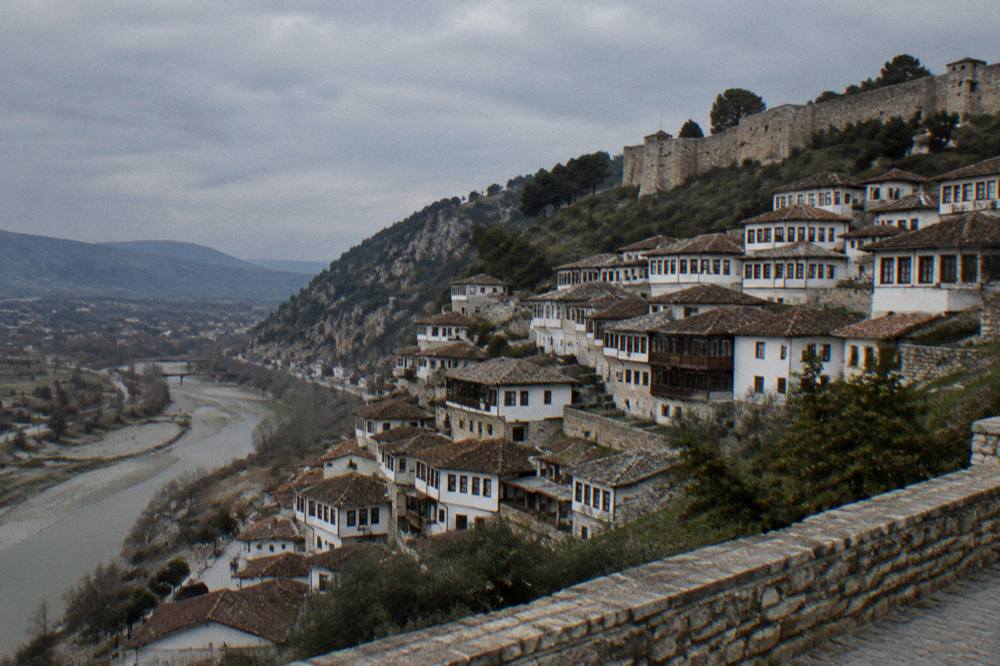
The location matters more than it first appears. Because the terminal is on the far side of the river plain from the historic quarters, your first view of Berat is usually the modern town: boulevards, apartment blocks, and only later, as you cross toward the river, the sudden wall of Ottoman windows that gives Berat its nickname, the City of a Thousand Windows. Many visitors assume the bus drops them in the old town and plan their luggage and timing around that. It does not, and knowing the 15 to 20 minute gap in advance changes what you pack for the walk.
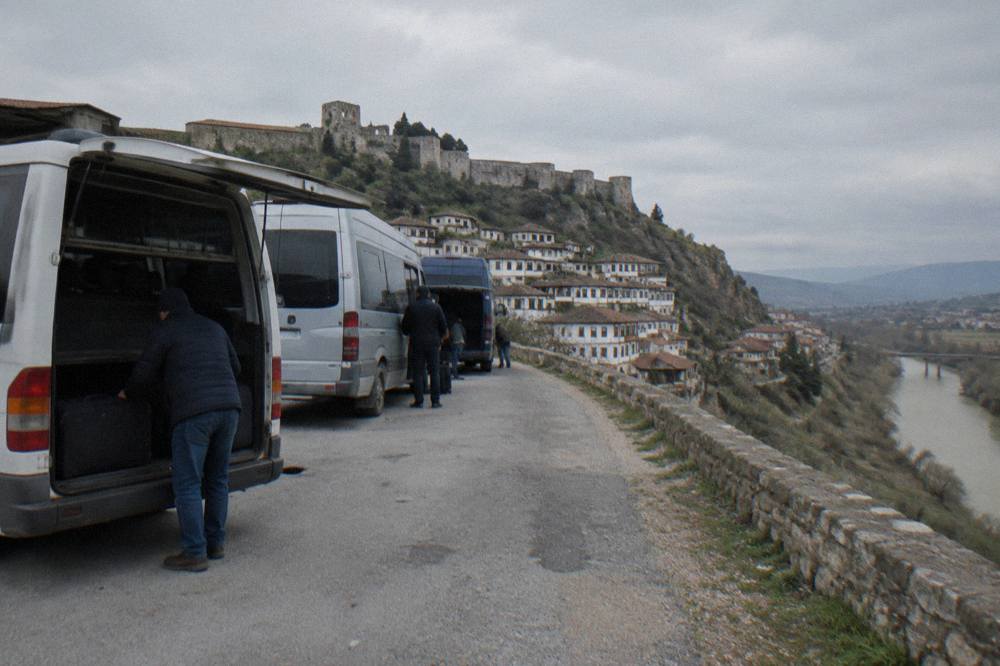
The walk itself is straightforward. You follow the main road toward the river, pass through newer Berat with its shops and cafés, and reach the Gorica Bridge area, from which Mangalem spreads up the hillside on one side of the Osum and the Gorica quarter on the other. With a backpack it is pleasant; with a rolling suitcase on cobblestones it is slower. The full orientation of the town, including where each quarter sits, is mapped out in our Berat old town orientation guide.
| Option from the terminal | Typical time | What to know |
|---|---|---|
| On foot to Mangalem | 15-20 minutes | Simple road route; cobbles in the old quarter |
| Taxi to the old town | A few minutes | Around €2-3 for the short hop; agree the price first |
| Local bus toward Mangalem/Gorica | Short hop | Runs along the main road; pay on board in lek |
One detail worth flagging early: if you are driving rather than arriving by bus, parking in the historic quarters is limited, and car access into the castle quarter is being restricted; plan to park below and walk up. The practical advice, whether you arrive by bus or car, is the same: get low, get central, and explore on foot. Our driving and parking in Berat guide covers the details for motorists.
How Do You Get From Tirana To Berat By Bus?
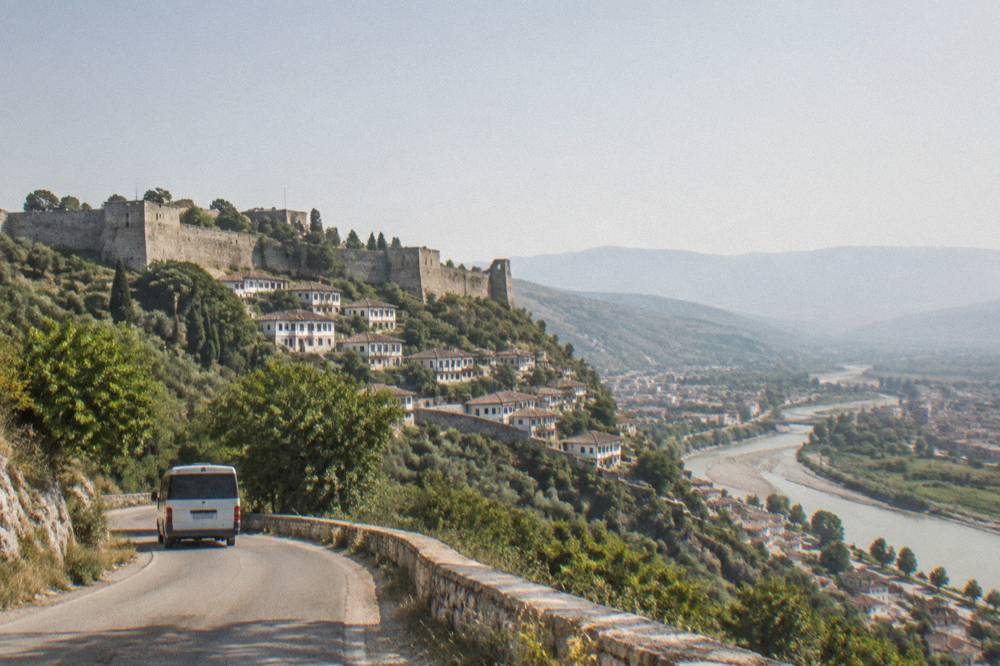
Buses and furgons to Berat leave from Tirana's South-North terminal, Terminali Jug-Veri, with frequent daytime buses costing a few hundred lek, payable in cash, and the journey takes around two and a quarter to two and three-quarter hours depending on the service. The fare is a few hundred lek, paid in cash on board, and for most departures no advance booking is needed at all; you turn up, buy from the driver or the kiosk, and board. Mornings tend to be busier, and the early departures are the ones to target if you want a full day in Berat.
Two operators dominate the route, one running the morning departures and another the afternoons, and the difference between a larger bus and a furgon is mostly comfort and luggage space. Furgons are shared minibuses, the standard intercity workhorse of Albania, and they leave when they are full rather than to a display board, though the corridor's frequent departures make long waits unusual on the Tirana-Berat run. Our Tirana to Berat transport guide goes deeper on the practicalities if you are planning the full route.
If you are flying in, the key fact is that there is no direct bus from Tirana's airport to Berat. You first take the airport transport into Tirana, then make your way to the South-North terminal. Build in buffer time for that transfer; the airport-to-terminal leg plus a boarding margin can add a meaningful chunk to the door-to-door journey, and the last Berat departures leave in the late afternoon, not the evening. Our Tirana airport to Berat guide lays out the sequence step by step.
| Route to Berat | Where you start | Journey | Notes |
|---|---|---|---|
| Tirana to Berat bus/furgon | Terminali Jug-Veri, Tirana | ~2h15-2h45 | Frequent daytime buses, a few hundred lek, cash |
| Tirana airport to Berat | Airport, then Tirana terminal | Airport leg plus bus time | No direct service; change in Tirana |
| Train to Berat | Not available | No passenger rail reaches Berat | Reconstruction elsewhere targets end-2027 |
That last row deserves a sentence of explanation, because travellers often assume a rail option exists. No passenger train reaches Berat. Rail reconstruction in Albania is concentrated on the Tirana-Durrës-airport corridor, with a target around the end of 2027, and none of it touches Berat. The bus is not the cheap alternative here; it is the only public-transport option.
For many visitors, though, the question is not which bus to catch but whether to catch one at all. A guided day trip removes the timetable, the terminal and the luggage question in one move, and several strong options run from Tirana and the coast into Berat's old town.
How Do You Get From The Bus Station Into Mangalem And Gorica?
From the Berat bus station, the practical choices into the historic quarters are a 15 to 20 minute walk along the main road toward the river, a taxi costing around €2-3, or a short local bus hop toward Mangalem and Gorica. All three end up in the same place: the river level around the Gorica Bridge, where the old town begins. The walk crosses through modern Berat first, so do not worry if the first ten minutes look nothing like the photographs; the Ottoman town appears only as you approach the water.
Taxis are the sensible choice with heavy luggage or a late arrival. The fare for the short hop runs around €2-3, and it is worth agreeing the price before you get in, since not every driver uses a meter for a ride this short. Pay in lek where possible; the euro is accepted informally in some Albanian tourist businesses, but change usually comes back in lek and the rate is rarely in your favour. Our money and currency in Albania guide covers the practical side of carrying cash.
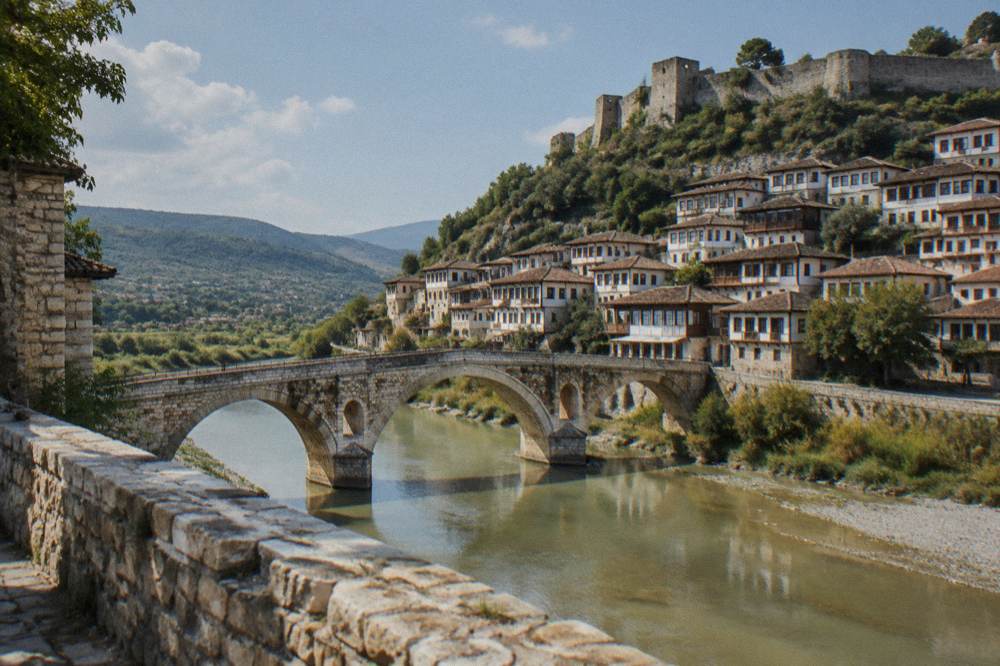
Where you head after the river depends on where you are sleeping. Mangalem, the famous tiered quarter on the west bank, puts you closest to the castle path. Gorica, across the Gorica Bridge on the east bank, is quieter and slightly cooler in the evening. Guesthouses also operate up inside the castle walls themselves, an experience we compare in the where to stay in Berat guide, along with the budget options covered in our Berat hostels roundup.
There is a subtlety with the castle-quarter guesthouses: since the vehicle restriction of April 2026, arriving by taxi gets you close to the lower castle area, but the final stretch is on foot. Pack so that you can carry your bag up the stone path, or ask your guesthouse in advance about luggage help. This is the single most common arrival headache reported by visitors staying inside the Kala.
If all of this sounds like logistics you would rather skip, it is worth knowing that a large share of Berat's visitors never use the bus station at all. They arrive on organized day trips from Tirana, Durrës and the coastal resorts, which park close to the old town and include a guide.
A popular option from the Durrës and Golem side is the Berat UNESCO Heritage Day Tour covering Mangalem, which runs about six hours and consistently earns strong feedback from travellers staying along the coast.
If you prefer a fuller premium experience with Belsh Lake included, the Premium Berat UNESCO Tour is the featured pick on this page: it covers the castle, the old town and the lake in one day, with transport handled end to end. You can Check availability alongside our full Berat UNESCO heritage overview.
Where Do You Buy Tickets And How Do You Pay?
Tickets for buses to and from Berat are bought with cash in Albanian lek, either at the terminal kiosk or directly from the driver when you board, and you should not count on card payments anywhere in the terminal's orbit. Berat's old town and the terminal area are largely cash territory. Cards are accepted at some hotels and larger businesses, but the furgon that takes you to Tirana wants lek, and so does the coffee shop next to the departure point.
The practical preparation is simple. Withdraw lek in Tirana before you travel, or use the ATMs in modern Berat after you arrive, keeping in mind that foreign-card fees at Albanian ATMs commonly run in the 500 to 800 lek range per withdrawal, so fewer, larger withdrawals beat many small ones. Bank-branch machines are generally the better choice over standalone ones. The exchange rate hovers around 92 lek to the euro, and prices in town make the maths friendly. The full index of guides sits on Berat Travel Guide.
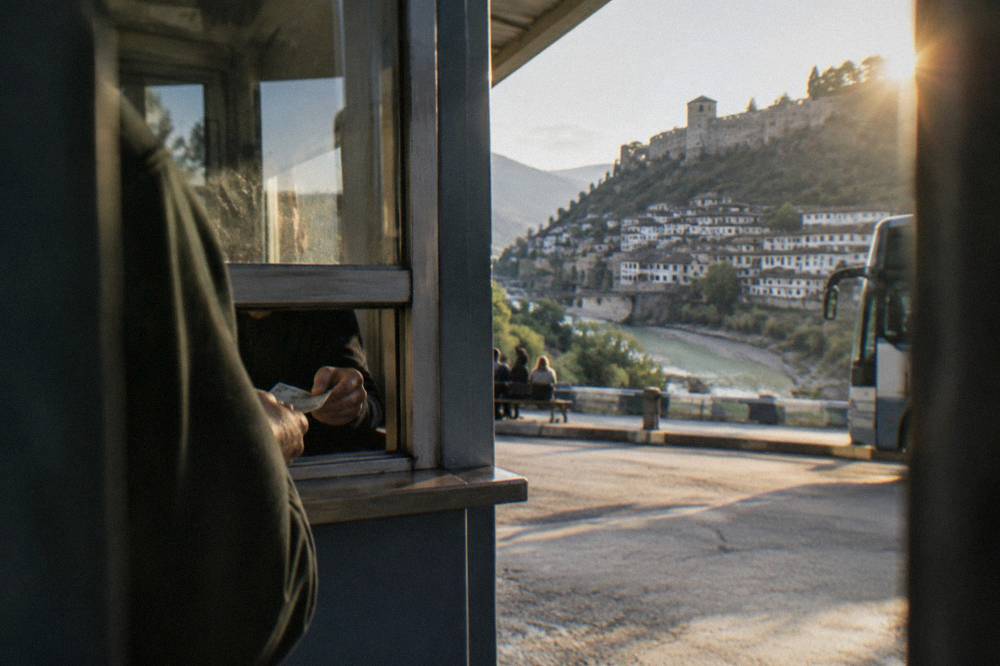
For timing, the rule of thumb on the Tirana route is that you buy and board shortly before departure rather than reserving ahead, though a few departures can be pre-booked through online schedule services. If you are travelling in the peak summer weeks, arrive earlier than feels necessary; the July and August departures fill, and summer heat in Berat can top 40 °C while you wait. For what the heat and the seasons mean for your trip more broadly, see our Berat weather guide.
| Museum in the old town | Individual ticket | Reduced | Ages 12-18 and students |
|---|---|---|---|
| Onufri Iconographic Museum | 400 ALL | 200 ALL | 120 ALL |
| Onufri audio guide | 500 ALL | - | - |
| Ethnographic Museum | 300 ALL | 150 ALL | 90 ALL |
| Children under 12 (both museums) | Free | - | - |
Those museum figures are worth knowing at arrival time because the Onufri Museum, inside the castle, is the single most visited site in town, and its ticket line moves slowly in peak season. Online ticketing for state museums through the national e-Albania platform launched in November 2025 and covers Berat's museums, which can save you a queue.
Leaving Berat: Departures, Gjirokastra And The Coast
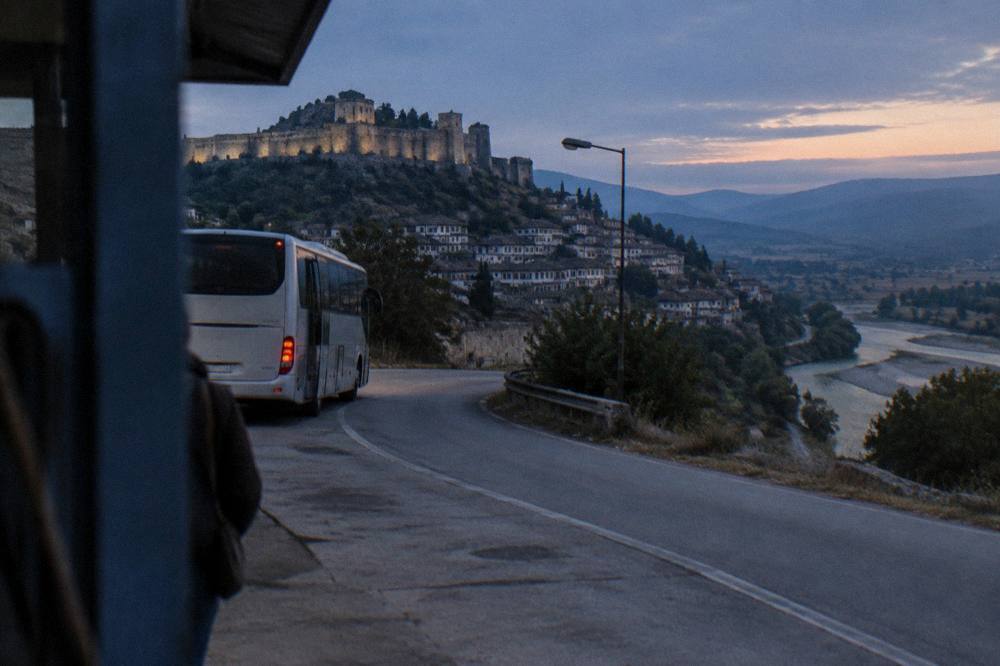
Departures from the Berat bus station run back toward Tirana through the day until late afternoon, and onward services connect toward Gjirokastra and the southern coast, but frequencies thin out fast after mid-afternoon, so plan your departure morning rather than evening. The Tirana-bound schedule is the densest and most reliable; secondary routes leave less often and increasingly depend on furgons filling up. For any onward leg beyond Tirana, confirm the day's actual departure times locally rather than trusting a remembered schedule.
Gjirokastra, Albania's other UNESCO Ottoman town, is the most common next stop, and the route south is covered in detail in our Berat to Gjirokastra guide. The coast is the other big draw, whether that means Vlora and the Riviera or points north, and the connection options, including where to change, are laid out in getting from Berat to the coast and beyond.
| Onward direction | Typical service | Planning note |
|---|---|---|
| Berat to Tirana | Frequent daytime buses, a few hundred lek, cash | Densest route; buy on the day |
| Berat to Gjirokastra | Limited daily service | Confirm times locally the day before |
| Berat toward the coast | Change usually required | Vlora is the common transfer point |
| Berat by train | No passenger rail | Reconstructed lines do not reach Berat |
A practical pattern many travellers use is to leave Berat mid-morning, reach Vlora by early afternoon, and finish on the coast the same day. Others do the reverse, pairing a coastal stay with a Berat day trip. One well-reviewed option from the Vlora side links Zvernec, the archaeological site of Apollonia and Berat in a single guided day, which suits anyone heading the other way along this corridor.
Is The Walk From The Berat Bus Station Safe At Night?
The walk from the Berat bus station toward the old town is generally considered safe, and Albania's foreign-travel advice from the UK authorities carries no warning against travel to any part of the country, but the sensible move is a taxi for late arrivals, since lighting between the terminal and the river is uneven and the road is busy. Street crime of the opportunistic kind, bag snatching and scams, is the category that matters most to visitors in Albanian urban areas, and violent incidents targeting tourists remain rare.
The generic numbers worth storing before any walk at night: 112 is the general emergency number and works from any phone, including one without credit, with English often available; 127 reaches an ambulance, 128 the fire service, and 129 the police. Those, plus a fuller discussion of neighbourhoods, strays and tap water, are in our is Berat safe guide.
| Emergency service | Number |
|---|---|
| General emergency (any phone, English often available) | 112 |
| Ambulance | 127 |
| Fire | 128 |
| Police | 129 |
Context matters when reading safety advice. Albania sits at Level 2, exercise increased caution, on the United States travel advisory scale, a rating driven by general crime statistics rather than anything specific to Berat. Recent police operations in the town have targeted unlicensed currency exchange and drug distribution, with no tourist victims reported in the incidents on record. For most visitors the honest summary is that the walk feels less safe than it is, mainly because the terminal end of town is plain and dim, while the old town beyond the bridge is calm and sociable in the evening.
If your arrival lands after dark, take the taxi. If it lands before dark, the walk is a fine introduction, and you will pass places to eat within ten minutes of leaving the terminal.
What To Do In Your First Hours After Arriving?
The best first hours after arriving at the Berat bus station are spent walking the river level between Mangalem and Gorica, crossing the Gorica Bridge, and climbing to Berat Castle before the day's heat or the crowds build, with the Onufri Museum at the top as the reward. The geometry of the town makes this almost automatic: from the bridge, Mangalem rises on one side, Gorica on the other, and the castle path starts from the Mangalem side. Give the climb a slow pace; the path is paved stone and steady rather than brutal.
Two timing notes make the difference between a good first afternoon and a tired one. The museums run on seasonal hours, 9:00 to 18:00 from May through September, and a shorter Tuesday-to-Sunday pattern in the winter half of the year, so an afternoon arrival in July still leaves room for Onufri, while a November arrival means checking the clock before you climb. And in July and August, do the climb either side of midday: summer heat in Berat can top 40 °C, and the castle path offers little shade.
For eating, the old town's small restaurants and guesthouse kitchens serve the regional specialities, qifqi rice dumplings, tavë kosi and japrak, with prices cheap by European standards and payment in cash in lek. Where exactly to spend those first lek is covered in where to eat in Berat and the dish-by-dish what to eat in Berat guide, and a fuller cost breakdown for the whole town, including meals and museums, sits in our Berat costs guide.
| Everyday item in Berat | Typical price |
|---|---|
| Raki, per shot | ~€2 |
If you have a spare half-day beyond the town itself, the Osum Canyons at Çorovodë make the strongest side trip: a protected natural monument roughly an hour to an hour and a half from Berat on paved roads, with rafting in the spring snowmelt season and tubing through the warmer months. Bogovë waterfall adds a short forest walk to that route, and our Osumi Canyon guide covers it in full.
For a slower introduction with a guide doing the explaining, an expert-led two-hour walking tour of the old town is a reliable way to get your bearings on day one, since it starts and finishes in the centre and leaves the afternoon free for the castle climb.
Whichever way you build the first day, the bus station itself will fade from memory within an hour of leaving it. It is a means, not a destination, and Berat's real arrivals happen a bridge and a hillside later: the moment the white windows stack up in front of you and the town finally looks like the photographs.
Common Questions About The Berat Bus Station
Where is the Berat bus station located?
The terminal sits on the SH72 road on the outskirts of Berat, roughly a 15 to 20 minute walk from Mangalem and the old town, with local buses and taxis covering the short hop for those with luggage.
How much does the bus from Tirana to Berat cost?
The fare is a few hundred lek, paid in cash on board or at the kiosk. Bring small notes, since drivers rarely have change for large denominations on a furgon.
Is there a train to Berat?
No. No passenger rail line reaches Berat, and the reconstruction projects under way elsewhere in the Albanian network do not include a Berat connection. The bus is the only public-transport option.
Can I buy a Berat bus ticket in advance?
For most departures you simply turn up and board, buying on the day. A limited number of services appear on online schedule platforms where seats can be reserved, which is worth doing in peak July and August when departures fill.
Is the walk from the Berat bus station to Mangalem safe at night?
Generally yes, and Albania's UK travel advice carries no warning against any part of the country, but lighting between the terminal and the river is uneven, so a taxi at around €2-3 is the sensible choice for a late arrival.
What time do the last buses leave Berat for Tirana?
Buses run frequently during the daytime, so it is best to travel earlier in the day rather than in the evening. Plan onward travel from Berat as a morning or midday activity.