Solomoni Jewish Museum Berat
The Solomoni Jewish Museum in Berat, a UNESCO World Heritage Ottoman-era hill town in central Albania, opened in 2018 and remains the only museum in the country dedicated entirely to the Jewish community. This guide covers what it is, how to reach it, what it costs, and how to build a full day around it.
Short answer
The Solomoni Jewish Museum in Berat, Albania, was founded in 2018 by Professor Simon Vrusho and is the only museum in the country dedicated entirely to the Jewish community. It sits inside the UNESCO old town, minutes from Mangalem and Berat Castle. Admission and hours are not published, so plan a flexible visit and pair it with the Onufri Museum, 400 ALL, and the castle above.
The Solomoni Jewish Museum in Berat, a UNESCO World Heritage Ottoman-era hill town on the Osum River in central Albania, was founded in 2018 by Professor Simon Vrusho and is the only museum in Albania dedicated entirely to the Jewish community. That single fact does a lot of work. In a country whose visitor trail is otherwise castles, Ottoman houses and icon galleries, this small museum holds a subject no other Albanian institution covers on its own, which makes it a natural stop for anyone curious about the fuller story of the town rather than only its most photographed facades.
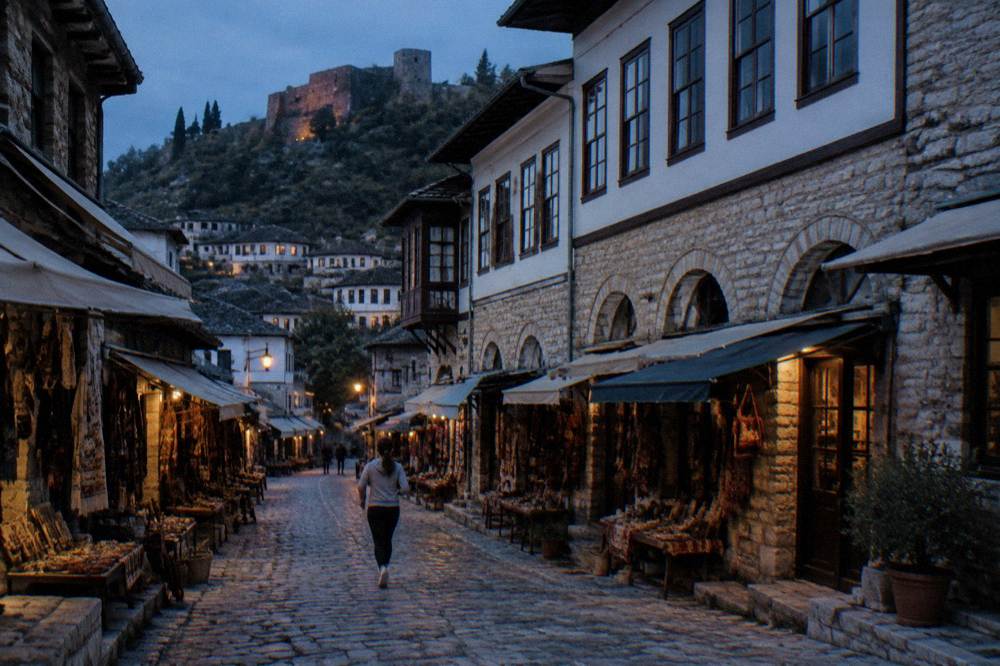
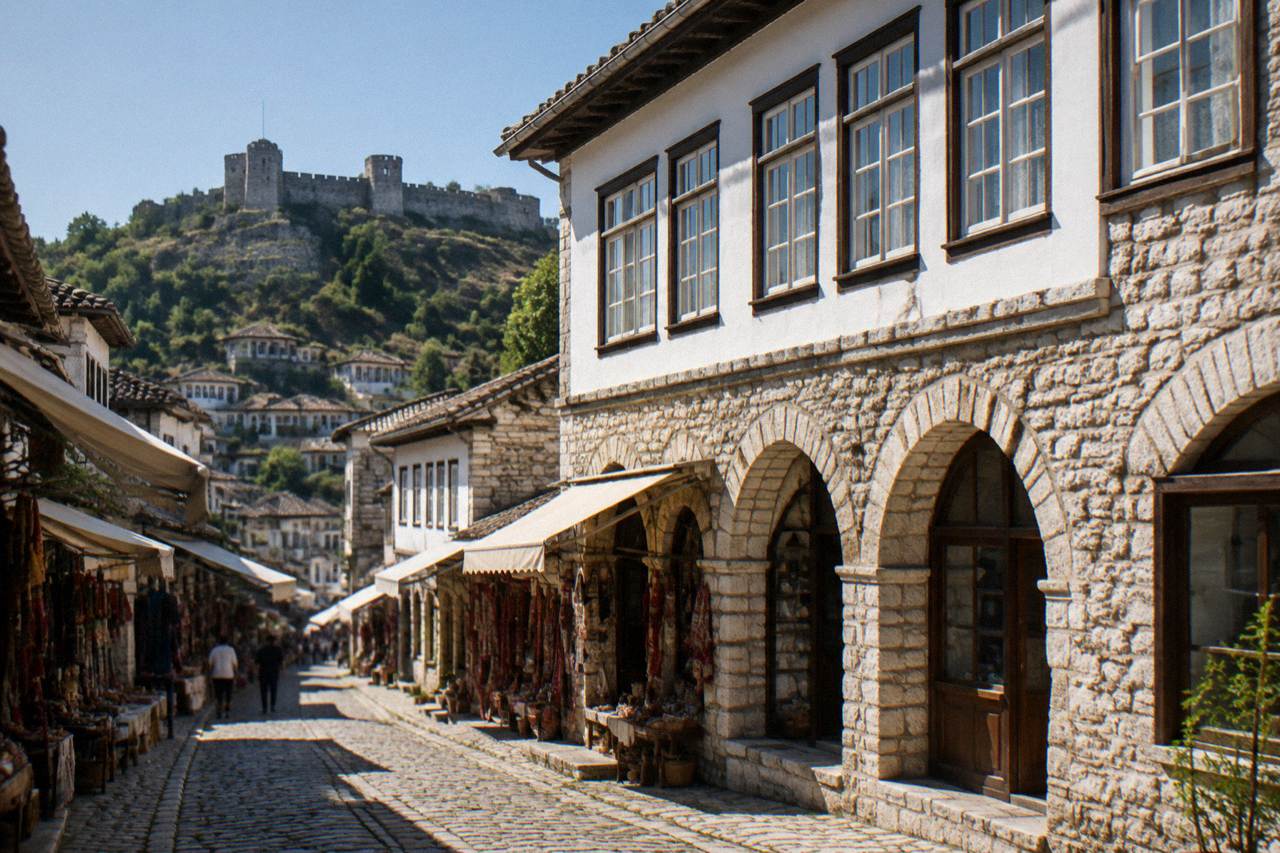
Berat itself earns the visit. UNESCO inscribed Gjirokastra in 2005 and added Berat's city centre in 2008, describing it as "a rare example of a well-preserved Ottoman town". The settlement stacks Mangalem on one bank of the Osum, Gorica on the other, and the Kala, the castle quarter, above them both. The museum belongs to that fabric: small, central, and easy to fold into a walking route that takes in the old town lanes, the castle walls, and the river crossings. What follows is the practical picture, assembled from verified sources, including the honest gaps, because the museum's admission fee and opening hours are not published anywhere this site could verify.
What Is The Solomoni Jewish Museum In Berat?
The Solomoni Jewish Museum is a small independent museum in Berat, Albania, founded in 2018 by Professor Simon Vrusho, and it is the only museum in the country dedicated entirely to the Jewish community. It sits inside the UNESCO-listed old town, within walking distance of Mangalem, the Gorica Bridge and the castle, and it is best treated as a focused half-hour stop inside a wider day of walking the town.
The museum's founding date matters for planning. At 2018, it is one of the newest cultural institutions in Berat, younger than most of the guesthouses in the castle quarter and far younger than everything it stands among. Professor Simon Vrusho created it to give Albanian Jewish life a dedicated space, and the national tourism agency, which lists the museum among Berat's attractions, confirms its uniqueness: nothing else in Albania covers this subject on its own. For a visitor, that means a short queue of expectations. This is not a national-scale institution with wings and cafes. It is a compact, single-theme museum, the kind of place you visit because the subject interests you and because the building itself sits in one of the most atmospheric towns in the Balkans.
Its position in the wider offer is worth understanding before you arrive. Berat's heavyweight sights are architectural: the castle with its 24 defensive towers and the roughly eight churches preserved from the 42 that once stood inside, the white Ottoman houses stacked over the river, the mosques of Mangalem. The museums, Onufri and the Ethnographic among them, add depth to that architecture. The Solomoni museum adds a different dimension altogether, a human and historical thread that the stone does not show you. Visitors who skip it usually do so for scheduling reasons rather than lack of interest, so the sections below are built around making the schedule easy.
Where Is The Museum And How Do You Reach It In Berat?
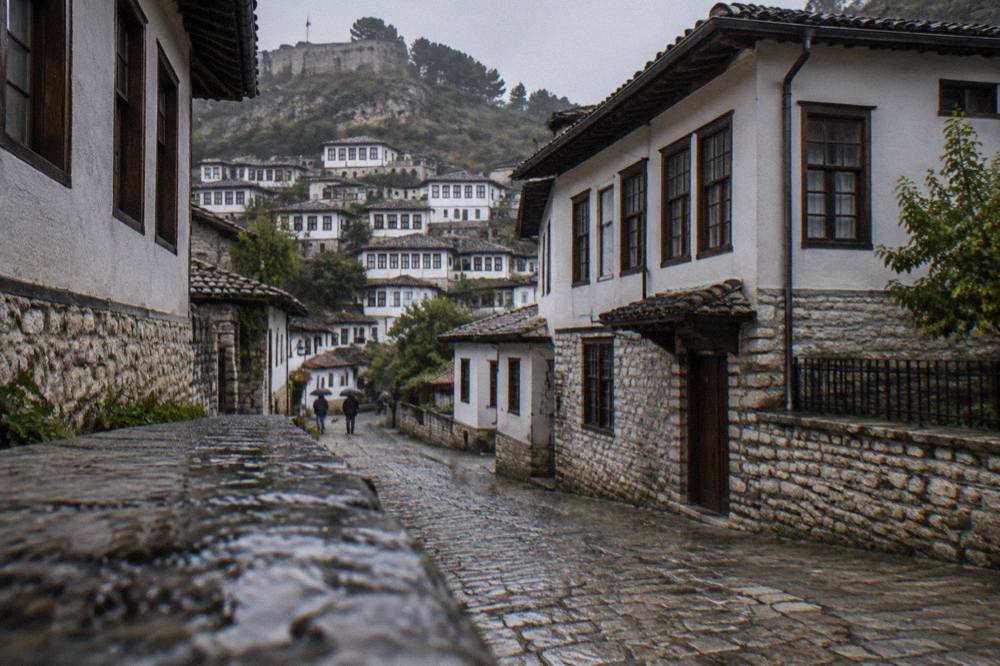
The museum stands in Berat's historic centre in central Albania, close to the Mangalem quarter, so every practical approach is on foot: from the Gorica side across the river, from the bus terminal by a short taxi or local bus ride, or uphill from Mangalem if you are coming down from Berat Castle. No train reaches Berat at all, and buses from Tirana arrive at a terminal on the town's edge, roughly a 15 to 20 minute walk from the old core.
Reachability is one of Berat's quiet strengths. Buses and shared furgons run from Tirana's South-North bus terminal, the Terminali Jug-Veri, with departures roughly hourly from early morning to late afternoon; the journey takes about two and a half hours, and the fare runs to a few hundred lek, paid in cash. There is no direct airport bus from Tirana International Airport to Berat, so fly-in visitors change at the terminal in Tirana. The town's bus station sits on the SH72 road on the outskirts, and from there a local bus, a taxi costing a couple of euros, or a 15 to 20 minute walk gets you to Mangalem, Gorica and the old town.
| Approach | Route | Time | Cost and notes |
|---|---|---|---|
| Bus or furgon from Tirana | Terminali Jug-Veri to Berat terminal | Roughly 2.5 hours | A few hundred lek, cash only, roughly hourly departures |
| From Tirana airport | Airport bus to Tirana, then Berat bus | Half a day door to door | No direct airport-to-Berat service exists |
| From the Berat terminal | Walk, local bus or taxi to Mangalem | 15 to 20 minutes walking | Taxi around 2 to 3 euros if the driver uses the meter |
| Train | None | Not available | No passenger train reaches Berat |
Once you are inside the historic core, distances stop mattering. The old town is compact enough that the museum, the Gorica Bridge, the Lead Mosque and the base of the castle all sit within a single loop of walking. If you are staying in Gorica, you cross the river and you are there; if you are in Mangalem, you are likely already within a few lanes of it. The guide to getting from Tirana to Berat covers the run in more detail, and the Berat bus station area is signposted, though the lane network in Mangalem rewards a map over guesswork.
A note for drivers: car access into the castle quarter is being restricted; plan to park below and walk up. The practical translation is simple. Park below and walk up, which is what most visitors do anyway, and treat the walk from Mangalem to the castle gate as part of the sightseeing rather than a commute. Details are in the driving and parking guide pages and the castle's own article.
If you would rather have transport, guiding and timing handled in one purchase, day tours from Tirana and Durrës are the standard answer, and several of them include Berat's old town as their core itinerary.
What Will You Actually See Inside The Solomoni Jewish Museum?
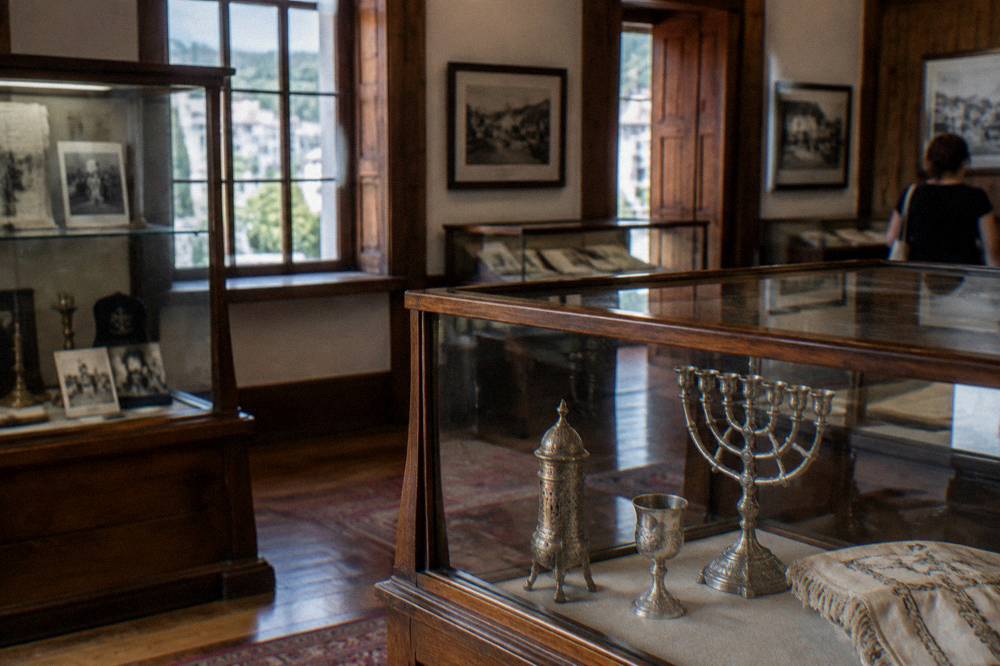
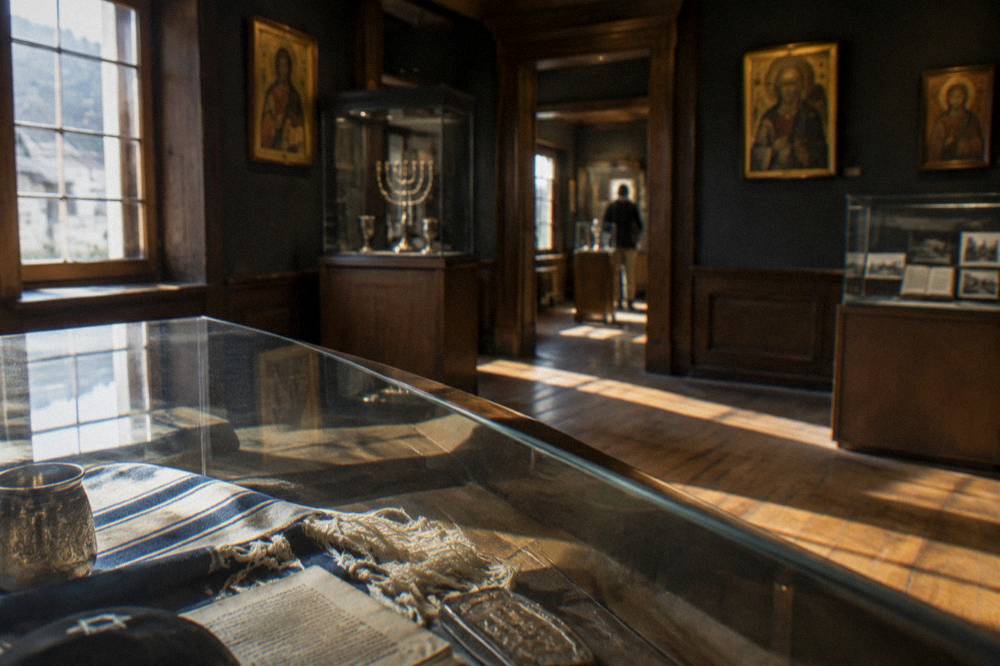
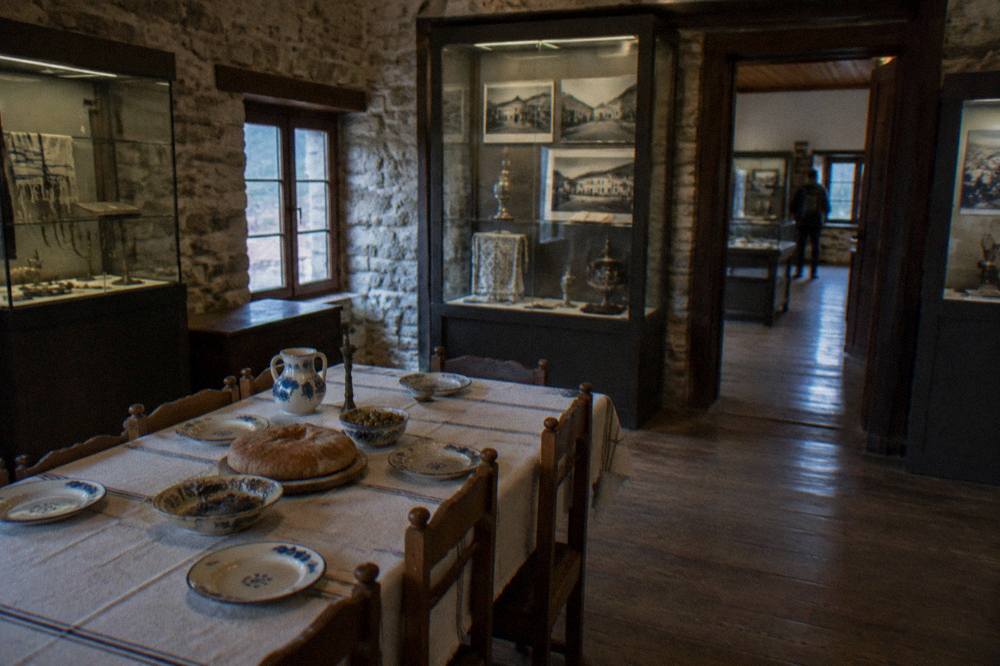
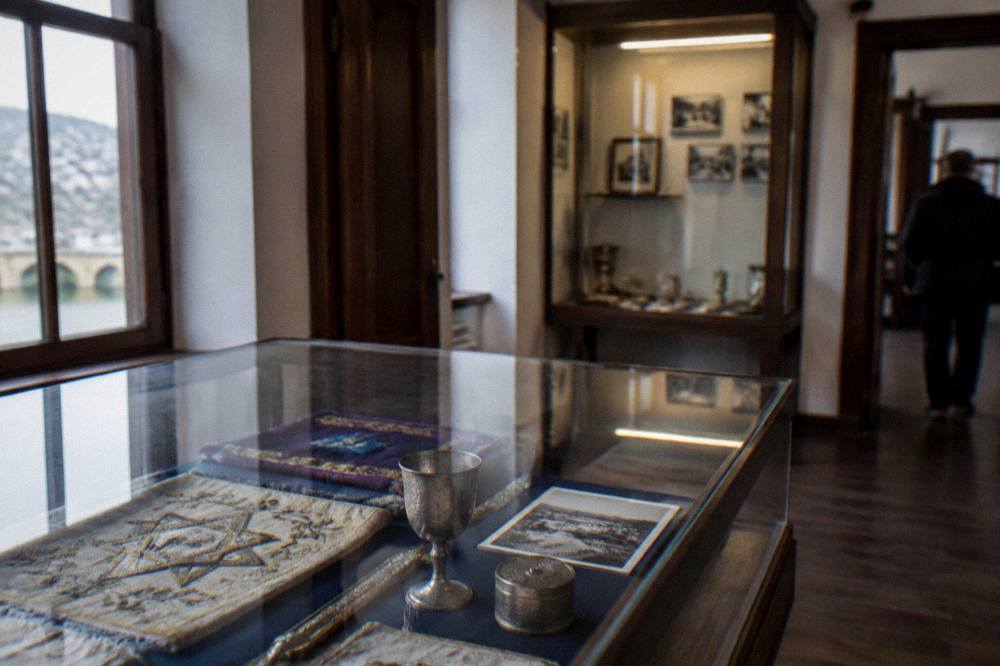
Inside, the Solomoni Jewish Museum presents the story of the Jewish community of Albania through a compact collection in a single historic building, so expect an intimate, document-and-display experience rather than a blockbuster gallery. The verified facts this site can stand behind are the 2018 founding by Professor Simon Vrusho and the museum's unique national focus; the specific object list is not published, so plan around the subject rather than a particular exhibit.
Honesty about the limits of published information is part of this site's promise. The museum's own hours and its admission fee are not verified anywhere in the sources behind this guide, and rather than print a guess, this page stays silent on both and suggests you confirm locally, at your guesthouse or at the door. What is verified is the subject and its standing: the national tourism agency lists it as the only museum in Albania dedicated entirely to the Jewish community, founded in 2018 by Professor Simon Vrusho. That founding story is itself part of what you encounter, a museum created in living memory by a named individual, in a town better known for monuments measured in centuries.
Context helps the visit land. Albania is not an EU member and sits outside the Schengen area, but it is an EU candidate country in active negotiations, and its museums are in the middle of a modernisation wave. State institutions in Berat have had a strong couple of years, as the aside below shows, and the museum landscape you walk through in 2026 is materially better presented than it was even three years ago. A small private museum like this one benefits from that surrounding momentum: the town around it is increasingly used to receiving foreign visitors and answering their questions.
A realistic visit length is 30 to 45 minutes, longer if a host is present and willing to talk. The museum is the kind of place where a conversation doubles the value, and shorter than a castle morning, so slot it between two outdoor anchors: river and bridge below, castle above. That sequencing also protects you from the one genuine unknown, the opening hours, by putting the museum in the flexible middle of your day rather than at its fixed ends.
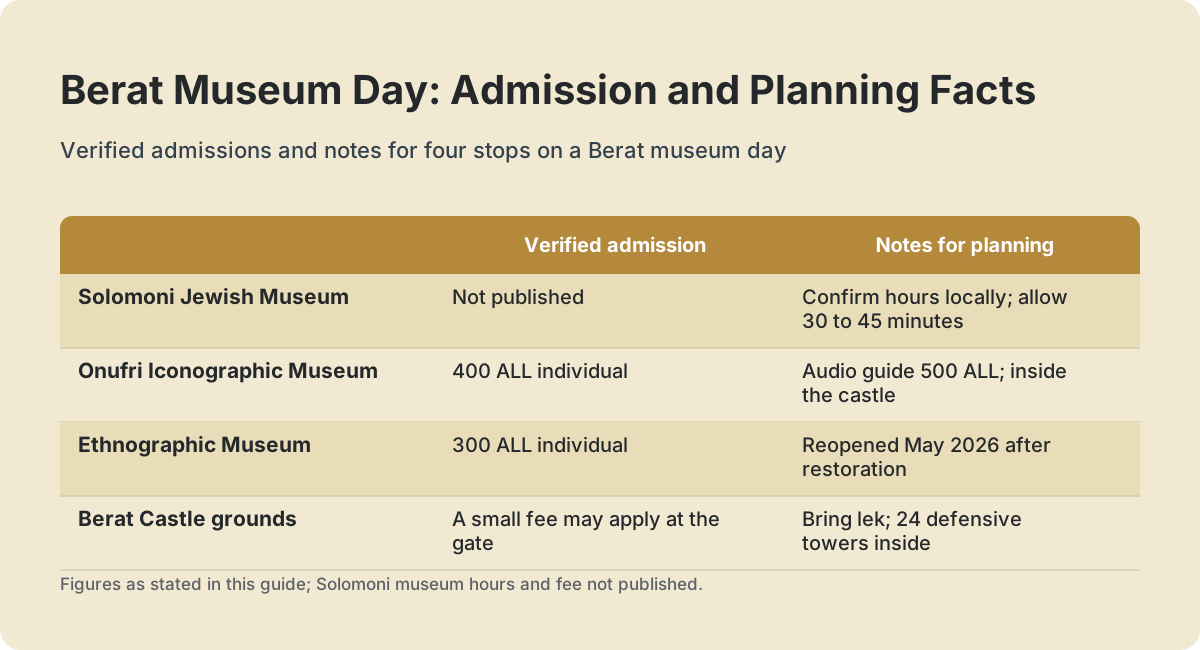
| Stop on a museum day | What it covers | Verified admission | Notes for planning |
|---|---|---|---|
| Solomoni Jewish Museum | The Jewish community of Albania | Not published | Confirm hours locally; allow 30 to 45 minutes |
| Onufri Iconographic Museum | Icons and church art inside the castle | 400 ALL individual | Audio guide 500 ALL; hours listed below |
| Ethnographic Museum | Traditional Berat domestic life | 300 ALL individual | Reopened May 2026 after restoration |
| Berat Castle grounds | Walls, towers, churches, views | A small fee may apply at the gate | Bring lek; the quarter is lived-in |
What Do The Other Berat Museums Cost And When Are They Open?
Berat's two state museums charge 400 ALL for the Onufri Iconographic Museum and 300 ALL for the Ethnographic Museum, with reduced rates for students and ages 12 to 18 and free entry for children under 12; from 1 May to 30 September both run 9:00 to 18:00 daily, and from 1 November to 30 April they run Tuesday to Saturday 9:00 to 16:00 and Sunday 10:00 to 15:00. The Solomoni museum's own hours and fee are not published.
Those state figures come straight from the Berat Museum Center's official site and they are worth having in your head, because the currency is the Albanian lek and the exchange rate runs at roughly 92 lek to the euro. Paying in lek is the default in the old town; the euro is not legal tender in Albania, and while some tourist-facing businesses accept it informally, change usually comes back in lek at a worse effective rate. Cards work in some hotels and larger venues, but Mangalem is largely cash territory, so arrive with lek if museum visits are on your plan.
| Ticket | Onufri Iconographic Museum | Ethnographic Museum |
|---|---|---|
| Individual | 400 ALL | 300 ALL |
| Reduced | 200 ALL | 150 ALL |
| Ages 12 to 18 and students | 120 ALL | 90 ALL |
| Children under 12 | Free | Free |
| Audio guide | 500 ALL | Not listed |
Two planning details from the same official source deserve their own lines. First, the museums observe free admission days: 18 April, 18 May, 21 May and 29 September are free for everyone, while 28 and 29 November are free for Albanian citizens only. Second, October is simply not covered by the published hours schedule, a genuine gap in the official page, so an autumn visitor should treat the summer hours as the best guess and confirm at the door. Documentation is required for the discounted and free categories, so carry student ID if it applies to anyone in your group.
| Season | Onufri and Ethnographic hours |
|---|---|
| 1 May to 30 September | Daily 9:00 to 18:00 |
| 1 November to 30 April | Tuesday to Saturday 9:00 to 16:00, Sunday 10:00 to 15:00 |
| National holidays | Open |
| October | Not listed on the official page; confirm locally |
Which Sights Pair Best With The Solomoni Jewish Museum?
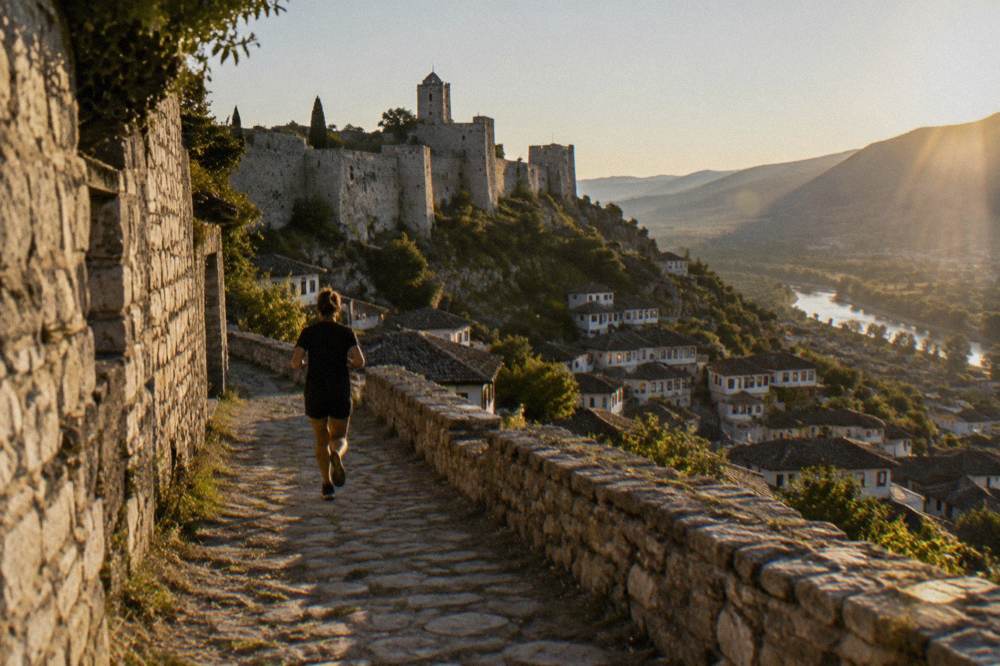
The strongest pairings are the Onufri Iconographic Museum inside Berat Castle, the Ethnographic Museum in the old town, the castle walls themselves, and the Gorica Bridge over the Osum, all of which sit on one walking loop of a few hours; for a second day, the Osumi Canyon and the wineries of the Berat region extend the trip into the countryside.
Build the loop from the river up. Cross the Gorica Bridge, the historic crossing that links the two old quarters, walk Gorica's quiet lanes, recross, and work through Mangalem past the King Mosque and the Bachelor's Mosque toward the castle gate. The castle is the anchor: 24 towers along the walls, a lived-in quarter where guesthouses operate inside, and roughly eight churches preserved from the 42 that once stood within the fortifications. The Berat Castle guide covers the climb and the interior; the Onufri Museum article covers what the icons inside the castle's Church of St Mary actually are and why they matter.
| Sight | Type | Admission | Why it pairs |
|---|---|---|---|
| Onufri Iconographic Museum | Museum, inside castle | 400 ALL | The artistic counterweight to the Jewish museum's historical focus |
| Ethnographic Museum | Museum, old town | 300 ALL | Reopened in May 2026 with about 1,300 objects |
| Berat Castle | Fortified quarter | Small fee may apply, bring lek | Views over both river banks and the towers |
| Gorica Bridge | Historic bridge | Free | The photogenic link between the quarters |
| Osumi Canyon rim viewpoints | Natural monument | No entrance fee | Day-trip option, about an hour and a half from Berat by road |
For a longer stay, the Ethnographic Museum deserves its own hour, especially since its May 2026 reopening after three years of restoration put around 1,300 objects back on display. The two state museums and the Solomoni museum make a natural trio: Jewish community, icon art and domestic life, three slices of the same Ottoman town. And if the museum day leaves you with an afternoon to spare, the Osumi Canyon and the Berat wineries pages cover the two most popular countryside directions, both reachable on organised tours out of the town.
Can You See The Museum On A Guided Day Tour From Tirana Or Durrës?
Yes, guided day tours from Tirana and Durrës regularly include Berat's old town and Mangalem, the quarter where the Solomoni Jewish Museum stands, so a day-trip visitor can usually reach the museum's street even though the small museum itself is not the headline of these itineraries; independent visitors staying overnight in Berat have the easiest access of all.
The mechanics are straightforward. Day tours leave from Tirana and Durrës, run the road to Berat, and spend their time on the castle, Mangalem and the viewpoints, with some adding Belshi Lake or a tasting stop. What they give you is logistics: no bus terminal, no cash-only ticket fumbling, no timing anxiety about the last furgon back. What they cannot give you is a long museum afternoon, because the day is shaped around the town's exterior. The trade is worth making consciously. If the Solomoni museum is a priority for you, either stay a night in Berat, which the where to stay in Berat guide makes easy, or accept that a day tour gives you the town and you return under your own steam another time.
The featured trip on this site is the Berat UNESCO heritage and Belshi Lake day tour, which runs from Tirana or Durrës and combines the old town with the lake: Check availability. It is the right shape for a first Berat visit, the castle-and-Mangalem core with a scenic finish. The same thinking drives the wider Berat Travel Guide roster: pick one guided anchor for the travel day, then leave slack in the schedule for the stops that matter to you personally, and a small single-theme museum is exactly the kind of stop that needs slack.
If you are organising your own trip rather than buying a day, the bus details earlier in this guide are the whole of the puzzle, and they are friendly ones: one terminal in Tirana, cash for the fare, and a walk or short taxi at the far end. Guided and independent are both workable here; the mistake is assuming Berat needs a car, which it does not.
Which Food And Wine Experiences Round Out A Museum Day In Berat?
Berat's food and wine offer pairs naturally with a museum day because the town sits in one of Albania's wine regions: a guided winery tour with transfers runs around three hours, cooking classes run three to four hours, and both usually finish in time for an evening in Mangalem; budget a tasting or a class as your afternoon block after a morning of museums.
The regional wine story is genuinely distinctive rather than generic. The Berat area grows native Albanian varieties, Shesh i Zi and Shesh i Bardhë from central Albania and the local white Puls, and the family wineries around Roshnik, Cobo among them, work with exactly those grapes, including a traditional-method sparkling Puls. That level of specificity is rare in this part of the Balkans, and it is the reason the winery pages on this site treat Berat as a wine destination in its own right rather than a footnote to the castle. Cobo's own press materials, read for this site's research, describe tastings alongside local products like olives and cheese.
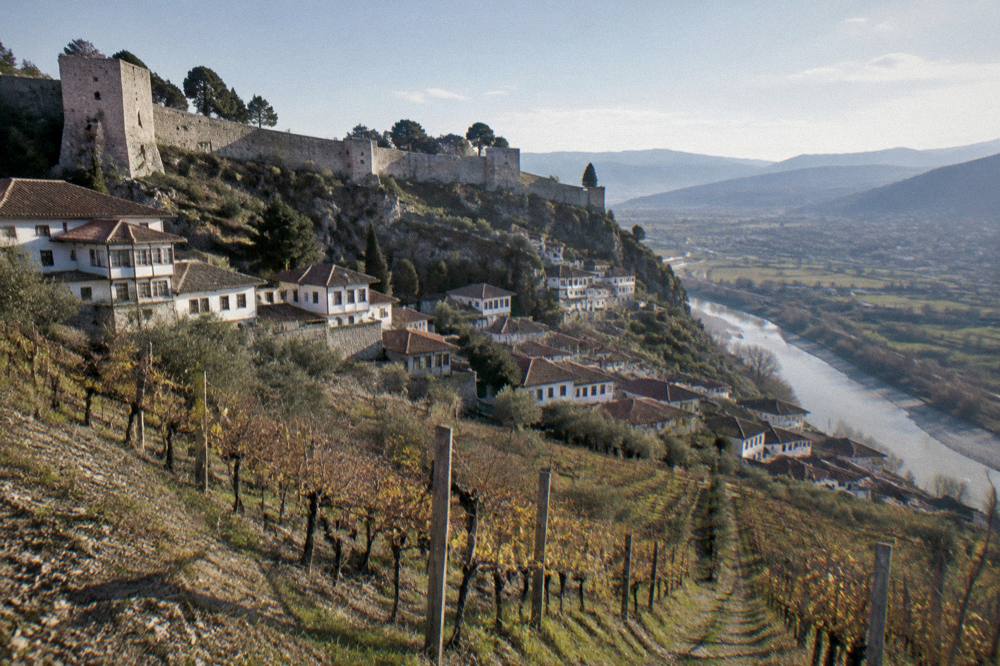
The authentic local wine tasting and winery tour is the closest fit for a museum afternoon, a three-hour visit built around a local winery with transfers from Berat included. If the day has been heavy on looking and you would rather end it cooking, a class is the alternative, and Berat's cooking classes are built on the town's own dishes, qifqi rice dumplings and tavë kosi among the specialities that local kitchens are known for. The Slow Food community is active in Berat, and its interest in preserving traditional recipes is visible in what the classes actually teach.
For food without a booking, the where to eat in Berat guide lists the kitchens that matter, and the old town's scale means dinner is never more than a few lanes from anywhere you spent the afternoon. Eating out in Berat is cheap, so the evening costs less than most visitors expect; a full breakdown lives on the
When Is The Best Time Of Year To Visit Berat And The Museum?
Berat is at its most comfortable in the shoulder months of late spring and early autumn, when the walking loop between the museum, the bridge and the castle avoids the summer heat, which can top 40 °C on the hottest July and August days; winters are wetter and quieter, and the museum's indoor format makes it a good bad-weather stop at any time of year.
That temperature statement stays deliberately qualitative, because no official station normals for Berat exist in the sources behind this guide, and this site does not publish climate tables it cannot source. What is known: summers are hot and dry, winters are wetter, and July 2026 produced the hottest day of the year with the country's highest readings recorded in Berat, shade values around 42 °C. The practical implication for a museum-centred itinerary is that the town's indoor stops, the Solomoni museum included, are worth having in reserve for the early afternoon hours of a summer day, with the castle and the bridge walked before the heat builds.
Seasonal events can anchor the timing too. The "Wine & Stories of Berat" festival runs over the first days of October, with the 2026 edition on 2 to 4 October, and it turns the town into a tasting floor for Albanian and Kosovo wineries. If museums are your priority, October also carries the hours caveat noted earlier, the state museums' October schedule is not published on the official page, so an October visitor should confirm timings locally rather than trust a table. The Berat weather guide unpacks the seasons in more depth for anyone weighing month against month.
Practical safety and money notes close the picture. Albania's currency is the lek, roughly 92 to the euro, and the old town runs on cash, with foreign-card ATM fees commonly in the 500 to 800 lek range, so withdraw at bank branches rather than standalone machines. The UK travel authority advises against no part of Albania, the US State Department's standing advisory for the country is Level 2, exercise increased caution, and 112 is the general emergency number, with 127 for an ambulance and 128 for fire. None of this is Berat-specific alarm; it is the ordinary background to a Balkan town that sees plenty of foreign visitors. More detail lives in the is Berat safe guide.
How Should You Structure A Full Day Around The Museum?
A well-shaped day runs the castle and the Onufri Museum in the cooler morning, descends through Mangalem to the Solomoni Jewish Museum and lunch in the early afternoon, and crosses the Gorica Bridge for the evening light on the river, with either a winery tour or a cooking class slotting into the afternoon if you have booked one; two days is the comfortable total if you want to add Osumi Canyon or a second museum without rushing.
The ordering is deliberate. The castle climb is the most physical part of the day, so it goes first, and the Onufri Museum's 9:00 opening makes a 9:00 to 12:00 castle block the natural start. Descending into Mangalem at midday puts you exactly where the Solomoni museum stands, hungry and ready for lunch, and the afternoon then flexes around whatever you have booked: a tasting, a class, or nothing but the bridge and the river bank. The final light on the white walls from the Gorica side is the town's signature view, and it costs nothing.
For the second day, the countryside takes over. The Osumi Canyon, a protected natural monument near Çorovodë in the Skrapar region, is roughly an hour to an hour and a half from Berat by road, its rim viewpoints, the Bride's Hole and the Old Italian Bridge among them, carry no entrance fee, and rafting operators run the river in spring when the snowmelt is high, roughly March into early June. The Tomorr massif, whose main peak Çuka e Partizanit stands at 2,416 m, rises over the region as a national park. Both are covered by their own guides on this site, and both are the reason a two-day Berat itinerary beats a rushed one.
If all of that fits into a single guided purchase instead, the trio below is the shortlist this site stands behind for the museum-and-more version of Berat.
Common Questions About The Solomoni Jewish Museum In Berat
What is the Solomoni Jewish Museum in Berat?
It is a small museum in Berat, Albania, founded in 2018 by Professor Simon Vrusho, and the only museum in the country dedicated entirely to the Jewish community. It sits inside the UNESCO-listed old town, a short walk from Mangalem and the Gorica Bridge.
How much does the Solomoni Jewish Museum cost to visit?
The admission fee is not published in any source this site could verify, so no figure is quoted here. Bring lek in case a small fee applies at the door, and confirm locally. The state museums nearby, Onufri at 400 ALL and the Ethnographic at 300 ALL, publish their prices officially.
What are the opening hours of the Solomoni Jewish Museum?
Opening hours are not verified anywhere either, so this guide stays silent rather than guessing. Ask at your guesthouse or at the tourist information point on arrival. As a rule of thumb, the state museums keep summer hours of 9:00 to 18:00 from 1 May to 30 September.
How long should I spend at the Solomoni Jewish Museum?
Plan on 30 to 45 minutes. It is a compact, single-theme museum, best used as one stop inside a walking day that also takes in Berat Castle, the Onufri Museum and the Gorica Bridge.
Can I visit the museum on a day tour from Tirana?
Day tours from Tirana and Durrës centre on the castle, Mangalem and the viewpoints, and Mangalem is the quarter where the museum stands, so the street itself is usually within reach on a guided day. The small museum is not the headline of these itineraries, so stay overnight in Berat if it is a priority.
What else should I see near the Solomoni Jewish Museum?
Everything is on one walking loop: Berat Castle with its 24 towers, the Onufri Iconographic Museum at 400 ALL, the Ethnographic Museum at 300 ALL, reopened in May 2026, the Gorica Bridge, and the mosques and lanes of Mangalem and Gorica.