Bachelors Mosque Berat
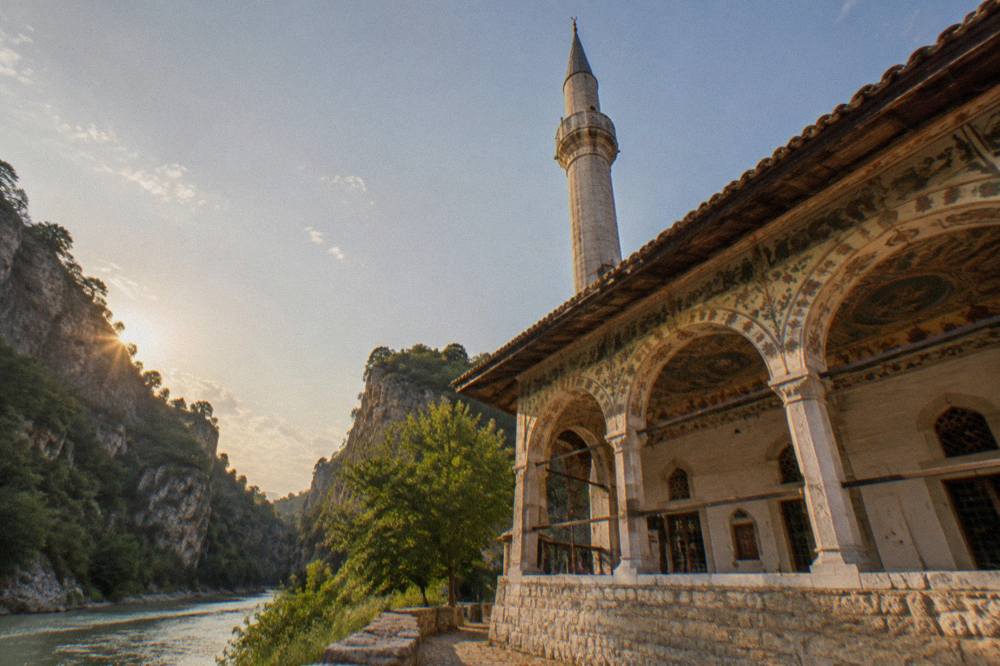
The Bachelors Mosque is one of the small Ottoman-era mosques scattered through the UNESCO-listed old town of Berat, the hill city on the Osum River in central Albania. This guide puts it in context: the quarter it stands in, the larger mosques around it, the museums within walking distance, and the canyon trips that fill an afternoon once the stone streets are done.
Short answer
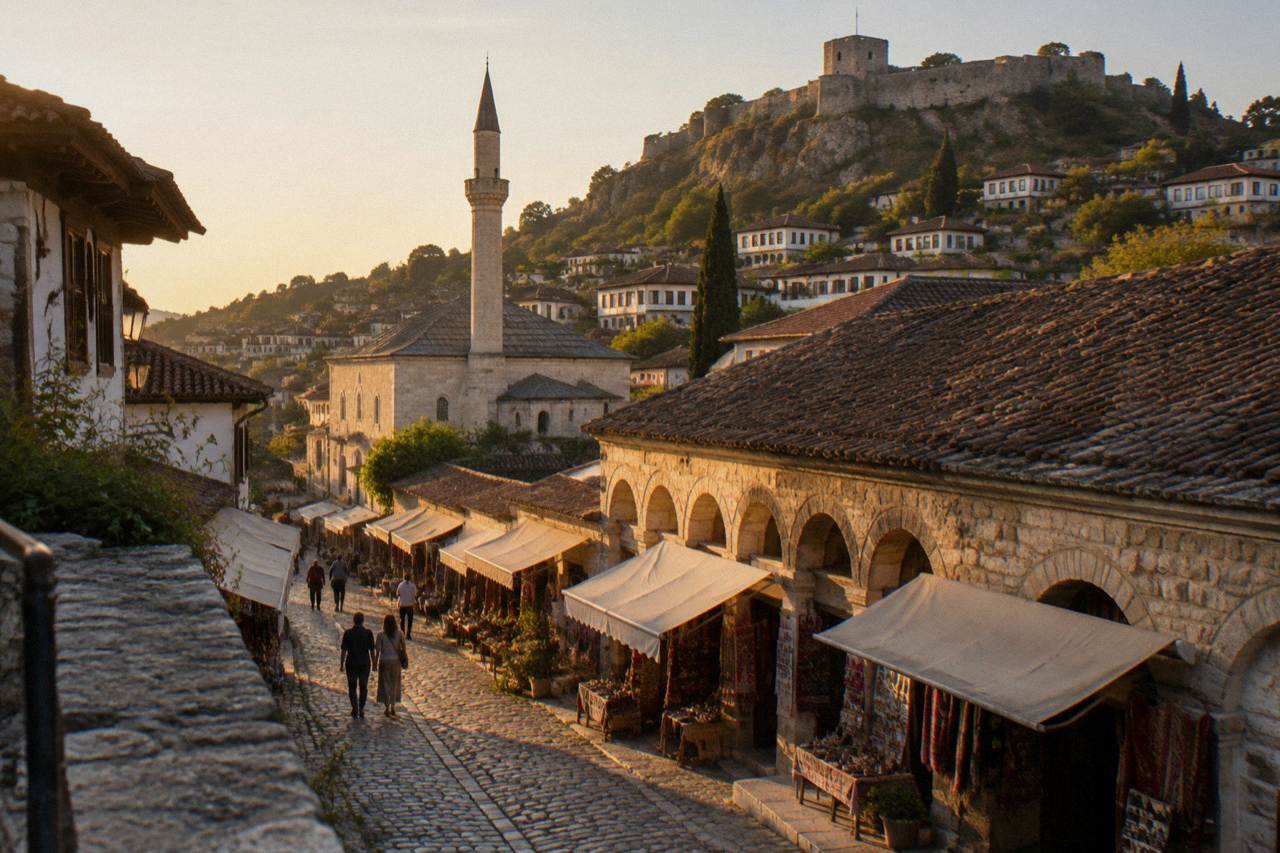
The Bachelors Mosque is a small Ottoman-era mosque in Berat's historic centre in central Albania, part of the UNESCO World Heritage property inscribed in 2008. Entry is free to view from outside and hours are not formally published, so treat a walk past it as part of an old town route that also takes in the Onufri Museum (400 ALL) and Berat Castle.
Berat, in central Albania, is a UNESCO World Heritage Ottoman-era hill town strung along the Osum River, and the Bachelors Mosque is one of the small historic mosques that give its old quarters their silhouette. The town was added to the World Heritage List in 2008 as an extension to the Historic Centres of Berat and Gjirokastra, and UNESCO describes it as a rare example of a well-preserved Ottoman town. Within that ensemble, the grand monuments, the castle, the Onufri Museum, the Gorica Bridge, tend to absorb the guidebooks, while the smaller mosques sit quietly in the lanes and reward anyone who slows down. This page explains what the Bachelors Mosque is, where it fits on a walking route, which sibling mosques sit near it, and what to do with the rest of a day in Berat.
What Is The Bachelors Mosque In Berat, Albania?
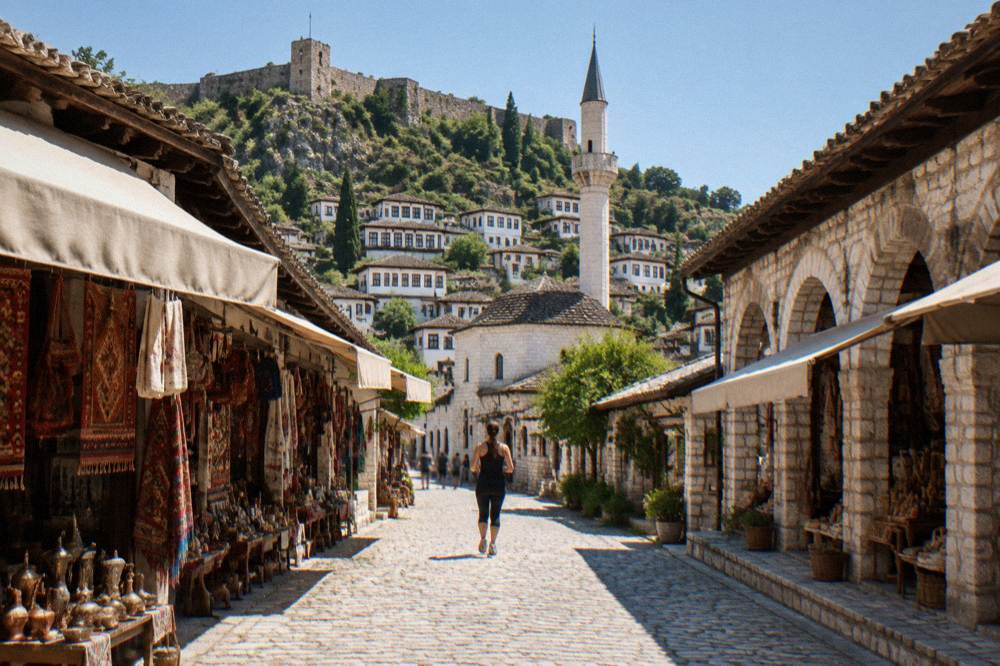
The Bachelors Mosque is a small Ottoman-era mosque inside the historic centre of Berat, a UNESCO World Heritage town in central Albania on the Osum River, added to the World Heritage List in 2008 as an extension to the Historic Centres of Berat and Gjirokastra. It is not a museum with ticket desks and published hours; it is a piece of the lived-in fabric of the old quarters, best understood as one stop on a walk through the town's Ottoman streetscape. Berat's World Heritage inscription covers a property of 58.9 hectares shared with Gjirokastër, and the small mosques of the Mangalem and Gorica quarters are part of what that inscription protects. You visit it on foot, from the outside, in a few unhurried minutes.
That framing matters, because travellers often arrive expecting every listed building in Berat to operate like a ticketed attraction. It does not. The old town is a working neighbourhood, and its smaller religious buildings, including this one, function primarily as landmarks within the streetscape rather than as staffed sites. There is no published opening schedule for the Bachelors Mosque in any official source this site has verified, and no entry fee has ever been recorded for it. If the door happens to be open and you wish to look inside, dress modestly, remove shoes at the threshold, and ask if anyone is present; the polite default is to enjoy the exterior and move on.
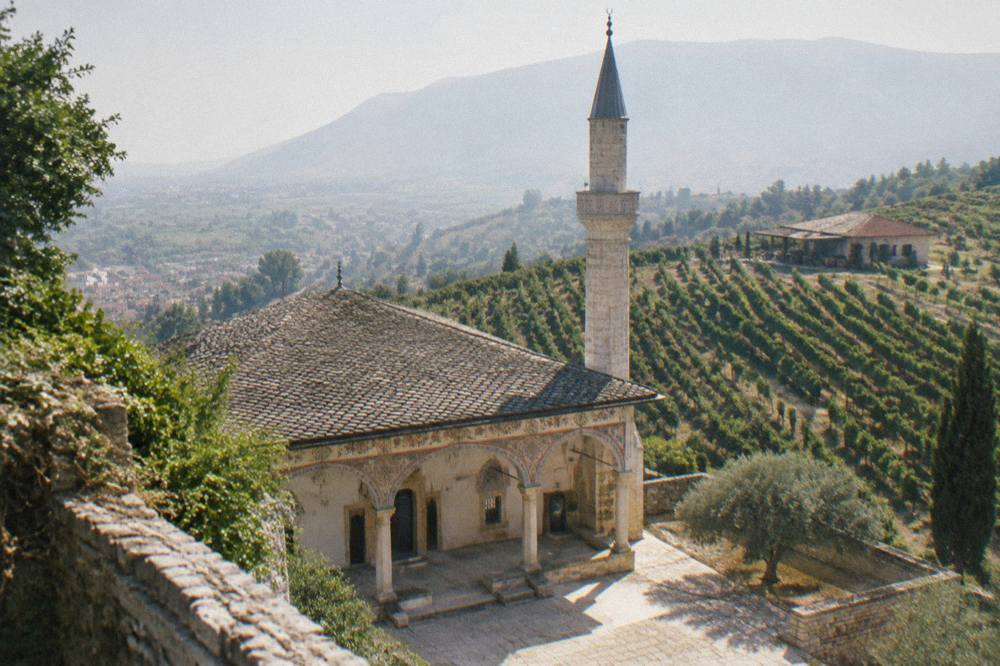
The mosque belongs to a wider family of Berat's Ottoman heritage. The castle quarter alone preserves the remains of about 42 churches that once stood inside its walls, with around eight still standing, and the Red Mosque among the earliest Islamic buildings in the fortress. Down in the town, the King Mosque, the Lead Mosque and the Bachelor's Mosque carry the same Ottoman story at street level. Each has its own character, and together they explain why Berat reads as a town of many faiths layered over centuries.
Where Does The Bachelors Mosque Fit On An Old Town Walk?
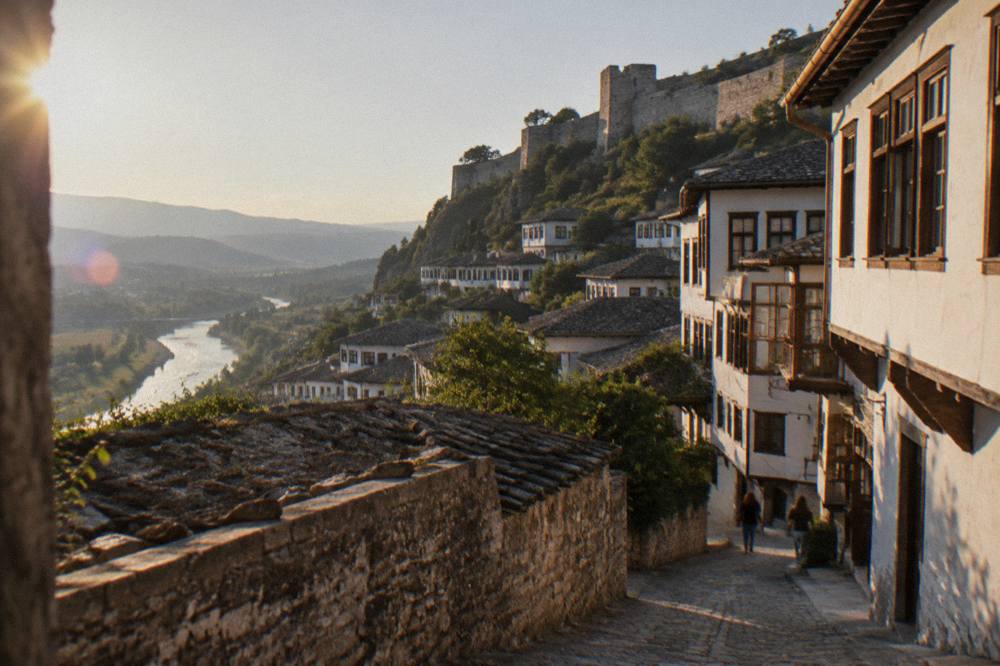
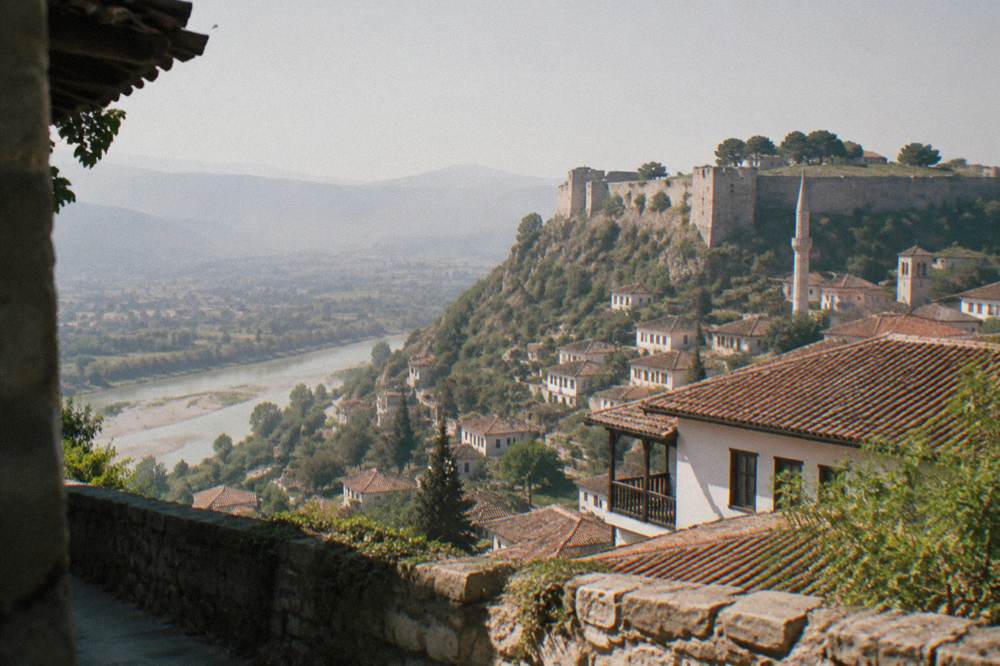
It belongs on the Mangalem leg of a walk through Berat's old quarters, between the riverside boulevard and the climb to Berat Castle, and it sits alongside the other historic mosques of the town centre so that a single morning loop can take in all of them plus the Gorica Bridge and the thousand-windows view. Mangalem is the famous hillside quarter of stacked white houses that gives Berat its nickname, and its lanes are where most of the town's Ottoman religious buildings concentrate. A sensible route starts on the river, crosses to either bank, works through Mangalem, and finishes with the castle above. The mosque is a pause on that route, not a destination in itself.
The walk is short in distance but generous in stops. Berat's old core is compact enough that everything worth seeing sits within a morning's stroll, which is exactly why a fixed walking plan helps: without one, people drift, miss the smaller mosques, and end up retracing steps in the midday heat. Summers in Berat are hot and dry, and summer heat can top 40 °C, so old-town walking is genuinely better in the morning, with the afternoon given over to shade, a long lunch, or a trip out of town.
| Stop on the walk | What you see | Rough role in the route |
|---|---|---|
| Gorica Bridge area | Historic bridge over the Osum and the river views both ways | Orientation start or finish |
| Mangalem lanes | Stacked white houses, the thousand-windows view | The heart of the walk |
| Bachelors Mosque | Small Ottoman-era mosque in the historic fabric | Short stop, viewed from outside |
| King Mosque and Lead Mosque | Larger Ottoman mosques of the town centre | Short stops, five minutes each |
| Base of the castle road | Gateway to the Kala quarter | Start of the climb |
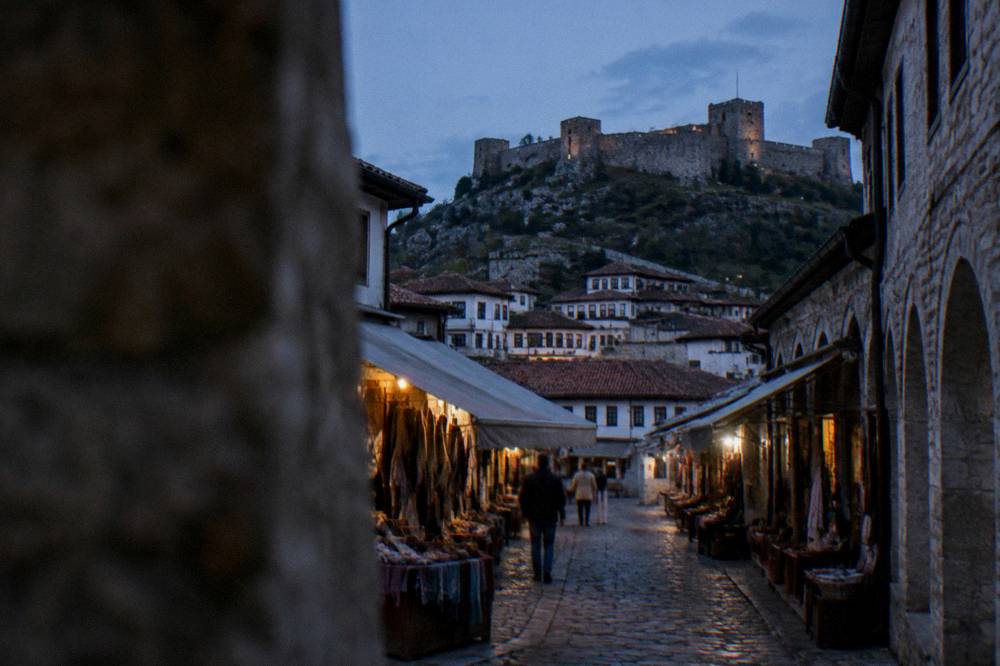
Car access into the castle quarter is being restricted, so the practical plan is to park below and walk up. The lane surfaces are stone and steep in places, so ordinary shoes work but sandals on a hot day are a personal choice you will regret on the climb. For the broader picture of the whole old town, the Berat old town area guide covers the quarters, bridges and viewpoints in order, and the walking time up to Berat Castle question is answered separately if the climb is your main worry.
Pairing the old town with a wider Berat stay also opens options that are not about stones and museums at all. The mountains and canyons south of town are the town's other half, and many visitors split a two-day visit between the old town and a canyon trip. These are the three canyon products this site highlights most often:
Which Other Ottoman Mosques Can You See In Berat?
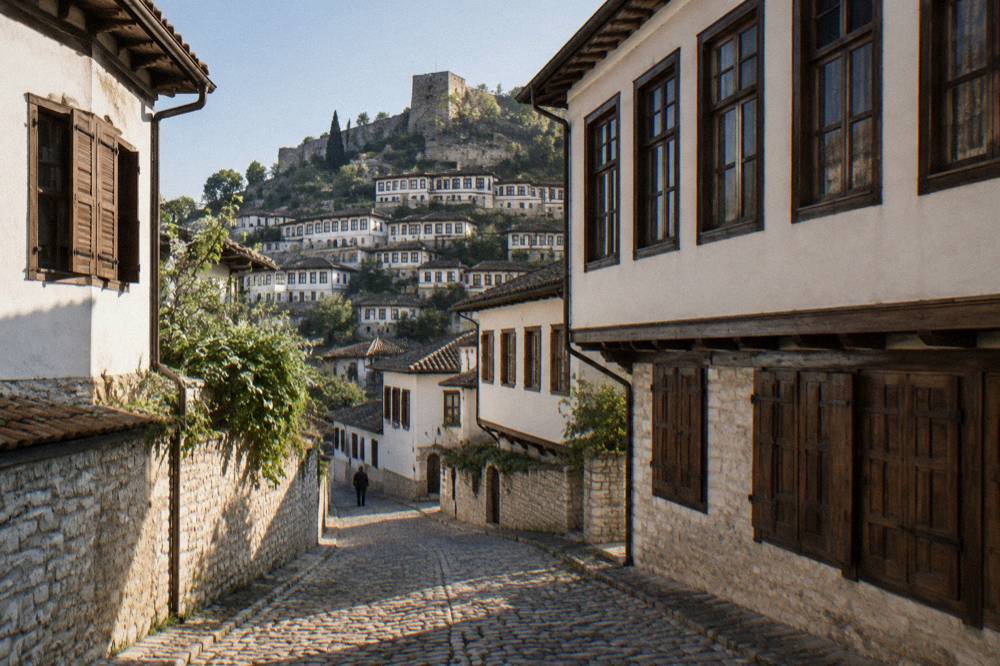
Berat has several Ottoman mosques within a short walk of one another, and the three most often visited are the King Mosque in the town centre, the Lead Mosque near the river, and the Red Mosque inside Berat Castle, which counts among the earliest Islamic buildings of the fortress; the Bachelor's Mosque is the quiet member of that group, seen in a few unhurried minutes while the others anchor the route. A morning's walk can touch all of them without rushing.
The King Mosque and the Lead Mosque each have their own pages on this site with their own details, and it is worth keeping their facts separate rather than blending them, because their settings differ. Treat every mosque exterior as reliably viewable, and every interior as a matter of luck and timing. Hours for none of the town's small mosques are formally published.
| Mosque | Location | Character | Time to allow |
|---|---|---|---|
| Bachelors Mosque | Historic old quarters | Small Ottoman-era mosque, quiet stop | A few minutes |
| King Mosque | Town centre | Principal historic mosque of the centre | Five to ten minutes |
| Lead Mosque | Riverside side of the old town | Ottoman-era mosque near the river | Five minutes |
| Red Mosque | Inside Berat Castle | Among the earliest Islamic buildings in the fortress | Seen during the castle visit |
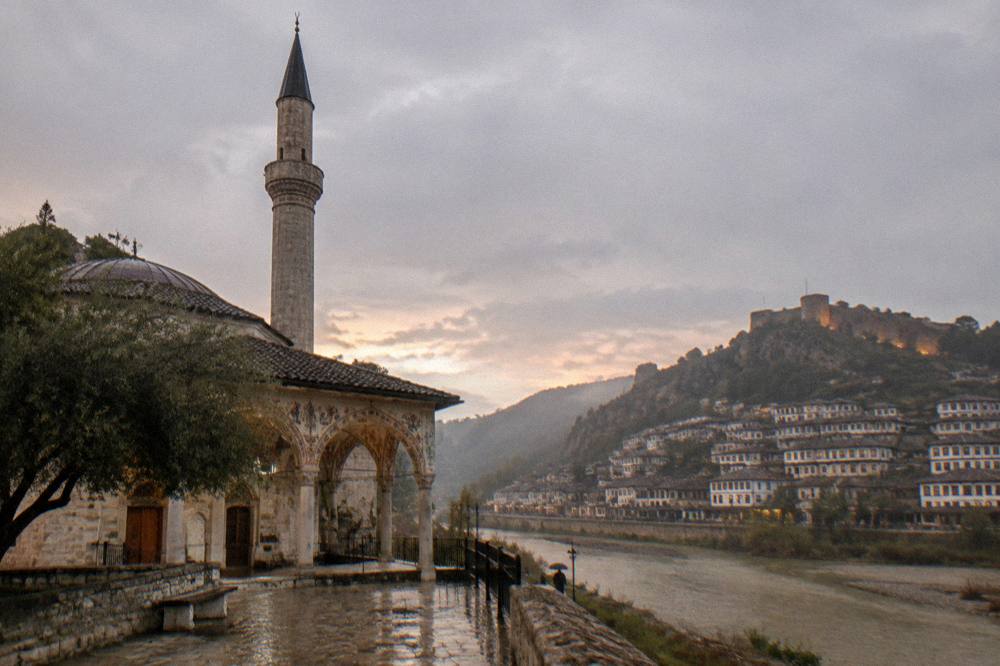
This cluster of mosques is one of the reasons Berat photographs so well: minarets and church towers share the same skyline without any of them dominating. The Gorica Bridge and the two riverbanks give the classic view of the whole ensemble, with the Gorica quarter facing Mangalem across the water. Recent UNESCO state-of-conservation reporting records completed restoration projects in both the Mangalem and Gorica quarters, including historic urban landscape works and a castle trail, which is visible on the ground as repaired streets and tidied building fronts.
For many visitors the mosque walk is the morning half of the day, and the afternoon is the question. If an old-town morning is booked solid and you still want movement, water and scenery in the second half, the swim-and-float canyon trip is the one that pairs most naturally with a walking day.
How Do You Combine The Bachelors Mosque With Museums And The Castle?
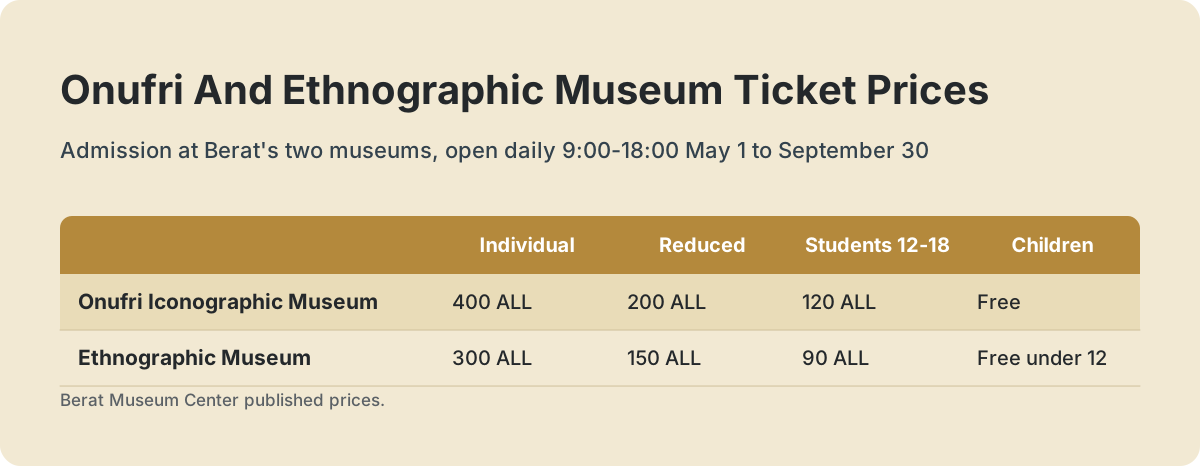
The efficient day pairs the mosque walk with the Onufri Iconographic Museum inside Berat Castle, which costs 400 ALL for an individual ticket, and the Ethnographic Museum in the town below, which costs 300 ALL, both open daily 9:00-18:00 in the summer season. Those figures come from the Berat Museum Center's own published prices, and they are the only verified admission figures in the town. Both museums sit within the same compact walk as the mosques, so a single loop can take in the whole set.
The Onufri Museum is the anchor. It sits inside the castle, inside the Church of St Mary, and holds the icon collection for which Berat is famous; it drew 58,912 visitors between January and July 2026, a 16 percent rise on the same period a year earlier, and around 14,000 in August 2026 alone. It is genuinely busy in high summer, which is one more argument for a morning start. The Ethnographic Museum reopened on 30 May 2026 after more than three years of restoration, displaying around 1,300 objects in a rebuilt interior, and it has drawn mostly foreign visitors since. Online ticketing through the national e-Albania system launched in November 2025 and covers Berat's museums, so tickets can be bought ahead.
| Museum | Individual ticket | Reduced | Students and ages 12-18 | Children |
|---|---|---|---|---|
| Onufri Iconographic Museum | 400 ALL | 200 ALL | 120 ALL | Free |
| Ethnographic Museum | 300 ALL | 150 ALL | 90 ALL | Free under 12 |
| Season | Days | Hours |
|---|---|---|
| May 1 to September 30 | Daily | 9:00-18:00 |
| November 1 to April 30 | Tuesday to Saturday | 9:00-16:00 |
| November 1 to April 30 | Sunday | 10:00-15:00 |
Free entry days fall on 18 April, 18 May, 21 May and 29 September for everyone, and on 28 and 29 November for Albanian citizens. An audio guide at Onufri costs 500 ALL. The Onufri Museum and the Ethnographic Museum have their own pages with the full detail. For the castle itself, the grounds are a lived-in quarter with no verified current published fee; there may be a small fee at the gate in daytime, so bring lek, and the walls' 24 defensive towers and the surviving churches inside are the draw. The Berat Castle page handles the climb, the walls and the guesthouses inside.
Can You Visit The Bachelors Mosque On A Day Trip From Tirana Or The Coast?
Yes, comfortably: Berat is roughly two and a half hours from Tirana by road, with buses running from Tirana's South-North terminal through the day, so a day trip gives you the mosque walk, one museum and the castle if you start early. There is no direct airport bus from Tirana airport to Berat, so fly-in visitors change in Tirana, and no passenger train reaches the town; the rail line between Tirana and Durrës is under reconstruction toward an end-2027 target. The road, in short, is the only practical way in.
Fares on the Tirana buses run to a few hundred lek, paid in cash, and advance booking is rarely needed outside peak weekends. Berat's bus terminal sits on the SH72 on the outskirts, a 15 to 20 minute walk or a short taxi ride from the old town. If a day trip is your format, the honest advice is to keep the mosque walk tight in the morning, choose the Onufri Museum as your single ticketed stop, and leave time for lunch in Mangalem rather than racing the castle, the museums and the viewpoints all in one stretch. The Tirana to Berat transport guide carries the full schedule detail, and the one day in Berat itinerary sequences exactly this kind of compressed visit.
For anyone staying overnight, the calculus changes completely. Two days let you walk the old town at a human pace and then spend a full day in the hills, and the where to stay in Berat guide covers Mangalem guesthouses, castle-quarter stays and the Gorica options across the river. Berat's summers are hot and dry and its winters are wetter, so shoulder months give a day-trip the best chance of being pleasant rather than heroic, and the Berat weather guide explains the year without pretending to station data that does not exist.
For travellers who want their canyon day in the same itinerary, the exploration-format trip with full equipment is the option that most often fills the second day of a two-day visit.
What Should You Know About Entry, Dress And Etiquette At Berat's Mosques?
The working etiquette rules are modest dress with shoulders and knees covered, quiet behaviour in the lanes, shoes off at the threshold if you enter, and no assumption that any small mosque will be open, since none of Berat's minor mosques publish hours and none charge a recorded entry fee; for most visitors the exterior view is the whole visit, and the only real preparation is the right clothing and a little patience. For the exteriors, which is how most visitors experience the Bachelor's Mosque, there is no etiquette beyond not blocking a lane while you frame a shot, and photography inside, if permitted at all, should never interrupt anyone at prayer.
Money is the other practical point. Albania's currency is the Albanian lek, not the euro; the euro is accepted informally in some tourist-facing businesses with change usually given in lek, but the old town is largely cash territory. The Bank of Albania's rate has stood around 92 lek to the euro, and cards are accepted at some hotels and larger venues but not relied upon in the lanes. There is no Berat-specific tourist tax or visitor levy that this site has been able to verify, so do not budget for one, but do carry lek for museum tickets, coffee and taxis. The money and currency in Albania guide covers ATMs, fees and card acceptance in full.
| Practical item | Situation in Berat's old town |
|---|---|
| Currency | Albanian lek (ALL); euro accepted informally in some businesses, change in lek |
| Cards | Some hotels and larger venues; lanes are largely cash |
| Museum tickets | Onufri 400 ALL, Ethnographic 300 ALL, audio guide 500 ALL |
| Small mosque entry | No recorded fee, no published hours |
| Castle grounds | No verified published fee; a small daytime gate fee is possible, bring lek |
On safety, Berat is a calm town. UK foreign office advice carries no warning against travel to any part of Albania, and the US State Department's standing advisory for the country is Level 2, exercise increased caution, a general crime-related rating rather than anything Berat-specific. Ordinary care with bags and valuables covers the old town, and the is Berat safe page goes deeper, including emergency numbers. If a hot afternoon leaves you flat, the swim-and-float format is the most refreshing afternoon this region offers.
What Can You Do Around Berat After The Old Town?
The two big answers are the Osum Canyons and Mount Tomorr, both south of town in the Skrapar region: the canyon for water, and Tomorr, whose peak at 2,416 m is the highest point of the Berat area, for mountain scenery and the Bektashi pilgrimage site at Kulmak. The canyons near Çorovodë are protected as a natural monument, viewable free from the rim, with no entrance fee for the viewpoints, and the drive from Berat runs about an hour to an hour and a half on fully paved roads to the Çorovodë area. This is the half of the region that guidebooks compress into a paragraph and that fills most visitors' second day.
The canyon's activity calendar follows the river. Operators run rafting in spring, roughly March to May or June depending on snowmelt and water levels, and tubing through summer and autumn when the river calms. In a hot, dry Berat summer, when the town's stone lanes hold the heat, that calendar makes tubing the natural choice, and in a wet spring the rafting version is the one people come for. Bogovë village sits in the same region, with a waterfall reached on a short forest walk from the village, and the Bogove waterfall guide covers the trail; the Osumi Canyon day trip guide covers the viewpoints, including the Bride's Hole and the old Italian bridge, which cost nothing to visit.
| Season | River condition | Typical activity |
|---|---|---|
| Early spring, roughly February-March | Highest snowmelt water | Early-season rafting |
| Spring, roughly March to May-June | Strong spring flow | Rafting |
| Summer | Lower, calmer water | Tubing, swimming |
| Autumn | Low water | Tubing into the season's end |
The swim, float and Bogove waterfall trip is the one this site features, because it combines the canyon water with the waterfall walk in a single day: the full detail and live pricing are on the Osumi Canyon swim, float and Bogove waterfall tour page, and you can Check availability at the operator's live listing. Beyond the canyons, the region stretches further than most day visitors realise: wineries in the hills around Berat pour indigenous Shesh and Puls varieties, including the traditional-method sparkling Puls made at Cobo, and the Berat wineries guide maps them.
Mount Tomorr deserves its own note even though it is a bigger commitment than a mosque walk. The massif holds the tomb of Abaz Ali at its holy peak, the destination of the annual Bektashi pilgrimage held in August, which in 2026 ran from 18 to 25 August with police traffic restrictions around the Kulmak Tekke; outside that week the mountain is simply a vast national park landscape, home to brown bear, wolf and birds of prey. A new road up the mountain has shortened the drive to the shrine dramatically, and the Berat-Ballaban road project was reported nearing completion in September 2026. The Mount Tomorr guide carries the detail. For a first itinerary that stitches all of this together, from the Bachelors Mosque to the canyon water, this Berat Travel Guide site's planning pages are the place to start.
Before locking any canyon day, one more format is worth a look: the original tubing tour is the short version, for visitors with a late start or a lazy morning.
Whichever shape the trip takes, the pattern that works is the same: mosques and museums on foot, water and mountains by road, and lek in the pocket for everything in between. Berat rewards that unhurried split, and the small mosques, the Bachelors Mosque among them, are the detail that makes the walk feel lived rather than listed.
Common Questions About The Bachelors Mosque In Berat
What is the Bachelors Mosque in Berat, Albania?
The Bachelors Mosque is a small Ottoman-era mosque in the historic centre of Berat, a UNESCO World Heritage hill town on the Osum River in central Albania. It is part of the old quarters' streetscape rather than a ticketed attraction, and it is normally seen from the outside on a walking route through Mangalem and the surrounding lanes.
Can you go inside the Bachelors Mosque?
Only if the door happens to be open, and no published hours or entry fee exist for it in any verified source. The respectful default is to view the exterior, keep shoulders and knees covered, remove shoes if invited in, and never interrupt anyone at prayer. There is no recorded admission charge.
Which other mosques can you see on the same walk?
The King Mosque in the town centre, the Lead Mosque near the river, and the Red Mosque inside Berat Castle, which is among the earliest Islamic buildings in the fortress, all sit within the same compact old town. Each can be touched on a single morning's loop, and the castle's 24 defensive towers and surviving churches are on the same climb.
How much does it cost to see the Bachelors Mosque and the nearby museums?
The mosque itself has no recorded fee. The verified ticketed costs nearby are the Onufri Iconographic Museum at 400 ALL and the Ethnographic Museum at 300 ALL, with an audio guide at Onufri for 500 ALL, children free, and reduced and student prices published by the Berat Museum Center. Castle grounds may carry a small daytime gate fee, so carry lek.
Is the Bachelors Mosque part of UNESCO-listed Berat?
Yes. Berat's historic centre was added to the World Heritage List in 2008 as an extension of the Historic Centres of Berat and Gjirokastra, a shared property of 58.9 hectares, and the old quarters' Ottoman buildings, including the small mosques, fall within what that listing protects.
What else should you pair with the mosque walk?
Most visitors pair the old-town walk with the Onufri Museum inside the castle, lunch in Mangalem, and then a canyon trip south of town: rafting in spring when the snowmelt runs high, tubing and swimming through the hot, dry summer, and the Bogove waterfall on a short forest walk from Bogovë village. Mount Tomorr, at 2,416 m, is the bigger mountain option.